
Garden Spending Audit: A Seasonal Checklist for Frugal Gardeners

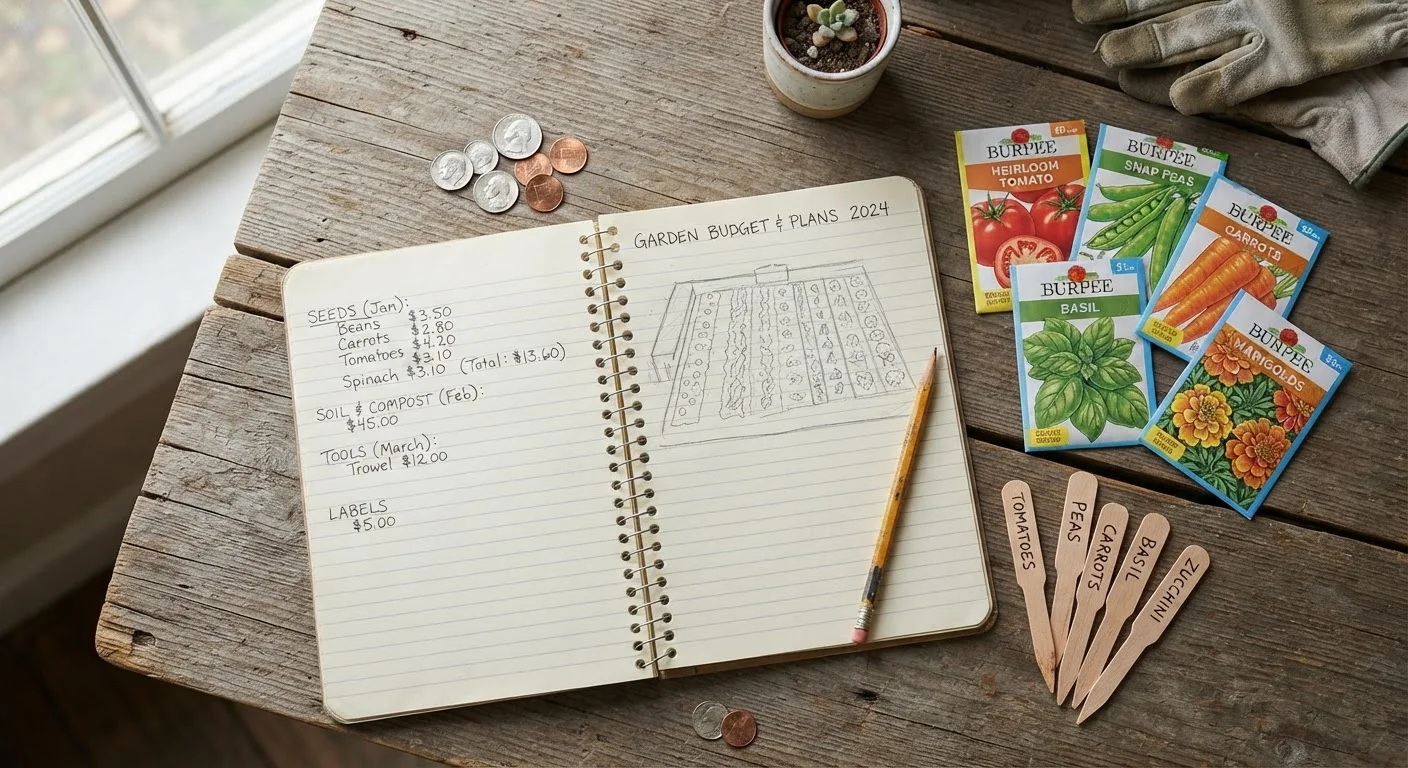
Photo: InsightsVault.com | Interesting Daily Reads editorial
Key Takeaways
- Most garden overspending comes from a handful of repeated habits, not one-off purchases.
- Seed saving, composting, and water management are typically the highest-return frugal swaps.
- Running this checklist once per season catches waste before it compounds across the year.
- Tool costs are often avoidable through sharing, borrowing, or buying secondhand.
- Organic and specialty products frequently cost more than equivalent results justify.
Why Garden Budgets Leak - and How an Audit Fixes That
Most gardeners who feel they overspend can't easily name exactly where the money went. A bag of specialty fertilizer here, a flat of impulse annuals there, a new tool for one task - individually each feels minor, but the cumulative total at season's end often surprises people. The good news: the leaks are predictable, and they repeat. That makes them fixable.
This checklist is structured around the six categories where garden spending most commonly drifts over budget: seeds and plants, soil inputs, water, tools, pest management, and seasonal planning. Working through it once per season - ideally at the start of spring, midsummer, fall closeout, and before any major seed or supply order - takes roughly 30 to 60 minutes and creates a clear picture of where adjustments will have the most impact.
For a broader look at how these habits fit into a complete frugal gardening approach, see the frugal gardening overview which covers soil building, seed saving, and water use from end to end. If you already run a monthly household spending audit, this garden-specific version works as a natural complement - you can read more about that process in a monthly spending audit you can do in under an hour.
Track Spending Before You Can Cut It
How to Use This Checklist
Before working through the items below, gather your records: receipts, bank or card statements filtered for garden-related purchases, and last season's notes if you keep a garden journal. The more complete your data, the more useful the audit. Items marked must are non-negotiable for an accurate picture; should items add meaningful detail; nice-to-have items are worth addressing when time allows.
You'll need the tools listed in the resources section - particularly a spending log and soil test results - to answer some questions with confidence rather than estimation. If you don't yet have a soil test, treat any amendment purchases as provisional until you do.
Spending log or simple spreadsheet
Record and categorize every garden purchase by season so patterns are visible at a glance.
Soil test kit
Verify actual nutrient deficiencies before purchasing any amendments, avoiding guesswork spending.
Water meter or utility bill history
Estimate irrigation costs by comparing peak and off-season water usage.
Seed storage containers
Enable proper seed saving so collected seeds remain viable until next planting season.
Tool sharpening file or whetstone
Restore edge tool performance to avoid premature replacement purchases.
Pay particular attention to the Seeds & Plants and Soil & Amendments groups - these two categories account for the majority of discretionary garden spending for most home gardeners, and they offer the most room for substitution. Seed saving alone can eliminate a meaningful portion of recurring costs; the seed saving fundamentals guide explains how to collect, dry, and store seeds reliably. Similarly, a home compost system addresses both the fertilizer and soil amendment lines simultaneously - see composting on any budget for a no-cost starting approach.
Seeds & Plants
Soil & Amendments
Water & Irrigation
Tools & Equipment
Pest & Disease Control
End-of-Season & Planning
Turning Audit Findings into Next Season's Savings
Once you've worked through the checklist, you should have a short list of specific spending categories where either the cost was high, the results were poor, or a lower-cost substitute clearly exists. Prioritize no more than three changes for the coming season - trying to overhaul everything at once tends to create new problems.
Common high-impact swaps identified through this process include: replacing purchased compost with a home system (see kitchen scrap composting), switching overhead irrigation to drip or soaker methods (water-wise irrigation habits), and rethinking tool ownership for infrequently used equipment (tool ownership vs. borrowing). On the pest side, companion planting offers a structural way to cut recurring product spending.
For spending habits that have quietly added up across multiple categories, expensive gardening habits that drain your budget offers a useful diagnostic alongside this checklist. The End-of-Season & Planning group in the checklist above is where your audit converts into concrete commitments - a written budget cap and two named swaps are enough structure to produce measurable results by the following season.
Avoid Cutting Costs on Soil Health
Check Local Rules Before Harvesting Rainwater
The content provided on our blog site traverses numerous categories, offering readers valuable and practical information. Readers can use the editorial team’s research and data to gain more insights into their topics of interest. However, they are requested not to treat the articles as conclusive. The website team cannot be held responsible for differences in data or inaccuracies found across other platforms. Please also note that the site might also miss out on various schemes and offers available that the readers may find more beneficial than the ones we cover.