
Expensive Gardening Habits That Quietly Drain Your Budget

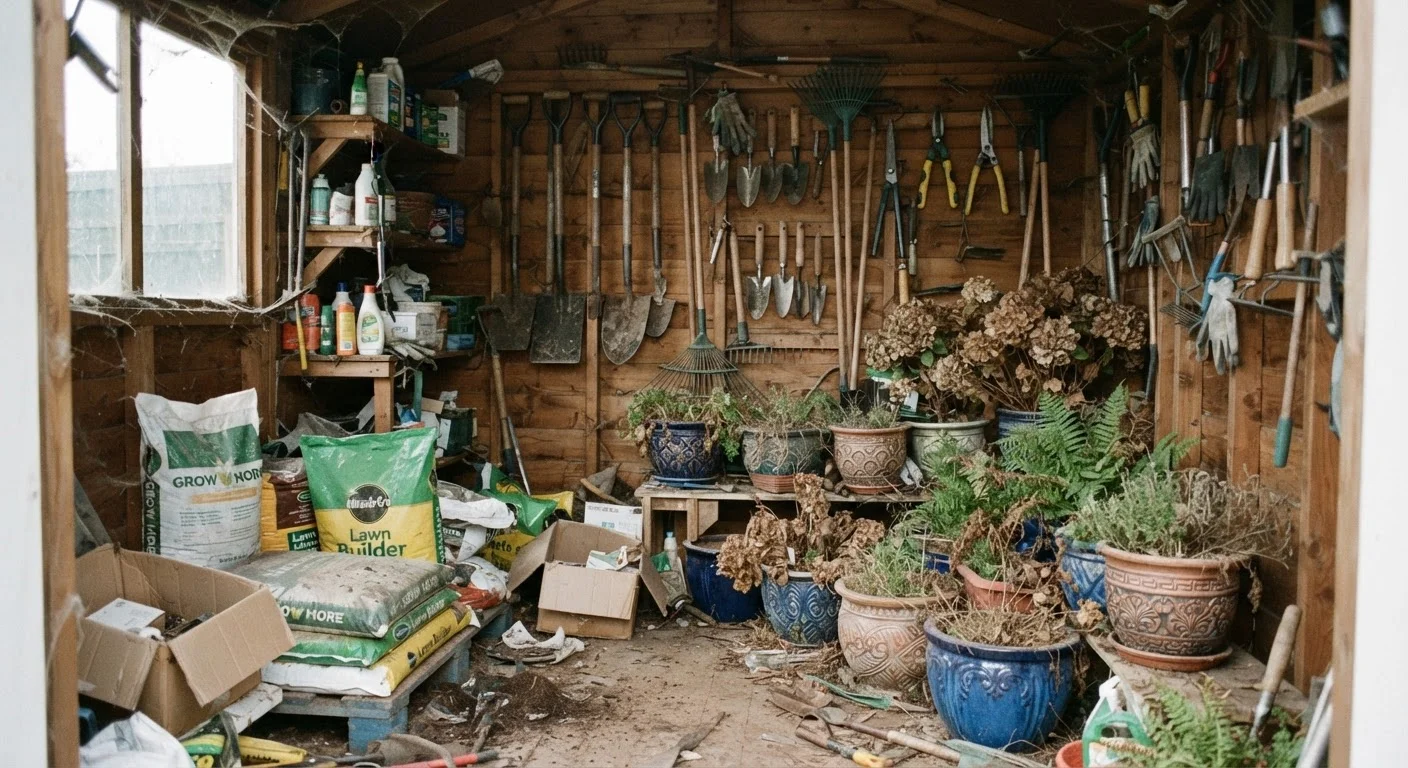
Photo: InsightsVault.com | Interesting Daily Reads editorial
Key Takeaways
- Buying annuals every season instead of growing from seed or dividing perennials is one of the costliest garden habits.
- Overwatering wastes both water and money - and often harms plants more than drought stress does.
- Duplicate tools and impulse plant purchases account for significant untracked garden spending.
- Bagged fertilizer applied without a soil test frequently treats problems that don't exist.
- Starting plants indoors too early leads to leggy seedlings and wasted supplies before the season even begins.
Why Everyday Gardening Habits Quietly Cost More Than They Should
Most gardeners don't overspend in one dramatic purchase. The money leaks out in small, repeated decisions - an extra flat of annuals here, an unneeded bag of fertilizer there, a new tool bought for a single seasonal job. Individually, none of it seems significant. Cumulatively, it adds up to a budget drain that often goes unexamined until the end of the season.
The habits outlined below are common across gardeners of all experience levels. They tend to persist not out of carelessness but because they feel reasonable in the moment. Understanding why each one costs more than necessary is the first step to spending more deliberately. For a broader framework, the complete frugal gardening overview covers the full landscape of where garden money goes.
$500+
Average annual US household garden spending
The National Gardening Association has reported that US households spend several hundred dollars annually on gardening, with many exceeding $500 when tools and soil amendments are included.
50%
Water wasted by inefficient outdoor irrigation
The US Environmental Protection Agency estimates that as much as 50% of water used for outdoor irrigation is wasted due to overwatering, evaporation, and poor scheduling.
$15-$25
Typical cost of a soil test
Many state cooperative extension services offer soil testing in this range - often preventing far costlier unnecessary fertilizer purchases.
The Mistakes Costing You the Most
These five patterns show up repeatedly when gardeners track their spending honestly. Each one has a practical fix that doesn't require sacrificing results - just adjusting the routine.
Buying bedding plants every single season instead of growing from seed or dividing existing plants.
Watering on a fixed schedule regardless of actual soil moisture or weather conditions.
Applying fertilizer without a soil test to determine what nutrients are actually lacking.
Accumulating duplicate or rarely used garden tools rather than borrowing or renting what's occasionally needed.
Starting seeds indoors too early, resulting in leggy, overcrowded seedlings that underperform at transplant time.
Soil Testing Before Fertilizing Saves Real Money
Once you've identified where your garden budget tends to slip, a seasonal spending audit checklist can help you build a structured review into your gardening rhythm so these habits don't quietly creep back. And if organic methods are part of your approach, separating genuinely useful organic practices from expensive trends is worth reading before your next purchase decision.
Impulse Buying at Garden Centers Adds Up Fast
The content provided on our blog site traverses numerous categories, offering readers valuable and practical information. Readers can use the editorial team’s research and data to gain more insights into their topics of interest. However, they are requested not to treat the articles as conclusive. The website team cannot be held responsible for differences in data or inaccuracies found across other platforms. Please also note that the site might also miss out on various schemes and offers available that the readers may find more beneficial than the ones we cover.