
Frugal Gardening: A Complete Overview of Growing More While Spending Less

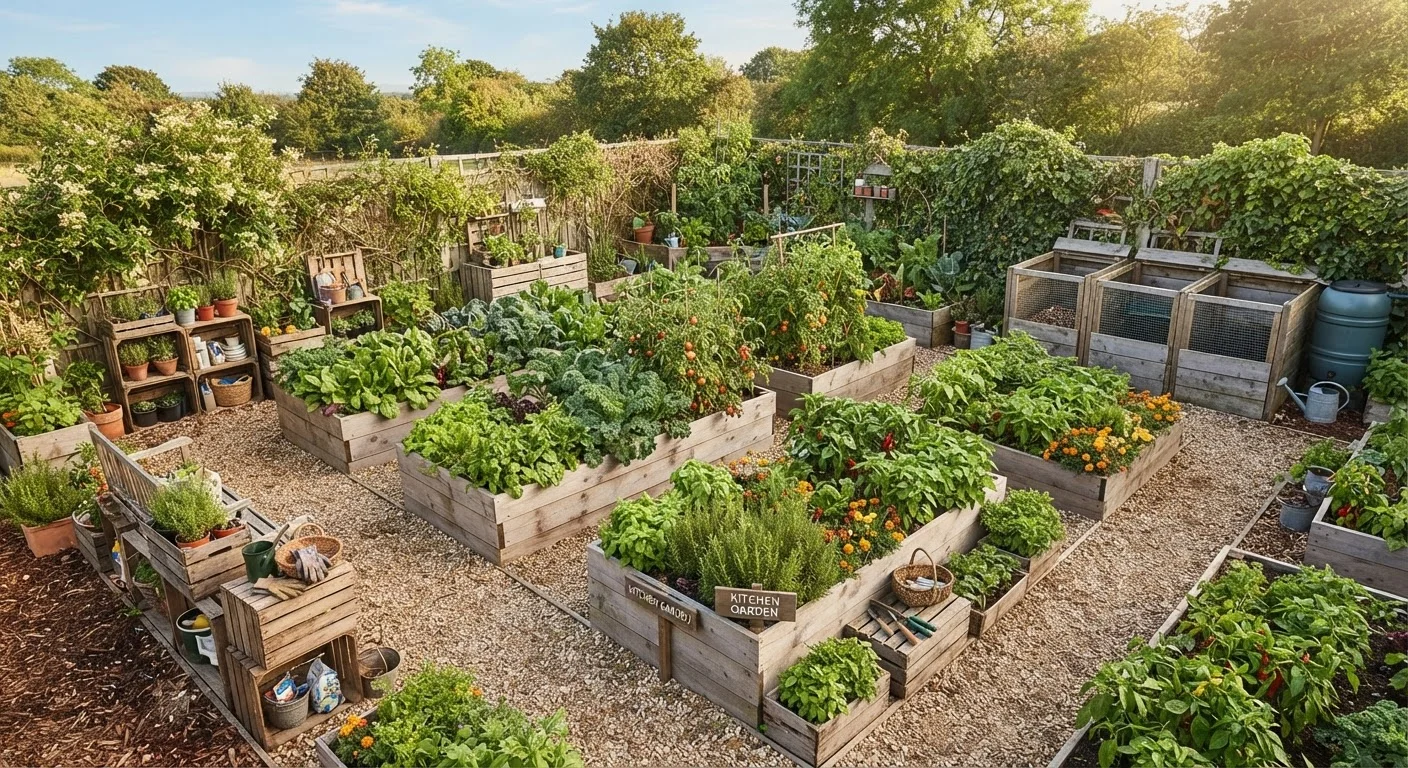
Photo: InsightsVault.com | Interesting Daily Reads editorial
Key Takeaways
- Compost made from kitchen and yard waste can replace much of your annual fertilizer spending.
- Seed saving from open-pollinated varieties can cut your seed bill to near zero after the first season.
- Drip irrigation and mulch together can reduce outdoor water use by 30-50% compared to overhead sprinklers.
- Secondhand tools are almost always sufficient - buy new only for cutting or safety-critical items.
- A simple seasonal spending audit often reveals where garden budgets quietly leak the most.
Why Frugal Gardening Works
Gardening has a reputation for being an expensive hobby. Seed catalogs, bags of amendment, irrigation parts, and specialty fertilizers add up fast - and that's before a single plant goes in the ground. But experienced gardeners know that most of that spending is optional. The underlying biology of plants is on your side: given good soil, appropriate water, and the right timing, most vegetables and flowers will perform without premium inputs.
The frugal gardening mindset isn't about deprivation. It's about directing effort and spending toward what actually drives results - healthy soil structure, well-timed watering, and choosing plants suited to your climate - while skipping products and habits that deliver marginal returns. This guide covers every major dimension of garden spending, from soil building and seed sourcing to tool strategy and water management, so you can make better decisions at each step. For a broader look at where everyday costs can shrink, see our complete practical guide to cutting everyday costs.
30-50%
Water savings from drip vs. overhead irrigation
Estimates from university extension programs suggest drip and soaker systems use substantially less water than sprinklers for the same plant output.
$0
Ongoing seed cost with open-pollinated varieties
Gardeners who save seeds from heirloom or open-pollinated varieties can replenish their seed supply each season at no cost after the initial purchase.
2-3 inches
Mulch depth for maximum moisture retention
Cooperative extension guidelines consistently recommend a 2-3 inch organic mulch layer to meaningfully reduce soil moisture evaporation between waterings.
Building Soil Without Spending Much
Soil is where the bulk of frugal gardening wins are made. Healthy soil - rich in organic matter, well-drained but moisture-retentive - reduces the need for purchased fertilizers, pesticides, and water. The single most cost-effective way to build it is composting.
A basic compost pile or bin costs nothing if you use scrap lumber or a wire cylinder. Feed it kitchen scraps (vegetable peels, coffee grounds, eggshells), dry leaves, and grass clippings. Within a few months you'll have a steady supply of amendment that can replace or significantly reduce bagged compost, which commonly runs $8-$15 per cubic foot at garden centers. Grass clippings left on the lawn also return nitrogen without any cost or effort.
For garden beds, a 2-3 inch layer of wood chip mulch - often available free from municipal programs or local arborists - suppresses weeds, retains moisture, and breaks down into organic matter over time. This one habit replaces several product categories: mulch bags, some herbicide use, and part of your watering frequency.
Free Wood Chips: Ask Before You Buy
If your soil is compacted or sandy, focus on adding organic matter consistently over one to two seasons rather than purchasing soil conditioners. Gradual improvement through compost is cheaper and more durable than single-season amendments.
Seeds, Starts, and Smart Propagation
Seeds are far cheaper than transplants - typically $2-$4 per packet versus $4-$7 per individual start - and starting from seed gives you access to a far wider range of varieties. Direct-sow crops like beans, squash, carrots, and radishes cost almost nothing per plant when started from seed.
Seed saving takes this further. Open-pollinated and heirloom varieties produce seeds that breed true, meaning you can harvest, dry, and store seeds from your best performers each season. Tomatoes, peppers, beans, and squash are among the easiest. After one initial purchase, your seed costs for those crops can approach zero in subsequent years.
When saving tomato seeds, ferment them in water for two to three days before rinsing and drying - this removes germination-inhibiting gel and improves germination rates.
Label and date every packet of saved seeds, and store them in a cool, dry, dark location - a sealed jar in the refrigerator extends viability significantly for most vegetable varieties.
Propagation from cuttings and division is equally effective for perennials, herbs, and ornamentals. Rosemary, mint, sage, and many flowering perennials root easily from cuttings placed in water or damp soil. Dividing clumps of hostas, ornamental grasses, or coneflowers every two to three years gives you free plants to fill new beds or share with neighbors. For a detailed look at separating worthwhile organic practices from costly trends, see organic gardening on a tight budget.
Water: Your Biggest Variable Cost
Outdoor water use is one of the easiest costs to trim - and one of the most commonly wasted. Overhead sprinklers lose significant moisture to evaporation, especially in warm climates. Watering at midday compounds the loss. And overwatering, beyond wasting water, actively harms most vegetables by promoting root disease.
Two changes offer the clearest returns. First, shift watering to early morning, when temperatures are low and soil can absorb moisture before evaporation peaks. Second, if your setup allows, run soaker hoses or simple drip lines at the root zone rather than overhead - this delivers water where plants use it and keeps foliage dry, which reduces disease pressure. Our in-depth article on water-wise irrigation habits covers scheduling and low-cost drip methods in detail.
Mulching (covered in the soil section above) also significantly reduces watering frequency. A 2-3 inch layer of organic mulch can cut soil moisture loss substantially, meaning you water less often even without changing your irrigation method.
Tools, Inputs, and Where to Cut
Most gardeners own more tools than they use. A sturdy trowel, a hand fork, a hoe, and a spade handle the majority of garden tasks. Add a watering can or hose, and you're fully equipped for most vegetable and ornamental gardens. Beyond that, extra tools tend to collect dust.
Buy secondhand wherever quality permits. Estate sales, resale shops, and online marketplaces regularly offer solid steel hand tools for a fraction of new prices - often in excellent condition, since quality tools last decades. Reserve new purchases for items where freshness matters: sharp blades (pruners, loppers) or anything with safety implications.
On inputs, skip specialty products with vague claims and focus on a few workhorses: compost, balanced slow-release granular fertilizer for heavy feeders, and a general-purpose insecticidal soap for serious pest outbreaks. Most other products are redundant if your soil and watering are dialed in. Spending audits reveal that impulse purchases at garden centers are among the most common sources of wasted garden budgets - the costly gardening habits article documents where money most often leaks.
Tracking What You Spend (and What You Grow)
The simplest way to improve garden economics over time is to track both sides: what you spend and what you harvest. A basic notebook or spreadsheet with seed and supply costs on one side and rough yield estimates on the other will quickly show which crops deliver real value and which absorb more money than they return.
Many gardeners find that a handful of crops - tomatoes, lettuce, herbs, and beans - deliver the strongest return on both cost and effort. Others, like sweet corn, require significant space and inputs relative to their grocery store price and may not justify the investment in a small garden. A seasonal review sharpens these decisions each year. Our seasonal garden spending audit checklist gives you a structured format for doing exactly this.
Frugal gardening isn't a one-season fix - it compounds. Better soil reduces input costs. Saved seeds reduce seed costs. Established perennial herbs and fruits produce for years at no additional cost. Each decision builds on the last, and after two or three seasons, a well-managed garden can provide substantial food and beauty for very little ongoing expenditure.
The content provided on our blog site traverses numerous categories, offering readers valuable and practical information. Readers can use the editorial team’s research and data to gain more insights into their topics of interest. However, they are requested not to treat the articles as conclusive. The website team cannot be held responsible for differences in data or inaccuracies found across other platforms. Please also note that the site might also miss out on various schemes and offers available that the readers may find more beneficial than the ones we cover.