
Water-Wise Gardening: Irrigation Habits That Cut Bills Without Sacrificing Growth

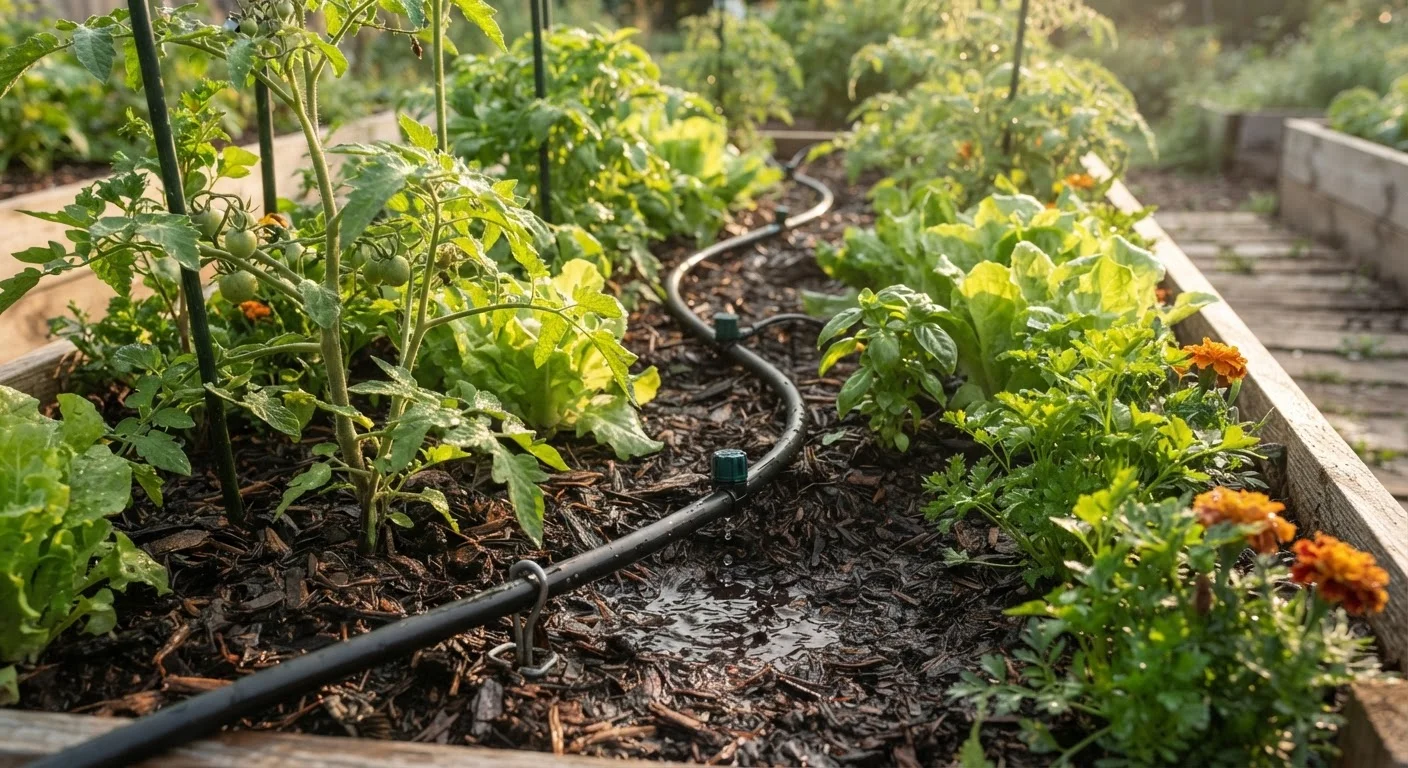
Photo: InsightsVault.com | Interesting Daily Reads editorial
Key Takeaways
- Watering at the root zone rather than from overhead can significantly reduce water loss to evaporation.
- Soil moisture checks - not fixed schedules - are the most reliable guide to when plants actually need water.
- Low-cost drip setups and mulching together can meaningfully reduce outdoor water use without hurting plant health.
- Early morning is the most efficient time to irrigate, reducing evaporation and fungal disease risk.
- Grouping plants by water needs (hydrozoning) prevents overwatering thirsty zones at the expense of drought-tolerant ones.
Why Your Watering Habits Are Likely Costing You More Than They Should
Outdoor water use accounts for a large share of household consumption in warmer months - and a substantial portion of that water is wasted through runoff, evaporation, or poorly timed irrigation. The good news is that the habits driving this waste are easy to identify and inexpensive to fix. You don't need a high-end smart controller to irrigate efficiently. You need a clear method and a willingness to read what your garden is actually telling you.
This article covers proven irrigation practices for everyday home gardeners - the kind that reduce water bills without stressing plants or sacrificing yields. For a broader look at where garden spending leaks, see where common gardening routines quietly drain your budget.
50%
Outdoor water use that is often wasted
The U.S. Environmental Protection Agency (EPA) estimates that as much as 50% of outdoor water use in the US is wasted due to evaporation, wind, and overwatering.
30-50%
Water savings from drip vs. sprinkler irrigation
Drip irrigation systems are generally cited by the EPA and extension services as reducing water use by 30-50% compared to conventional sprinkler systems for comparable plantings.
Core Irrigation Practices That Reduce Waste
The following practices are grounded in established horticultural guidance and basic water-conservation principles. Applying even a few of them consistently tends to produce noticeable reductions in water use.
Water deeply and infrequently rather than lightly and often.
Check soil moisture before irrigating, every time.
Irrigate in the early morning, not in the afternoon or evening.
Switch to drip irrigation or soaker hoses for beds and borders.
Group plants by water needs (a practice called hydrozoning).
Adjust irrigation seasonally, not once at the start of summer.
Quick Wins You Can Act On This Week
You don't need to overhaul your whole garden to start saving water. These immediately actionable steps deliver real impact with minimal effort or cost.
Going Further: Free Water and Smarter Systems
Once you've locked in the core habits above, two additional strategies can stretch your water budget even further. First, mulching: a 2-3 inch layer of organic mulch (straw, wood chips, shredded leaves) over bare soil dramatically slows evaporation between watering sessions. It also suppresses weeds that compete for moisture. This is one of the highest-effort-to-reward ratios available in the garden.
Second, consider capturing rainfall before it runs off your property. Even a modest rain barrel setup can offset a meaningful share of summer irrigation needs. Local regulations vary, so it's worth checking before you install anything - our rainwater harvesting overview for home gardens walks through setup considerations and what to verify in your area.
For those tracking overall garden spending, the seasonal garden spending checklist is a practical companion - it helps you see exactly where your garden budget goes and where easy swaps exist. Water-wise irrigation is also a core pillar of frugal gardening overall, which covers everything from soil building to seed saving.
Water Restrictions and Local Rules
The content provided on our blog site traverses numerous categories, offering readers valuable and practical information. Readers can use the editorial team’s research and data to gain more insights into their topics of interest. However, they are requested not to treat the articles as conclusive. The website team cannot be held responsible for differences in data or inaccuracies found across other platforms. Please also note that the site might also miss out on various schemes and offers available that the readers may find more beneficial than the ones we cover.