
Garden Tool Ownership vs. Borrowing or Renting: A Practical Cost Breakdown

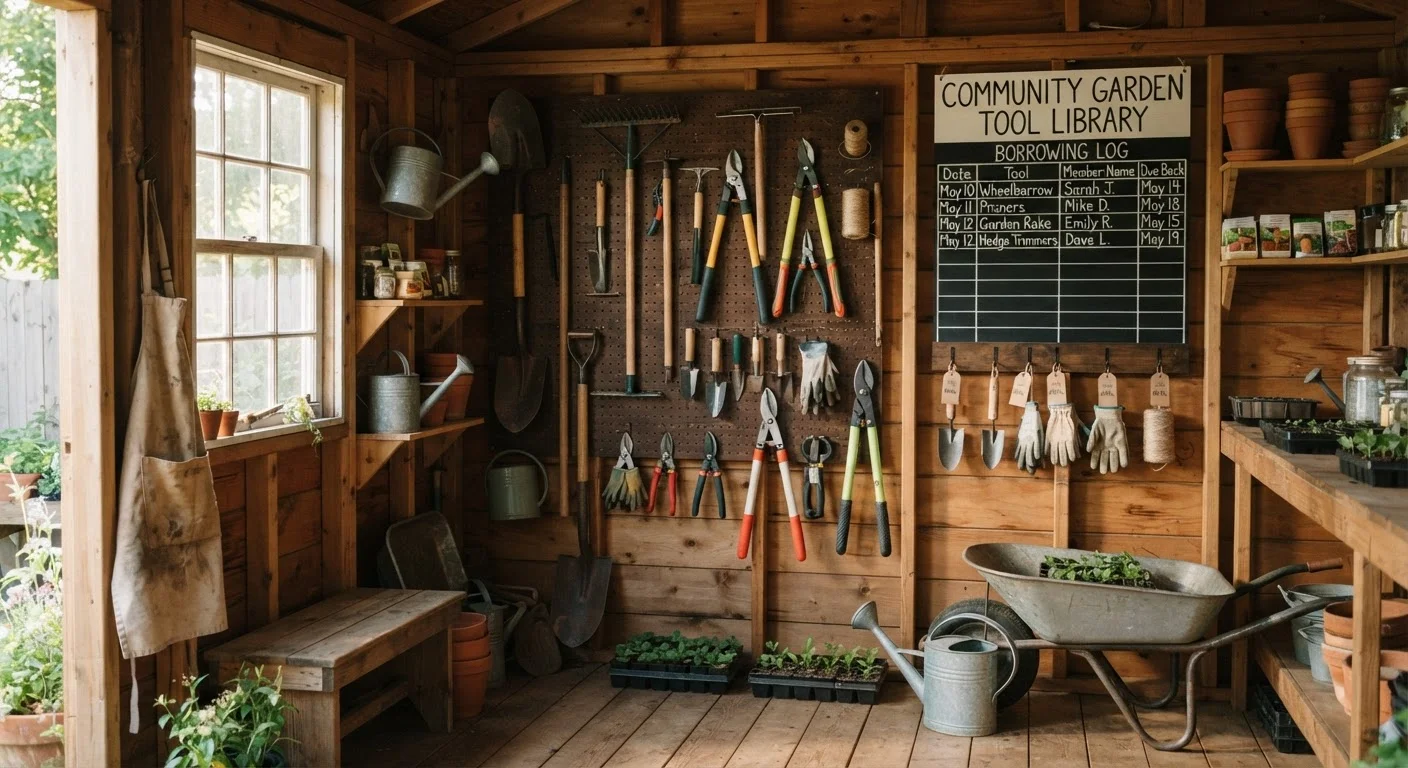
Photo: InsightsVault.com | Interesting Daily Reads editorial
Key Takeaways
- Frequently used basic tools are almost always cheaper to own than to rent over time.
- Specialty or seasonal power tools often cost less to rent than to buy, store, and maintain.
- Borrowing from neighbors or tool libraries can eliminate cost entirely for occasional tasks.
- Storage, maintenance, and depreciation are hidden costs of ownership worth calculating upfront.
- The right strategy depends on how often you use a tool, not just its purchase price.
Why the Tool Question Is Really a Cost-Per-Use Question
Before buying any garden tool, the most useful question isn't "How much does it cost?" - it's "How many times will I actually use it?" A $40 trowel used every weekend from April through October costs you pennies per use. A $300 electric tiller you drag out once a year is a much worse deal, especially after you factor in storage space and the occasional maintenance cost.
This framework - cost per use - is the backbone of smart tool decisions. It also explains why the right answer isn't universally "own everything" or "never buy anything." As part of a broader effort to reduce unnecessary garden spending (see our complete frugal gardening guide), tool strategy deserves a clear-eyed look.
The Real Cost of Ownership
Ownership costs extend beyond the sticker price. For manual hand tools - trowels, hoes, pruners, rakes - the equation typically favors buying. A quality hand trowel might run $15-$25 and last a decade with basic care. Over ten years, that's under $3 per year.
Power tools tell a different story. A gas-powered chipper-shredder can cost $400-$700. Add yearly maintenance (oil, spark plugs, blade sharpening), occasional repairs, and the square footage it occupies in your garage, and the true annual cost climbs well above the purchase price divided by years owned.
| Ownership | Renting | Borrowing | |
|---|---|---|---|
| Upfront cost | High | Low (per use) | None |
| Best for use frequency | Weekly / throughout season | 1-3 times per year | Once or twice total |
| Storage required | Yes - significant for power tools | No | No |
| Maintenance responsibility | Owner's responsibility | Rental company's responsibility | Borrower must return in good condition |
| Long-term cost | Lowest if used often | Adds up with frequent use | Lowest overall if available |
| Availability / convenience | Always on hand | Requires planning ahead | Depends on community resources |
Storage is a real but often ignored cost. Tools exposed to moisture rust and degrade faster, shortening their useful life and requiring replacement sooner. If you don't have a dry shed or garage, ownership of large equipment comes with added risk. For a broader review of where garden budgets tend to leak, our guide to expensive gardening habits covers this pattern in detail.
When Renting Makes More Financial Sense
Rental yards and home improvement stores typically rent garden equipment by the day or half-day. Common rental rates for a rear-tine tiller run roughly $60-$90 per day; a stump grinder can be $150-$200. If you only need the tool once or twice a season, rental cost is a fraction of what you'd spend buying, maintaining, and storing the same equipment.
Renting is particularly practical for:
- Soil preparation in spring - a one-day tiller rental handles a large bed before planting season
- One-time projects - stump removal, aerating a lawn, or post-hole digging
- Testing before buying - renting lets you evaluate whether a tool type actually fits your workflow before committing
Do the Break-Even Math Before You Buy
The break-even point is worth calculating: if renting costs $75 per use and ownership would cost $300 plus $30/year in maintenance, you'd need to use the tool four or more times before ownership becomes cheaper - assuming no repairs and proper storage.
Borrowing: The Zero-Cost Option Worth Taking Seriously
Borrowing from neighbors or a community tool library has an obvious financial appeal: the cost is zero. Tool libraries - often run by public libraries, community gardens, or nonprofits - have expanded in many US cities and offer everything from hand tools to lawn aerators for free or a small membership fee.
The practical constraints are real, though. Availability isn't guaranteed, especially during peak gardening season. You're responsible for returning tools in good condition, and coordinating with neighbors can be inconvenient if your schedule is unpredictable. That said, for occasional-use tools - a mattock for a one-time bed conversion, a bulb planter for fall planting - borrowing is hard to beat financially.
If your circle of gardening neighbors is strong, an informal tool-sharing arrangement can also provide access to a wider variety of tools than any single household could justify owning. This is a natural extension of the seasonal budget thinking covered in our seasonal garden spending audit.
Building a Practical Ownership Strategy
A hybrid approach works best for most gardeners. Own a core set of hand tools you'll use repeatedly; rent or borrow large or specialized equipment as needed. Here's a practical way to sort your tool inventory:
- Own unconditionally: Trowel, hand fork, pruners, watering wand, hoe, rake, spade. These are used constantly and are inexpensive.
- Rent or borrow: Tiller, aerator, chipper-shredder, post-hole digger, stump grinder. High purchase cost, low use frequency.
- Evaluate by your situation: Lawn mower, wheelbarrow, garden hose - depends on garden size, frequency of use, and storage capacity.
If you're also tackling home repairs beyond the garden, understanding tool value applies there too - our guide to essential hand tools for DIY homeowners applies the same thinking to household repairs. The core principle doesn't change: use frequency and true total cost determine whether a tool earns its place in your shed.
The content provided on our blog site traverses numerous categories, offering readers valuable and practical information. Readers can use the editorial team’s research and data to gain more insights into their topics of interest. However, they are requested not to treat the articles as conclusive. The website team cannot be held responsible for differences in data or inaccuracies found across other platforms. Please also note that the site might also miss out on various schemes and offers available that the readers may find more beneficial than the ones we cover.