
Companion Planting: Using Plant Relationships to Reduce Pest Control Spending

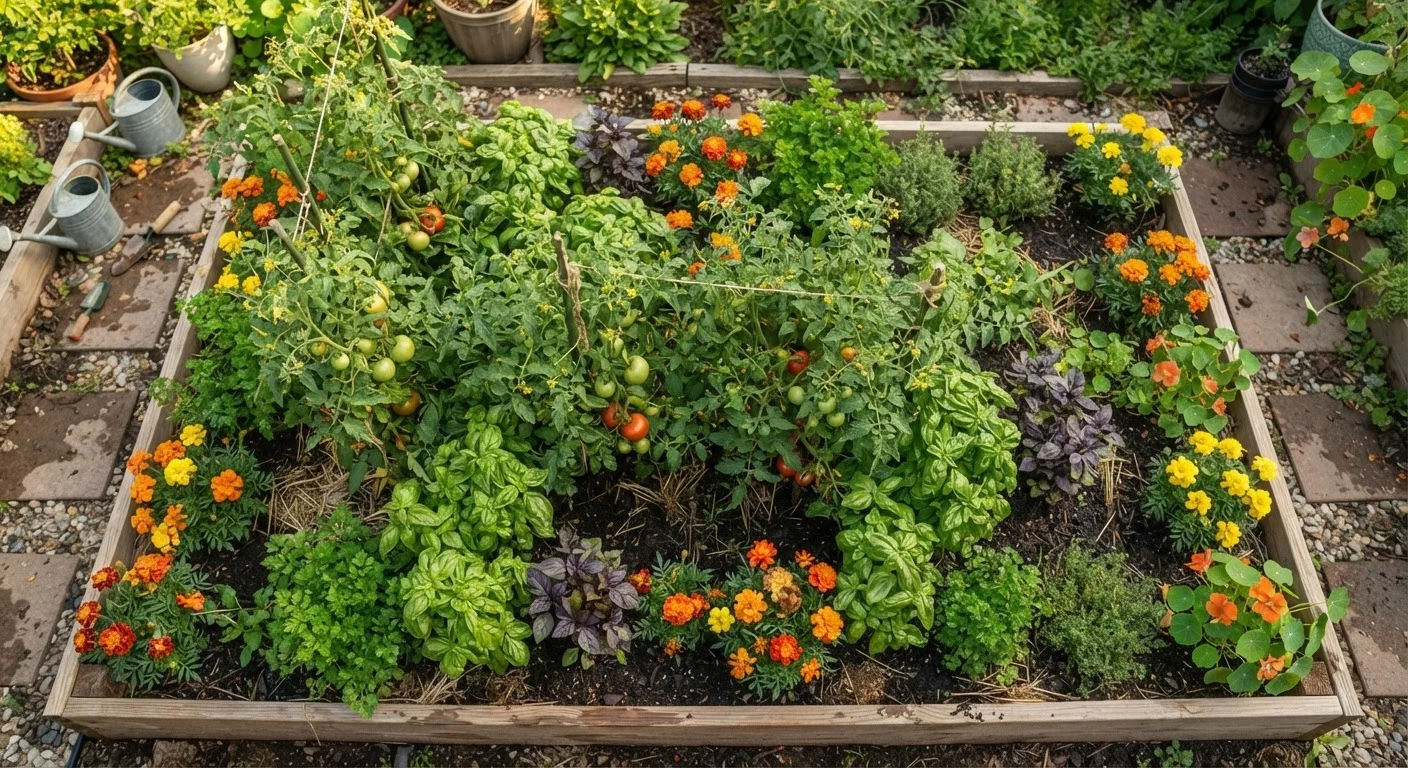
Photo: InsightsVault.com | Interesting Daily Reads editorial
Key Takeaways
- Several companion planting pairs have meaningful scientific support for pest deterrence and yield improvement.
- Eliminating or reducing pesticide purchases is a realistic cost benefit for gardeners who plan pairings intentionally.
- Not every traditional pairing is well-researched - prioritize evidence-backed combinations for reliable results.
- Companion planting works best as part of a broader integrated pest management approach, not a standalone fix.
- Starting with a few proven pairs costs little beyond the seed or transplant price.
Why Companion Planting Is Worth Your Attention as a Budget Gardener
Pesticide products - even basic ones - add up over a season. A single bottle of insecticidal soap, neem oil, or synthetic spray can cost $10-$20, and repeat applications are the norm once pest pressure builds. Companion planting offers an alternative that costs mainly in planning time and, at most, a packet of seeds.
The financial logic is straightforward: diverse plantings that naturally suppress pests reduce how often you need to intervene with purchased products. Combined with better pollinator attraction and occasionally improved soil health, the return on a few strategically placed plants can be substantial relative to their cost. This fits squarely within the mindset of growing more while spending less.
$10-$20
Typical cost per pesticide product per season
Common retail prices for insecticidal soap, neem oil, and similar garden pest sprays sold in US garden centers.
~$1-$3
Cost of a companion plant seed packet
Standard retail price for marigold, nasturtium, or dill seed in US garden and hardware stores - often enough to plant an entire bed border.
Up to 99%
Nematode reduction with marigold interplanting
University of Florida IFAS research on French marigolds (Tagetes patula) found significant root-knot nematode suppression when used as a cover crop or interplant before or alongside susceptible vegetables.
Evidence-Backed Combinations Worth Trying
Not all companion planting advice is equally reliable. Here are pairings with meaningful research or strong practitioner evidence behind them:
- Marigolds (Tagetes spp.) with tomatoes or peppers: French marigolds produce root exudates that suppress root-knot nematodes in the soil. Their scent also appears to deter whiteflies. This is one of the most consistently supported companion relationships in horticultural research.
- Basil near tomatoes: Widely practiced and plausible - basil emits VOCs that may confuse or repel thrips and aphids. Evidence is mixed in controlled studies, but the cost of a basil transplant is minimal and the herb is useful regardless.
- Nasturtiums as trap crops: Aphids preferentially colonize nasturtiums over nearby vegetables. Plant them at the garden edge; check and remove infested growth regularly. This diverts pest pressure at near-zero cost from seed.
- Dill, fennel, or yarrow to attract beneficials: These flowering plants draw parasitic wasps and predatory insects that feed on caterpillars, aphids, and whiteflies. Supporting a beneficial insect population reduces the pressure on your crops passively.
- The Three Sisters (corn, beans, squash): A well-documented Indigenous planting system in which beans fix nitrogen for corn, squash leaves shade out weeds and retain moisture, and corn provides a trellis. Pest reduction is secondary here, but the space and resource efficiency are substantial.
What the Evidence Doesn't Strongly Support
Honest gardening advice requires separating effective practices from popular folklore. Several traditional companion planting claims lack strong empirical backing:
- Garlic repelling aphids when planted near roses - the VOC dispersal from garlic bulbs is limited at typical garden spacing, and controlled studies show inconsistent results.
- Planting mint to deter all insects - mint can discourage some pests but attracts others. It also spreads aggressively and can outcompete nearby crops if not contained in a pot.
- Chamomile improving the flavor of neighboring vegetables - widely repeated but with no robust scientific support.
This doesn't mean you shouldn't experiment with these - it means you shouldn't rely on them as your primary pest strategy. For a fuller look at which organic-leaning practices deliver real returns, see separating useful organic practices from expensive trends.
Start Small, Then Scale What Works
Planning Companion Planting Into Your Garden Layout
Companion planting works best when it's designed in, not retrofitted. A few practical steps to integrate it without extra cost:
- Map your existing beds before the season and identify which crops are most pest-prone based on your prior experience.
- Add companion seed to your regular seed order - marigolds, nasturtiums, and dill are inexpensive and often available in bulk. The incremental cost is typically under $3 per packet.
- Interplant rather than border-plant - companions placed within the same bed, interspersed among crop plants, are generally more effective than those planted only along the perimeter.
- Track what works - note pest pressure levels season over season. A simple log helps you identify which pairings are paying off in your specific conditions.
Including companion plant costs in your seasonal review helps you see the actual trade-off against pesticide spending. A seasonal garden spending audit is a useful tool for exactly this kind of comparison.
Frequently Asked Questions
The content provided on our blog site traverses numerous categories, offering readers valuable and practical information. Readers can use the editorial team’s research and data to gain more insights into their topics of interest. However, they are requested not to treat the articles as conclusive. The website team cannot be held responsible for differences in data or inaccuracies found across other platforms. Please also note that the site might also miss out on various schemes and offers available that the readers may find more beneficial than the ones we cover.