
How Meal Planning Actually Reduces Grocery Bills (and Food Waste)

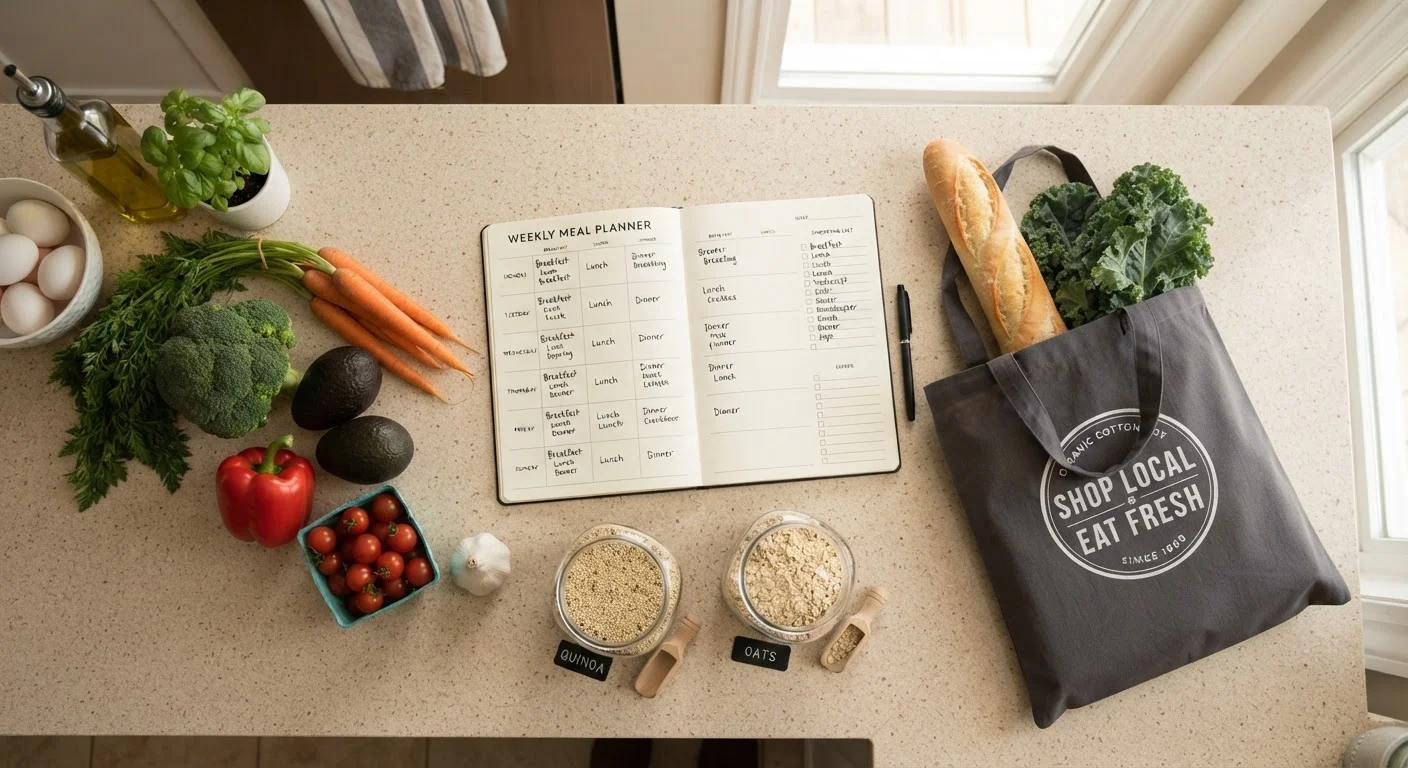
Photo: InsightsVault.com | Interesting Daily Reads editorial
Key Takeaways
- Meal planning reduces impulse purchases, the leading driver of grocery overspending.
- Planning meals around a shopping list can cut household food waste significantly.
- Intentional weekly menus make it easier to meet nutritional needs on a consistent basis.
- Batch cooking and ingredient overlap between meals multiply savings without extra effort.
- A weekly planning habit takes roughly 30-60 minutes to set up and gets faster with practice.
Why Unplanned Shopping Costs More Than You Think
Most grocery overspending isn't caused by big one-time purchases - it comes from small, repeated decisions made without a plan. Buying ingredients with no specific meal in mind, doubling up on pantry staples you already have, and letting produce spoil because it never made it into a recipe are all symptoms of the same underlying problem: shopping without a strategy.
Research from the USDA has consistently found that American households waste a substantial share of the food they purchase. Much of that waste is preventable, and meal planning is one of the most direct interventions. When you know exactly what you're cooking and when, you buy only what you need - and you actually use it.
If any of these patterns sound familiar, common grocery habits that quietly drain budgets is worth reviewing alongside this guide. The two problems - unplanned spending and unplanned shopping - compound each other.
Start with Dinners, Then Work Backward
What You'll Need Before You Start
Meal planning doesn't require apps or elaborate systems. The essentials are straightforward.
What you will need
Weekly meal planning template
Provides a structured grid to map out seven days of breakfasts, lunches, and dinners at a glance.
Running pantry inventory list
Tracks what staples you already have so you avoid buying duplicates.
Dedicated grocery list (separate from the plan)
Captures exactly what needs to be purchased, organized by store section to reduce shopping time.
Reusable storage containers
Enables batch cooking by safely storing prepped ingredients or finished meals for use later in the week.
How to Build a Weekly Meal Plan Step by Step
Follow these steps each week. The first run-through takes the longest; most people find the process takes half the time after two or three weeks of practice.
Audit your pantry and fridge before planning
Before writing a single meal idea, check what you already have. Note proteins, grains, canned goods, and produce nearing the end of their life. These items should anchor your first few meals for the week - using them up first is the fastest way to reduce food waste and avoid redundant purchases.
Choose a realistic number of home-cooked meals
Don't plan seven elaborate dinners if your schedule typically allows for three. Be honest about weeknight time constraints, work schedules, and social commitments. Plan for the week you're actually going to have, not an idealized one. Overplanning leads to unused ingredients and the same waste problem you're trying to solve.
Select meals with overlapping ingredients
This is where meal planning generates the most savings. Choose recipes that share core ingredients - for example, a bunch of kale that goes into a grain bowl on Tuesday and a soup on Thursday, or a rotisserie chicken that covers two different dinners and a lunch. Ingredient overlap reduces the number of items you need to buy and minimizes partial-use waste (the half-can of coconut milk that gets forgotten).
Write a precise, organized grocery list
Translate your meal plan into a shopping list, cross-referencing your pantry inventory so you don't duplicate what you have. Group items by store section (produce, proteins, dairy, dry goods) to speed up your trip and reduce the temptation of browsing aisles you don't need. A specific list is the primary barrier between you and impulse purchases.
Do a short batch-prep session after shopping
Spending 20-30 minutes after your grocery run washing and chopping vegetables, cooking a batch of grains, or portioning proteins makes it significantly easier to execute your plan during the week. When ingredients are prepped and visible in the fridge, you're far more likely to use them before they spoil. This step is optional but strongly reinforces the waste-reduction benefits of the plan.
Review and adjust the following week
At the end of the week, note what worked and what didn't. Which meals went unused? Which ingredients got wasted anyway? Use that information to refine next week's plan. Over several weeks, you'll develop a reliable rotation of meals matched to your actual schedule, tastes, and budget - and the planning process will become much faster.
Once you have this rhythm down, consider pairing it with a pre-shop checklist for smarter nutrition spending to close any remaining gaps before checkout.
Nutritional Benefits of Eating More Intentionally
The financial case for meal planning is strong, but the nutritional case is equally compelling. When meals are planned in advance, it becomes much easier to ensure variety across food groups, limit reliance on processed convenience foods, and build in vegetables, legumes, and whole grains that tend to disappear from unplanned diets.
Planning also reduces the "what's for dinner" decision fatigue that often ends in takeout or ultra-processed fallbacks - choices that are both more expensive and typically lower in nutritional value. Over a full week, a planned diet tends to include more fiber, more micronutrient diversity, and fewer excess calories from discretionary snacking.
This is general nutrition education, not medical advice. For personalized dietary guidance, particularly if you're managing a health condition, consult a registered dietitian or your healthcare provider.
For a broader framework that connects planning, shopping, and cooking into a complete system, see our end-to-end guide to affordable nutrition.
Don't Over-Plan for Special Dietary Needs
Stretching the Strategy Further
Meal planning compounds in value when combined with complementary strategies. Buying produce that's currently in season is one of the highest-return adjustments you can make - in-season vegetables and fruit cost less, taste better, and are easier to build appealing meals around. Seasonal eating as a budget strategy explains how to build a meal plan around what's cheapest and freshest near you.
Curious how much the difference actually is versus shopping without a plan? Meal planning vs. winging it: what the numbers actually show provides a clear-eyed comparison of both approaches. Both resources are part of the broader Cutting Daily Costs hub, which covers practical strategies for reducing everyday expenses without sacrificing quality.
This article is for general informational and educational purposes only and does not constitute medical, nutritional, or financial advice. Consult a qualified professional for guidance specific to your circumstances.
The content provided on our blog site traverses numerous categories, offering readers valuable and practical information. Readers can use the editorial team’s research and data to gain more insights into their topics of interest. However, they are requested not to treat the articles as conclusive. The website team cannot be held responsible for differences in data or inaccuracies found across other platforms. Please also note that the site might also miss out on various schemes and offers available that the readers may find more beneficial than the ones we cover.