
Meal Planning vs. Winging It: What the Numbers Actually Show

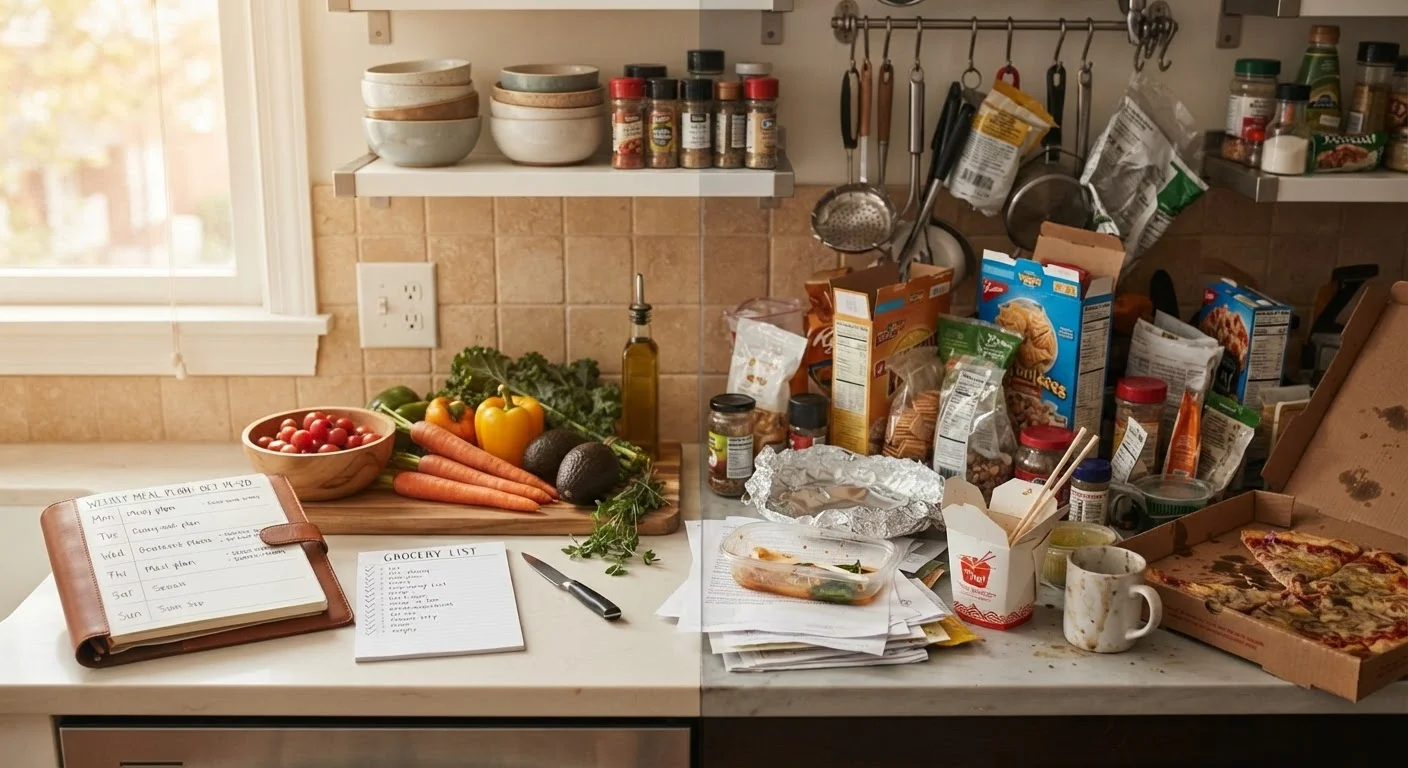
Photo: InsightsVault.com | Interesting Daily Reads editorial
Key Takeaways
- Meal planners typically spend less per week on groceries by reducing impulse purchases and food waste.
- Unplanned eating leads to more frequent restaurant and delivery spending, which compounds quickly over months.
- A hybrid approach - loose weekly planning without rigid daily menus - captures most of the savings with less effort.
- Food waste accounts for a meaningful share of most American household food budgets, and planning directly addresses it.
- Small, consistent changes to how you shop and plan can translate into hundreds of dollars saved annually.
The Real Cost Gap Between the Two Approaches
The debate between meal planning and winging it isn't just philosophical - it has measurable financial consequences. Research from the USDA and various consumer studies consistently shows that American households waste between 30 and 40 percent of the food they purchase. Much of that waste is driven by unplanned shopping: buying ingredients without clear meals in mind, letting perishables expire, and defaulting to restaurants when motivation runs low.
When you wing it, grocery trips become reactive. You grab what looks good or seems useful, often duplicating items already at home or buying in quantities too large to use before spoilage. Add frequent takeout and delivery - a common fallback on unplanned evenings - and the weekly food spend climbs fast. The average American household spends significantly more on food away from home when no weekly plan exists.
Meal planners, by contrast, shop with intent. Each item on the list maps to a specific use, which keeps cart totals lower and reduces spoilage. How meal planning reduces grocery bills and food waste walks through the mechanics of this in detail, but the short version is straightforward: purpose-driven shopping is cheaper than improvised shopping.
| Criterion | Meal Planning | Winging It |
|---|---|---|
| Weekly grocery spend | Lower; purpose-driven purchases | Higher; reactive and often duplicative |
| Food waste | Reduced; ingredients tied to specific meals | Higher; perishables frequently unused |
| Restaurant/delivery reliance | Lower; meals already decided and prepped | Higher; common fallback on unplanned nights |
| Upfront time required | 30-60 minutes weekly for planning and list | None upfront; decisions made daily |
| Flexibility | Lower with rigid plans; moderate with loose ones | High; adapts to any schedule or craving |
| Nutritional consistency | Generally better; meals chosen deliberately | Variable; convenience options dominate |
| Annual savings potential | Meaningful; hundreds of dollars for most households | Minimal; leaks accumulate over months |
Where Winging It Quietly Drains the Budget
The hidden cost of unstructured eating isn't usually one dramatic purchase - it's the accumulation of small leaks. A lunch out because there was nothing prepped. A delivery order on Wednesday because dinner required a missing ingredient. A bag of salad greens thrown away because there was no plan to use them. Individually, none of these feels significant. Annually, they add up to a meaningful drain on household finances.
Grocery spending habits that quietly drain budgets covers many of the patterns that make unplanned shopping expensive - from shopping hungry to buying pre-prepped produce at a premium. These behaviors cluster naturally around an unstructured approach to meals.
30-40%
Share of purchased food wasted by U.S. households
According to USDA estimates, food loss at the consumer level represents one of the largest components of household food budgets going unused.
$1,500+
Estimated annual food waste cost per household
The American Chemistry Council and food policy researchers have estimated the average U.S. family discards over a thousand dollars in food per year.
~50%
Share of U.S. food dollars spent away from home
USDA Economic Research Service data shows that food-away-from-home spending has grown to represent roughly half of total U.S. food expenditures.
It's also worth noting that winging it often means missing opportunities to buy strategically. Seasonal produce, bulk staples, and store markdowns all reward shoppers who know what they need. Without a plan, those opportunities go unused or create new waste when overestimated.
When Meal Planning Works - and When It Doesn't
Meal planning delivers the most savings when household schedules are reasonably predictable. A family that eats at home five nights a week and packs lunches will see a direct return on even a basic weekly plan. The structure prevents the reactive spending that winging it invites.
But rigid, over-engineered plans can backfire. Planning seven dinners when your household realistically eats out twice a week means buying ingredients you won't use - recreating the waste problem you were trying to solve. The most effective approach is honest planning: build a flexible weekly outline around your actual schedule, not an idealized version of it.
Pairing meal planning with intentional ingredient choices amplifies the savings further. Building meals around seasonal produce is one practical way to reduce costs while keeping meals varied. Before each shop, a quick pantry check - similar to the approach in this pre-shop checklist - prevents buying duplicates and keeps the list purposeful.
For a broader framework on managing food spending as part of your overall budget, budgeting basics offers foundational tools that apply directly to grocery and meal decisions. The core principle is consistent: small, repeatable habits create durable savings over time.
You Don't Have to Choose Extremes
The content provided on our blog site traverses numerous categories, offering readers valuable and practical information. Readers can use the editorial team’s research and data to gain more insights into their topics of interest. However, they are requested not to treat the articles as conclusive. The website team cannot be held responsible for differences in data or inaccuracies found across other platforms. Please also note that the site might also miss out on various schemes and offers available that the readers may find more beneficial than the ones we cover.