
The Hidden Cost of Eating Cheap: When Low-Price Food Choices Backfire Nutritionally

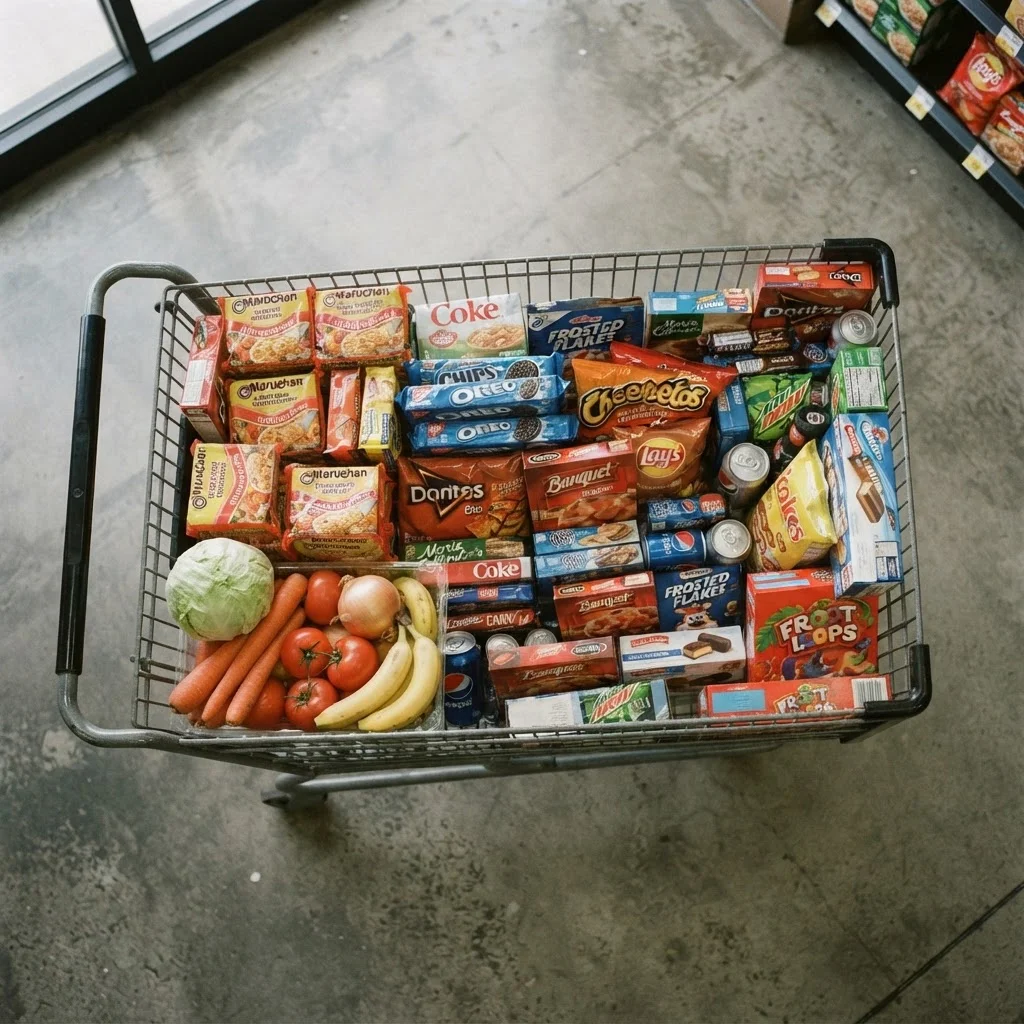
Photo: InsightsVault.com | Interesting Daily Reads editorial
Key Takeaways
- Optimizing purely for sticker price can erode nutritional quality in ways that compound over time.
- Several common budget shortcuts - like skipping protein or relying on refined carbs - have real dietary trade-offs.
- Many genuinely nutritious foods cost very little; the key is knowing which cheap options deliver and which don't.
- Comparing foods by cost-per-nutrient, not cost-per-package, reveals better deals most shoppers miss.
- Small habit adjustments - not major spending increases - are usually enough to correct the most common nutrition gaps.
Where Budget Eating Goes Wrong
Eating on a tight budget is a skill, not a compromise - but some of the shortcuts people reach for most often quietly undermine the nutritional quality of their diet without delivering proportionate savings. Understanding where those shortcuts backfire is the first step to avoiding them.
The errors below aren't moral failures or signs of poor planning. They're rational responses to confusing price signals and widespread misconceptions about which foods are nutritious. Building a solid nutritional foundation on a budget starts with knowing which trade-offs are real and which are overblown.
Treating refined carbohydrates as the default budget staple.
Skipping protein because meat appears expensive.
Relying heavily on caloric beverages to feel full.
Ignoring frozen and canned produce in favor of fresh at full price.
Measuring food value by package size or calorie count alone.
Skipping breakfast or key meals to cut costs, then overcompensating later.
This article is for general informational and educational purposes only. It is not medical or dietary advice. Consult a qualified healthcare professional or registered dietitian for guidance specific to your health situation.
Smarter Habits That Cost the Same or Less
Correcting these mistakes rarely requires spending more at the grocery store - it requires spending differently. A cart built around dried legumes, frozen vegetables, eggs, oats, and canned fish can be both highly affordable and nutritionally complete for most healthy adults. Nutrient-dense foods at low cost are more accessible than most shoppers assume.
57%
of US caloric intake from ultra-processed foods
A study published in BMJ Open estimated that ultra-processed foods account for roughly 57% of daily caloric intake in the average American diet.
3-4x
Cost difference: soda vs. tap water per serving
Caloric beverages like soda and juice drinks often cost several times more per serving than tap water while adding sugar with negligible nutritional benefit.
$0.10-$0.15
Approximate cost per serving of dried lentils
Dried lentils consistently rank among the most affordable protein and fiber sources per serving in US supermarkets, according to USDA food cost data.
Reading labels helps too. Decoding nutrition labels lets you compare foods by what they actually contain rather than how they're marketed or priced. For a broader view of how grocery habits affect both nutrition and overall spending, see common grocery spending habits that drain budgets.
Ultra-Processed Foods and Long-Term Health Risk
Eating well on a budget isn't about perfection - it's about avoiding the patterns most likely to cost you nutritionally without delivering meaningful financial savings. That's a more achievable goal than it might sound.
The content provided on our blog site traverses numerous categories, offering readers valuable and practical information. Readers can use the editorial team’s research and data to gain more insights into their topics of interest. However, they are requested not to treat the articles as conclusive. The website team cannot be held responsible for differences in data or inaccuracies found across other platforms. Please also note that the site might also miss out on various schemes and offers available that the readers may find more beneficial than the ones we cover.