
Free Fitness Resources That Are Actually Worth Your Time

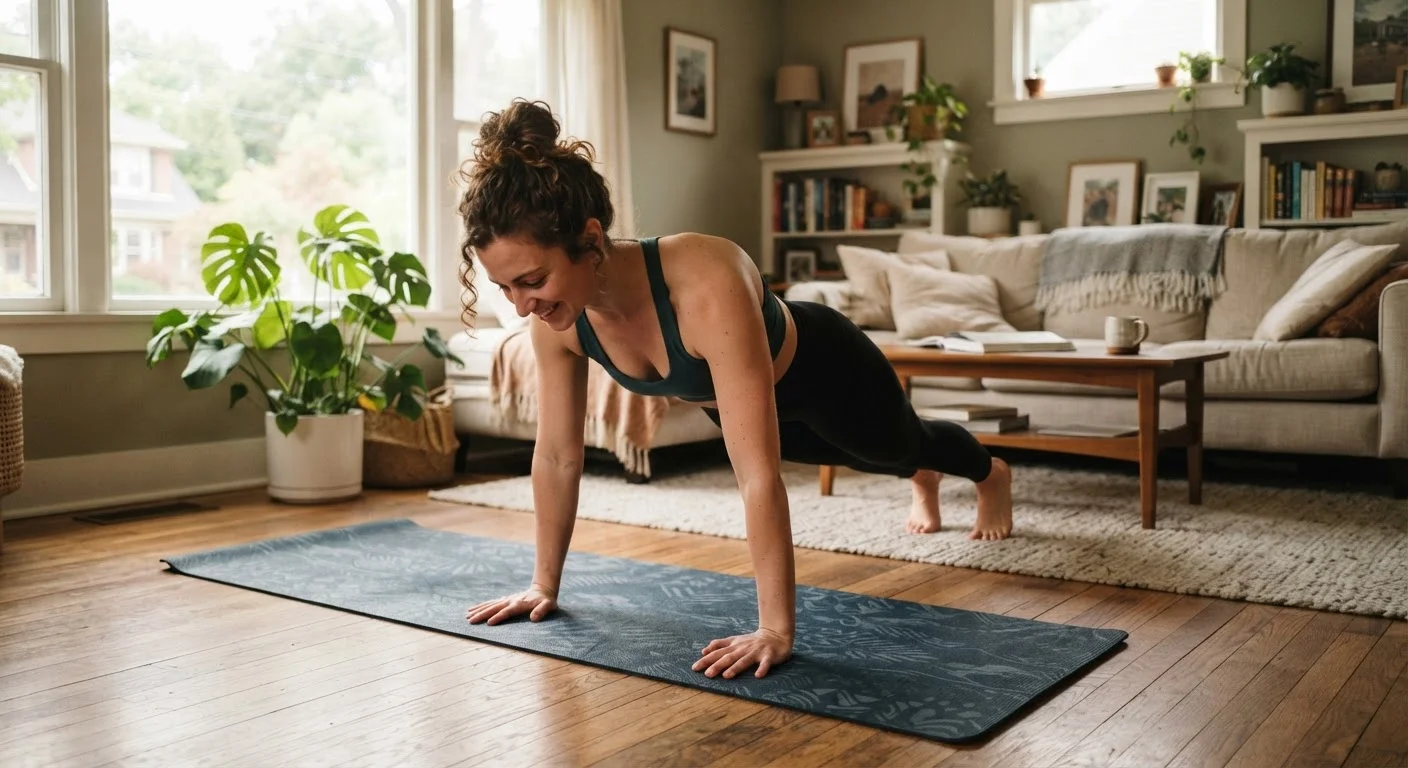
Photo: InsightsVault.com | Interesting Daily Reads editorial
Key Takeaways
- Dozens of legitimate, structured workout resources are available at no cost online and in communities.
- Public libraries, YouTube channels, and local parks programs offer guided fitness content for free.
- Consistency with free tools typically delivers results comparable to paid alternatives for most people.
- Knowing where to look - and what to ignore - saves both time and money.
- Free resources work best when matched to your fitness level and schedule.
Why Free Fitness Resources Are Worth Taking Seriously
The fitness industry spends considerable effort convincing consumers that effective exercise requires expensive memberships, apps, or equipment. The evidence doesn't fully support that claim. A growing body of public health research suggests that bodyweight training, walking, and structured movement - all achievable at no cost - can meaningfully improve cardiovascular health, strength, and wellbeing for most adults.
The real challenge isn't access to free resources; it's sorting the genuinely useful from the overwhelming noise. This list focuses on categories of free tools that have demonstrated real-world utility - without promoting specific commercial products or brands. If you're still deciding whether home exercise suits your lifestyle at all, our honest comparison of gym vs. home fitness lays out the trade-offs clearly.
Start With One Resource, Not Six
For those starting from scratch, pair these resources with the foundational guidance in our beginner's guide to low-cost fitness before diving into any structured programme.
Free Resources Worth Adding to Your Routine
YouTube fitness channels from certified instructors
YouTube hosts thousands of workout videos, but quality is uneven. The most reliable options come from channels run by certified personal trainers or physical therapists who clearly explain form and offer modifications for different ability levels. Look for channels that disclose instructor credentials and include beginner-friendly progressions.
The practical advantages are significant: workouts range from five-minute mobility sessions to hour-long strength circuits, and the search filters let you sort by duration, equipment needed, and fitness type. Bodyweight routines, yoga, HIIT, and low-impact cardio are all well-represented. No subscription is required.
Certified-instructor YouTube channels offer structured, modifiable workouts at zero cost.
Public library fitness collections and digital lending
Public libraries offer more than books. Many US library systems provide cardholders with free access to digital platforms that include fitness video libraries, audio-guided workouts, and exercise reference titles. Some library networks also offer access to wellness apps through partnerships - worth checking with your local branch or your library's digital services page.
Physical libraries often stock DVDs and fitness books that can be borrowed at no cost, including titles covering yoga, strength training, and rehabilitation exercises. This is an underused resource for people who prefer structured, programme-based approaches rather than piecing together individual videos.
Your library card may unlock free digital fitness platforms many people pay monthly to access.
Community parks and recreation programmes
Most US cities and counties operate parks and recreation departments that run free or very low-cost fitness classes, walking clubs, and outdoor fitness events - particularly in warmer months. Programmes often include group exercise classes at community centres, senior fitness sessions, and youth activity programmes that extend to families.
Outdoor fitness stations installed in many public parks provide a structured environment for bodyweight strength work. Running paths, sports courts, and open recreation fields are generally free to use year-round. Checking your local parks department website or social media is the fastest way to find what's available near you.
Local parks departments run free fitness classes and maintain equipment many residents don't know about.
Government and nonprofit health organisation resources
Federal agencies and established public health nonprofits publish free, evidence-based physical activity guidance and workout tools. Organisations such as the Centers for Disease Control and Prevention (CDC) and the National Institutes of Health (NIH) maintain publicly accessible resources on safe exercise guidelines, activity tracking tools, and programme frameworks designed for different age groups and fitness levels.
These resources carry a credibility advantage: content is reviewed by health professionals and aligned with current physical activity recommendations. They tend to be less flashy than commercial apps but more reliable for understanding how much and what type of exercise supports long-term health.
Federal health agencies publish free, evidence-reviewed exercise guidance the wellness industry rarely highlights.
Podcast-based and audio-guided workouts
Audio-guided fitness content is well-suited to activities like running, walking, and cycling, where visual instruction isn't practical. Several established fitness podcasts offer guided running programmes, interval training cues, and motivational coaching - all freely available through standard podcast apps.
The couch-to-5K format, originally a structured walk-run interval programme, is widely available as free podcast episodes and audio files. It has helped a significant number of non-runners build up to continuous 30-minute runs over about nine weeks. Audio formats also work well for people who find screen-based workouts distracting or impractical in their environment.
Audio-guided running programmes can take a non-runner to 30 continuous minutes in under three months.
Workplace and community wellness initiatives
Many employers, community organisations, faith communities, and mutual aid groups run free fitness or wellness challenges, group walks, or movement breaks - particularly around national health observances. These peer-based formats add social accountability, which research consistently identifies as a factor that supports exercise adherence.
If a programme doesn't already exist in your workplace or community, starting a simple walking group or weekly movement challenge typically requires no budget. Free group fitness can build consistency through social connection in ways solo digital resources sometimes struggle to replicate. Check with HR, community boards, or local Facebook and Nextdoor groups to find what's already active nearby.
Social accountability through group fitness consistently supports long-term exercise adherence in research.
Quality Varies - Apply a Basic Filter
Free fitness content varies widely in quality and safety. Look for resources produced or endorsed by credentialed fitness professionals or established public health institutions. If you have any existing health conditions, injuries, or are returning to exercise after a long break, consult a qualified healthcare provider before starting a new routine.
Getting the Most From What's Already Free
The best free fitness resource is the one you'll actually use consistently. Matching a resource to your schedule and preferences matters more than chasing the most sophisticated programme. Our guide on staying active on a tight schedule offers practical strategies for weaving movement into a busy day without treating exercise as an all-or-nothing commitment.
It's also worth reviewing the assumptions behind common fitness advice. Some popular beliefs - like the idea that every session must be intense to count - don't hold up to scrutiny. See our piece on fitness beliefs that deserve scrutiny for a research-grounded look at what actually matters. Fitness and nutrition are closely linked, so pairing an active routine with smart food choices can amplify results; the affordable nutrition hub is a useful complement.
This article is for general informational purposes only and does not constitute medical or fitness advice. Consult a qualified healthcare professional before beginning any new exercise programme, particularly if you have existing health conditions.
The content provided on our blog site traverses numerous categories, offering readers valuable and practical information. Readers can use the editorial team’s research and data to gain more insights into their topics of interest. However, they are requested not to treat the articles as conclusive. The website team cannot be held responsible for differences in data or inaccuracies found across other platforms. Please also note that the site might also miss out on various schemes and offers available that the readers may find more beneficial than the ones we cover.