
Low-Cost Fitness for Complete Beginners

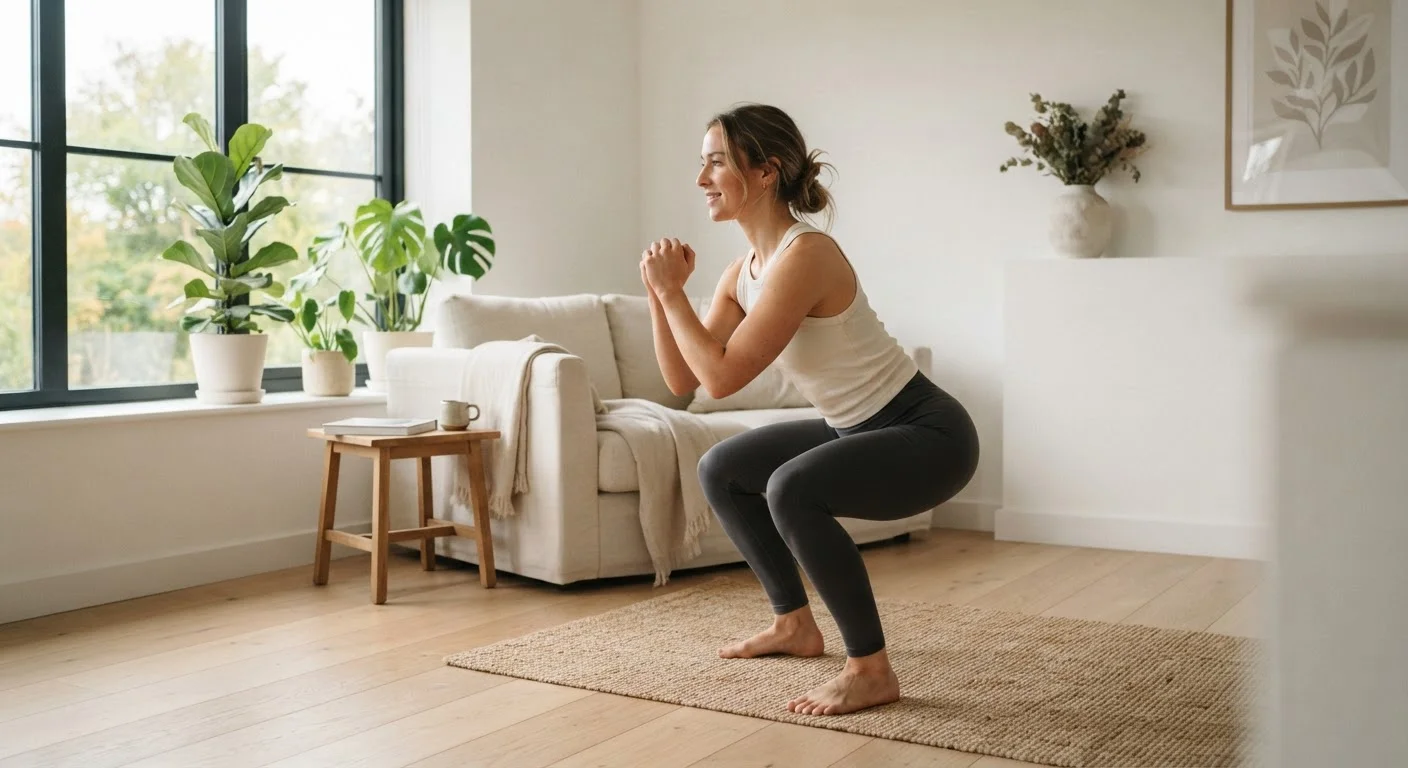
Photo: InsightsVault.com | Interesting Daily Reads editorial
Key Takeaways
- Fitness for beginners doesn't require equipment, a gym, or any upfront spending.
- Consistency over intensity is the single most important principle for new exercisers.
- Bodyweight movements, walking, and free online resources are legitimate starting points.
- Setting small, specific goals dramatically improves follow-through for beginners.
- Knowing what not to buy is just as useful as knowing what to do.
What Fitness Actually Means for Beginners
Fitness is often presented as an all-or-nothing pursuit - intense workouts, expensive memberships, and specialized gear. For someone starting from scratch, that framing is both inaccurate and discouraging. In practice, fitness simply means improving your body's ability to handle physical demands: moving more easily, sustaining effort longer, and recovering faster.
There are four components worth understanding early on:
- Cardiovascular endurance - your heart and lungs' ability to sustain activity over time.
- Muscular strength - how much force your muscles can produce.
- Flexibility - the range of motion in your joints and muscles.
- Balance and coordination - how well your body controls movement.
As a beginner, you don't need to train all four simultaneously. Even modest improvements in one area produce real health benefits. For a broader picture of what's possible without spending money, the complete low-cost fitness overview maps out the full landscape of options.
Cardiovascular endurance
Your heart and lungs' capacity to sustain physical activity over time. Improved by consistent moderate-intensity movement like walking or jogging.
Bodyweight training
Exercise that uses your own body as resistance - no weights or machines required. Examples include push-ups, squats, and lunges.
Progressive overload
Gradually increasing the difficulty of exercise over time so your body continues to adapt and improve. Can mean more repetitions, longer duration, or shorter rest periods.
Recovery
The rest period between exercise sessions during which your muscles repair and strengthen. Adequate recovery is essential to making progress safely.
Moderate-intensity activity
Physical effort at a level where you can still hold a conversation but feel your breathing and heart rate increase - brisk walking is a common example.
Setting Realistic Goals from the Start
Vague intentions like "get in shape" rarely stick. Specific, measurable goals do. Rather than focusing on appearance or weight, beginners tend to do better anchoring goals to behaviors: completing three 20-minute walks this week, or doing two bodyweight sessions before Friday.
A few principles that hold up across the research on habit formation:
- Start smaller than you think you need to. Completing an easy goal builds momentum; failing an ambitious one discourages continuation.
- Attach exercise to an existing routine. Walking after lunch or stretching before bed links new behavior to established cues.
- Track what you actually do, not just what you plan. A simple notebook works fine.
Beginners also benefit from acknowledging what fitness is not going to fix quickly. Expect gradual, uneven progress - not linear improvement. That's normal and not a signal to stop.
Pair New Exercise with an Existing Habit
Free and Low-Cost Ways to Get Moving
The options available at no cost are more effective than many people assume. Here are the most accessible starting points:
- Walking - consistently supported by public health bodies as beneficial for cardiovascular health, weight management, and mood. No learning curve, no gear beyond reasonably supportive footwear.
- Bodyweight training - push-ups, squats, lunges, and planks build real strength. Our guide to how bodyweight training works explains the mechanics and why it's a credible alternative to gym equipment.
- Outdoor spaces - parks, trails, and open areas are free fitness environments. Running, cycling (if you own a bike), and recreational sport all qualify.
- Free digital resources - public libraries, YouTube, and community programs often provide structured workouts at no cost. See our roundup of free fitness resources worth your time for vetted options.
If you're considering whether a gym might eventually make sense, the honest comparison of gym vs. home fitness lays out the real trade-offs without hype.
This article is for general informational purposes only and is not a substitute for medical advice. If you have any health concerns or conditions, consult a qualified healthcare professional before starting a new exercise program.
Building Consistency Without Burning Out
The most common mistake beginners make is starting too hard and stopping within weeks. Overexertion leads to muscle soreness and fatigue that feel like signals to quit - when they're actually just signs of an overly aggressive start.
Sustainable consistency looks like this:
- Rest days are part of the plan, not failures. Muscle repair happens during recovery.
- Soreness that persists beyond 72 hours, or any sharp pain during movement, warrants rest and, if it continues, professional evaluation.
- Progress is measured in weeks and months, not days.
Once you're ready to think about structure, building a weekly routine with no equipment provides a step-by-step framework for balancing effort and recovery across the week. Before any home session, it's also worth reviewing the home workout safety checklist to reduce injury risk from the start.
What You Don't Need to Buy
The fitness industry is effective at creating the impression that success requires investment. As a beginner, knowing what to skip is genuinely useful:
- Expensive footwear
- General-purpose athletic shoes are adequate for most beginner activities. Specialist shoes matter more as you progress into specific sports or high-mileage running.
- Supplements
- For most healthy adults starting an exercise routine, standard nutrition is sufficient. Protein supplements, pre-workouts, and recovery products are not necessary at a beginner level. Discuss any supplement use with a healthcare provider.
- Fitness trackers and apps
- Useful tools, but not prerequisites. A free app or a piece of paper tracks progress just as effectively.
- Home gym equipment
- Resistance bands and dumbbells may eventually add value, but they're not required to build fitness from zero. Many people make months of progress with bodyweight alone.
If you're also working on reducing everyday expenses more broadly, the guide to cutting daily costs covers practical strategies that pair well with a low-cost fitness approach. Nutrition is the other half of the equation - affordable nutrition guidance can help you fuel activity without stretching your food budget.
MedlinePlus: Exercise and Physical Fitness
A reliable, government-backed resource from the U.S. National Library of Medicine covering the health benefits of exercise, how to get started safely, and links to reputable guidance for different fitness levels.
CDC Physical Activity Guidelines for Americans
Official recommendations from the Centers for Disease Control and Prevention on how much activity adults and children need, with practical explanations of what counts and why it matters.
Your Local Public Library
Many public libraries offer free access to fitness DVDs, streaming workout platforms, and community exercise programs. Check your branch's digital and in-person offerings - they're often overlooked and completely free.
Frequently Asked Questions
The content provided on our blog site traverses numerous categories, offering readers valuable and practical information. Readers can use the editorial team’s research and data to gain more insights into their topics of interest. However, they are requested not to treat the articles as conclusive. The website team cannot be held responsible for differences in data or inaccuracies found across other platforms. Please also note that the site might also miss out on various schemes and offers available that the readers may find more beneficial than the ones we cover.