
Low-Cost Fitness: A Complete Overview of Your Options

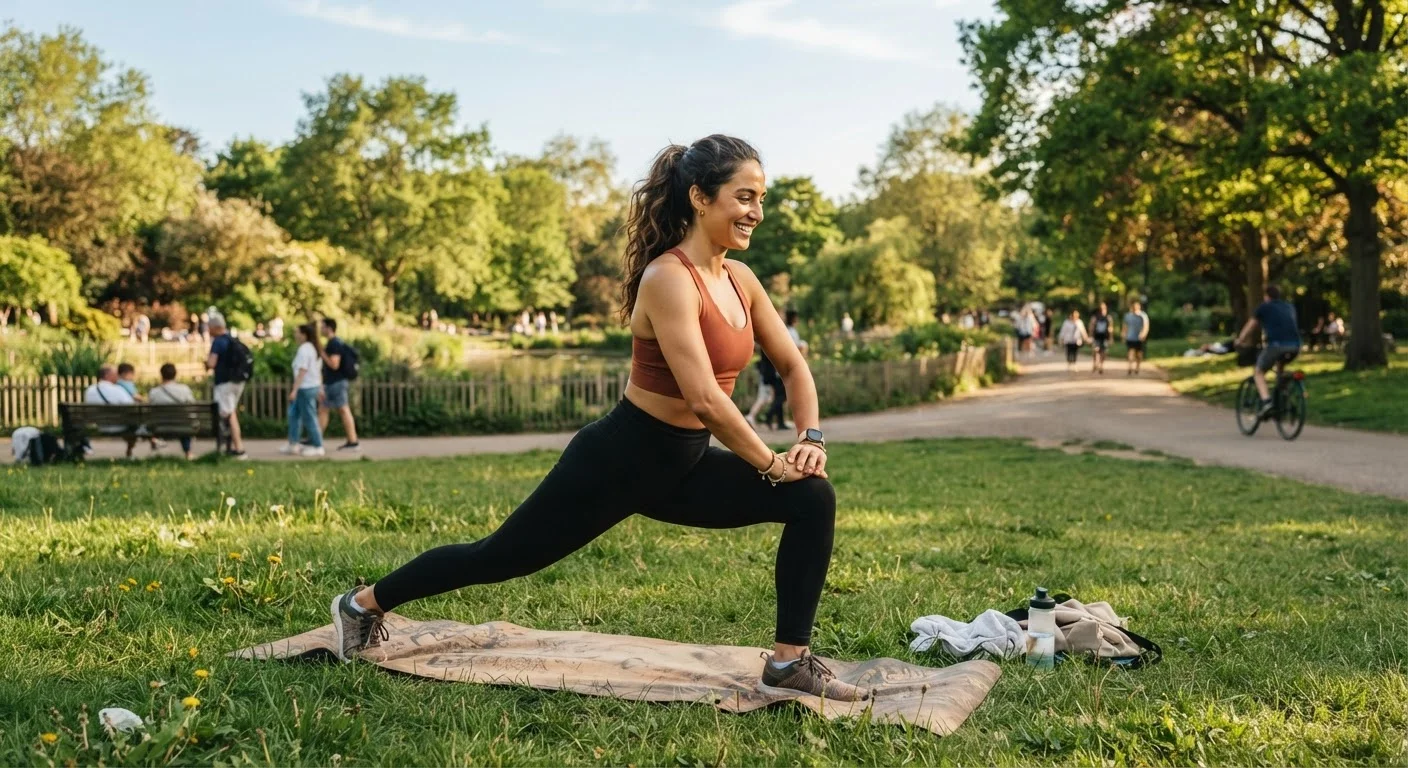
Photo: InsightsVault.com | Interesting Daily Reads editorial
Key Takeaways
- Bodyweight exercises require zero equipment and build real strength and cardiovascular fitness.
- Public parks, recreation centres, and community programmes offer free or heavily subsidised fitness access.
- Free YouTube channels and apps can replace expensive personal training for most general fitness goals.
- Consistency matters far more than expensive gear - habits beat hardware every time.
- Pairing affordable fitness with smart nutrition compounds your health gains without extra spend.
Why Low-Cost Fitness Works
The fitness industry generates billions annually by convincing consumers that results require expensive memberships, equipment, and supplements. Research consistently tells a different story. Regular moderate exercise - regardless of setting or cost - is associated with meaningful improvements in cardiovascular health, mood, and metabolic function. What matters is frequency and effort, not the price tag on your trainers.
For budget-conscious households, this is genuinely good news. Cutting a gym membership is one of the more achievable swaps covered in our guide to free and low-cost alternatives to common paid habits, and fitness is one area where the free substitute is often just as effective as the paid version.
Before spending anything on fitness, spend two weeks tracking exactly how many days you actually exercise. Most people overestimate consistency, which is why equipment purchases often go unused.
If you're going to buy one piece of equipment, a set of resistance bands covers more exercises per dollar than almost any other option - and they're portable.
Bodyweight Training: Your Free Foundation
Bodyweight training - using your own body as resistance - is the most accessible form of structured exercise available. Squats, lunges, push-ups, planks, and mountain climbers target major muscle groups without any equipment. Progressive overload (gradually increasing reps, sets, or exercise difficulty) allows beginners and intermediate exercisers alike to keep improving over time.
A basic framework to start with:
- 3-4 sessions per week, alternating upper-body focus and lower-body focus
- Compound movements first (push-ups, squats, hip hinges) before isolation work
- Rest days are active recovery - walking, stretching, or light mobility work
If you find solo training difficult to sustain, it's worth reading our balanced breakdown of exercising alone vs. with others - the social element of fitness has real benefits that are worth factoring into your routine design.
73%
Gym members who rarely use their membership
Research from the Journal of Health Economics and subsequent consumer analyses suggests a large majority of gym members use their membership far less than they intend when signing up.
150 min
Weekly moderate activity recommended for adults
The U.S. Department of Health and Human Services Physical Activity Guidelines for Americans recommend at least 150 minutes of moderate-intensity aerobic activity per week - achievable entirely without a gym.
Outdoor and Community Options
Public infrastructure is an underused fitness resource. Parks, trails, public pools (many municipally subsidised), and outdoor fitness stations are available in most US cities and suburbs at no cost or very low cost. Walking and running require only a pair of supportive shoes. Cycling, where safe infrastructure exists, delivers strong aerobic benefit.
Beyond open spaces, look for:
- YMCA sliding-scale memberships - many locations offer income-based pricing
- Recreation centre programmes - city and county parks departments often run free or low-fee group fitness classes
- Library-linked wellness programmes - some library systems provide free passes to local fitness facilities
- Community walking or running groups - free, social, and often more consistent than solo routines
The same mindset that helps travellers find genuinely free experiences in popular destinations - seeking out public parks, walking routes, and local events - applies directly to everyday fitness at home.
Free and Low-Cost Digital Resources
The shift to on-demand fitness content has dramatically lowered the barrier to quality instruction. YouTube hosts thousands of structured workout programmes across every discipline - yoga, HIIT, strength, mobility - from credentialled instructors, at no cost. Many public library systems also provide free access to premium fitness apps through digital lending platforms such as Libby or Kanopy.
When evaluating free digital fitness content, prioritise:
- Instructors with verifiable fitness or health credentials
- Programmes that emphasise form and progression, not just intensity
- Content that matches your current fitness level - starting too advanced is a common reason people quit
Verify Fitness Content Credentials
Building a Sustainable Routine on a Budget
The biggest predictor of fitness outcomes is adherence - showing up consistently over months and years. Budget fitness strategies often support adherence better than expensive alternatives because there's no sunk-cost pressure and lower logistical friction. You can do a 20-minute bodyweight session at home before work without commuting to a gym.
A few practical principles for long-term success:
- Schedule it like an appointment - vague intentions don't survive busy weeks
- Track simple metrics - reps completed, minutes walked, days active - to see progress without expensive devices
- Pair fitness with nutrition - physical activity and smart eating compound each other; our affordable nutrition hub covers how to eat well without overspending
- Reduce friction - lay out clothes the night before, keep a routine anchor (same time, same starting movement) to build habit
Getting and staying fit on a tight budget is genuinely achievable. The strategies above are grounded in how the body actually responds to exercise - not in marketing. Start with one or two approaches, build consistency, and expand from there. The goal is a lifelong habit, not a short-term programme.
This article provides general health and fitness information for educational purposes only. It is not a substitute for personalised advice from a qualified healthcare or fitness professional. Consult a doctor before starting a new exercise programme, particularly if you have an existing health condition.
The content provided on our blog site traverses numerous categories, offering readers valuable and practical information. Readers can use the editorial team’s research and data to gain more insights into their topics of interest. However, they are requested not to treat the articles as conclusive. The website team cannot be held responsible for differences in data or inaccuracies found across other platforms. Please also note that the site might also miss out on various schemes and offers available that the readers may find more beneficial than the ones we cover.