
Safe Handling of Common DIY Materials: Paint, Adhesives, and Solvents

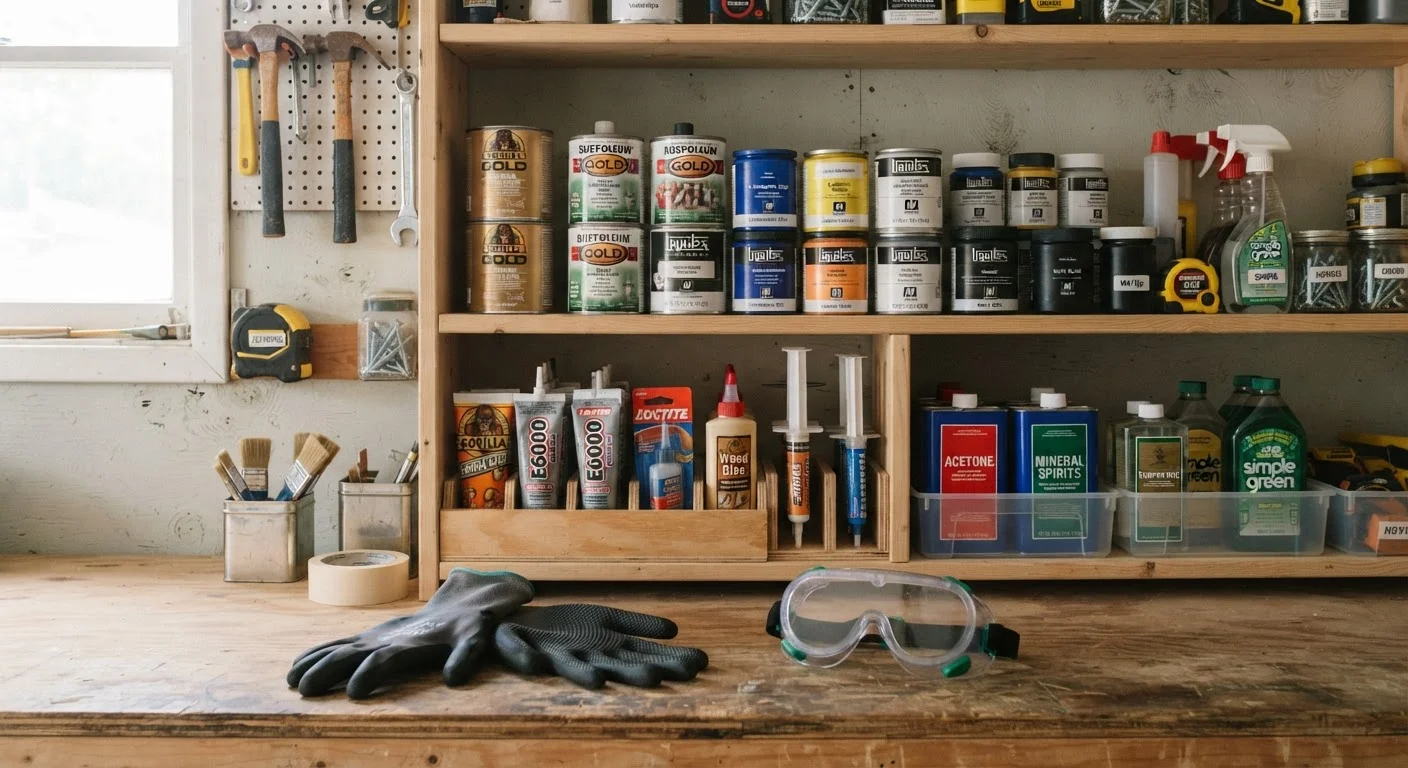
Photo: InsightsVault.com | Interesting Daily Reads editorial
Key Takeaways
- Ventilation is the single most critical safety measure when using paints, adhesives, or solvents indoors.
- Always read the Safety Data Sheet (SDS) for any chemical product before opening the container.
- Improper disposal of leftover solvents and paints is both a legal violation and an environmental hazard in most US states.
- Storing flammable materials away from heat sources and in tightly sealed containers prevents most household chemical accidents.
- Skin and eye protection should be non-negotiable, even for short or seemingly low-risk tasks.
Why Safe Handling Pays Off for DIYers
Tackling your own paint jobs, adhesive repairs, and solvent-based cleaning can save hundreds of dollars in labor costs annually. But those savings disappear fast if a chemical exposure sends you to urgent care or a spill damages flooring, finishes, or appliances. Safe handling is not just about avoiding dramatic accidents - it's about protecting your long-term investment in your home and your health.
The good news: the core rules are straightforward and cost almost nothing to follow. Whether you're a first-time DIYer or a seasoned weekend fixer, the practices below apply to the most common household chemical categories. For a broader framework on planning repairs safely, see the complete DIY home repairs guide.
Ventilation, Storage, and Disposal: The Non-Negotiables
Three areas account for the majority of DIY chemical incidents: using products in confined spaces, storing containers carelessly, and discarding leftover materials improperly.
~13 million
US Poison Control calls annually involving household chemicals
The American Association of Poison Control Centers consistently reports household chemical products among the most common exposure categories in annual data reports.
Top 3
Cause category of residential fires: heating equipment, cooking, and electrical - with chemical misuse a contributing factor
The US Fire Administration notes that improper storage and disposal of flammable liquids contributes to thousands of residential fires each year.
Ventilation
Open at least two windows or a window and an exterior door to create cross-flow airflow whenever you're using oil-based paints, contact cements, lacquer thinners, or acetone-based products. A single open window creates a dead zone; cross-ventilation actively moves fumes out. For basement or interior rooms without windows, use a box fan positioned to exhaust air outward. Take breaks every 20-30 minutes in fresh air, especially if you notice any dizziness or eye irritation - these are early warning signs, not minor inconveniences.
Storage
Keep flammable liquids - including mineral spirits, naphtha, and contact adhesives - in their original containers with lids tightly sealed. Store them in a cool, dry location away from water heaters, furnaces, dryers, or any pilot light. Temperatures above 80°F can increase vapor pressure inside containers, raising leak and ignition risk. A metal cabinet with a latch is preferable to a plastic shelf for flammable storage. Latex paints can generally be stored at room temperature but must not freeze; always check the product label.
Disposal
In the US, most liquid solvents and oil-based paints are classified as household hazardous waste (HHW) and cannot be poured down drains or placed in regular trash. Contact your county or municipal waste authority to locate your nearest HHW drop-off event or facility - many jurisdictions hold them several times per year at no cost. Latex paint is often handled differently: some municipalities allow dried latex paint in regular trash once it's fully solidified. Check local rules before assuming.
Quick-Start Safety Steps You Can Take Right Now
If you have open projects or stored materials at home, these actions take less than an hour and meaningfully reduce your risk.
For more projects you can tackle confidently without specialized training, the beginner DIY repairs guide is a practical starting point.
Reading Labels and Safety Data Sheets
Every chemical product sold in the US is required to have a Safety Data Sheet (SDS) - formerly called an MSDS - available from the manufacturer. The SDS covers health hazards, first-aid steps, flammability, proper PPE (personal protective equipment), and disposal guidance in a standardized 16-section format. You can typically find an SDS by searching the product name plus "SDS" on the manufacturer's website or through the OSHA SDS repository.
Product labels carry abbreviated versions of the same information. Pay particular attention to signal words: "Danger" indicates a more severe hazard than "Warning." Pictograms - the small icons on modern labels - signal flammability, corrosiveness, or health risk at a glance. Don't skip this step even for familiar products; formulations change, and a product you used safely two years ago may have updated hazard information.
Common myths around paint and solvent safety can lead to real financial and health consequences - the DIY myths article addresses several of them directly.
This article provides general safety information for educational purposes only. It is not a substitute for product-specific instructions, professional safety advice, or guidance from your local waste management authority. Always follow manufacturer directions and consult qualified professionals for tasks that involve significant chemical hazards or regulated disposal.
The content provided on our blog site traverses numerous categories, offering readers valuable and practical information. Readers can use the editorial team’s research and data to gain more insights into their topics of interest. However, they are requested not to treat the articles as conclusive. The website team cannot be held responsible for differences in data or inaccuracies found across other platforms. Please also note that the site might also miss out on various schemes and offers available that the readers may find more beneficial than the ones we cover.