
Low-Cost Ways to Improve Your Home's Energy Efficiency

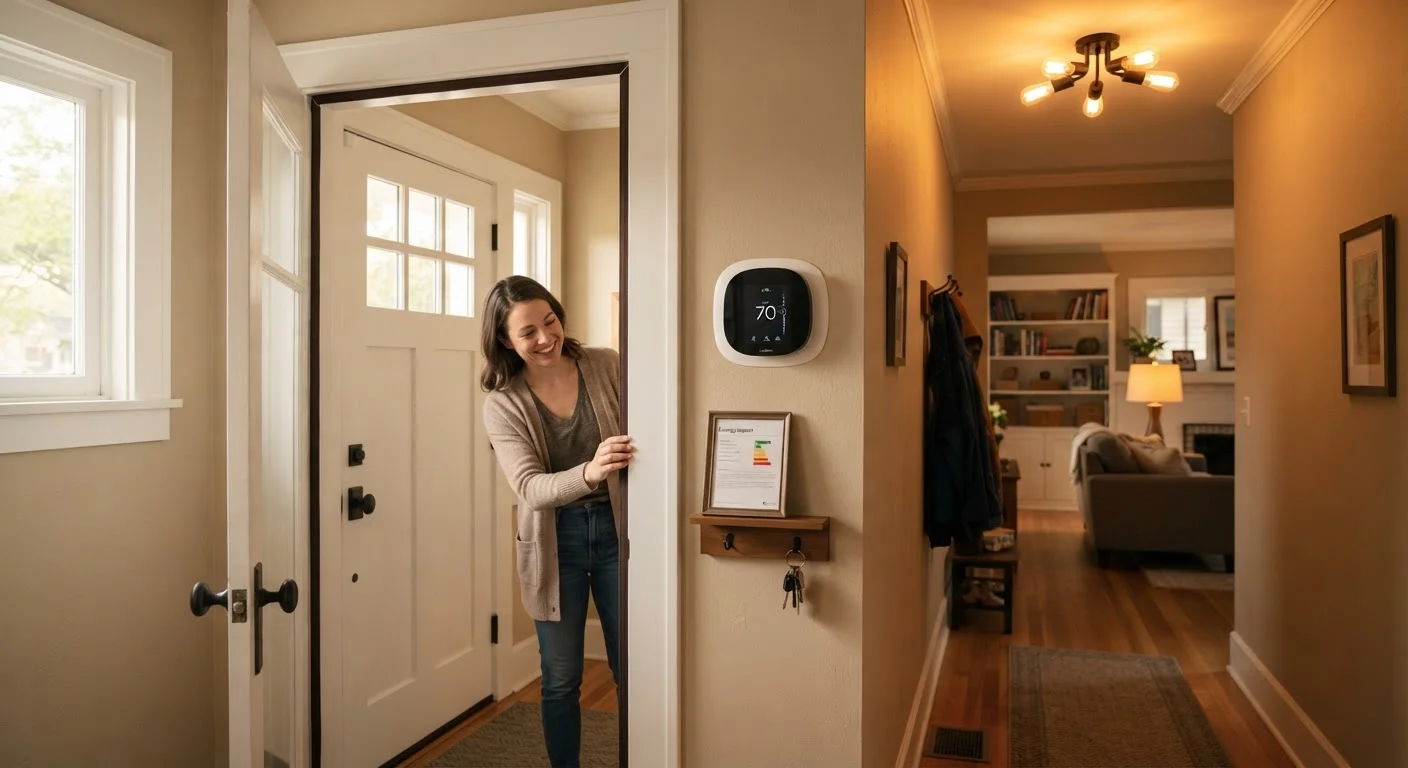
Photo: InsightsVault.com | Interesting Daily Reads editorial
Key Takeaways
- Many effective energy-efficiency improvements cost under $20 and take less than an hour to complete.
- Air sealing gaps around doors and windows is consistently one of the highest-return DIY actions available.
- Switching to LED bulbs, adjusting thermostat schedules, and managing standby power all reduce consumption with minimal effort.
- Layering several small improvements typically delivers more noticeable savings than any single change alone.
- Some upgrades may qualify for utility rebates or federal tax credits - check with your provider before starting.
Small Fixes, Real Savings
Energy efficiency doesn't have to mean expensive contractor work or major renovations. A focused afternoon and a modest budget can meaningfully reduce what you pay every month. The improvements below are ordered roughly by effort level - most require no special skills and no permits.
If you're newer to this topic, our introduction to home energy efficiency covers the core concepts worth understanding before diving in. For those already familiar with the basics, the list below is where to start taking action.
Seal gaps around doors and windows with weatherstripping
Drafts are responsible for a significant share of heating and cooling loss in older homes. Foam or felt weatherstripping strips cost a few dollars per door or window and typically take under 30 minutes to apply. Run your hand along door frames on a windy day - if you feel air movement, the seal needs attention.
For a deeper look at how air sealing compares to full insulation upgrades, see air sealing vs. insulation.
A few dollars of weatherstripping can stop drafts that quietly inflate your heating and cooling bills year-round.
Replace incandescent bulbs with LEDs
LED bulbs use roughly 75% less energy than incandescent equivalents and last significantly longer - often 15,000 hours or more. Replacing the most-used fixtures in your home first gives you the fastest payback. The upfront cost has dropped considerably; a standard LED now costs $2-$5 in most hardware stores.
LEDs use around 75% less electricity than incandescent bulbs and typically last many years longer.
Program or adjust your thermostat schedule
Heating or cooling an empty home is one of the most common sources of wasted energy. If you have a programmable or smart thermostat, setting it to reduce output by 7-10°F for 8 hours a day can reduce related energy use by around 10%, according to the U.S. Department of Energy. Even manually adjusting the temperature before you leave and go to bed produces meaningful savings over time.
Adjusting your thermostat 7-10°F for 8 hours daily can cut heating and cooling costs by roughly 10%.
Eliminate standby power with smart power strips
Electronics and appliances draw power even when switched off - a phenomenon called standby power or phantom load. TVs, gaming consoles, and chargers are common offenders. Plugging these into a smart power strip that cuts power when the primary device is off is an easy, low-cost solution. The Lawrence Berkeley National Laboratory estimates standby power can account for 5-10% of residential electricity use.
Phantom loads from idle electronics can account for 5-10% of your home's total electricity consumption.
Insulate your water heater and hot water pipes
If your water heater is an older tank model and feels warm to the touch on its outer jacket, heat is escaping continuously. An insulating blanket designed for water heaters - typically under $30 - can reduce standby heat loss noticeably. Similarly, insulating the first few feet of hot water pipes leaving the heater reduces the time you wait for warm water, saving both water and energy.
Safety note: Check your water heater's manual before adding an insulating blanket, and leave the thermostat, pressure relief valve, and burner access areas uncovered. For gas water heaters, avoid covering the top.
A water heater insulating blanket costing under $30 can reduce ongoing standby heat loss with no ongoing effort required.
Use window coverings strategically
Cellular shades and thermal curtains act as an insulating layer between glass and your living space. In winter, open south-facing coverings during daylight to let in passive solar heat, then close them at night to retain it. In summer, keep west- and south-facing windows covered during peak afternoon hours to reduce cooling load. This costs nothing if you already have curtains and very little if you add thermal liners to existing ones.
Opening and closing window coverings strategically by season adds a layer of passive climate control at no ongoing cost.
Check and clean HVAC filters regularly
A clogged air filter forces your heating and cooling system to work harder to move air, using more energy in the process. Most manufacturers recommend checking filters monthly and replacing them every 1-3 months depending on use and household conditions. A standard filter costs $5-$15. This single habit also extends equipment life, making it one of the highest-value maintenance tasks in the home.
For room-specific guidance on where HVAC efficiency improvements make the most difference, see energy-efficient practices for every room.
Replacing a clogged HVAC filter for $5-$15 restores airflow, reduces energy use, and extends your system's life.
Putting It All Together
No single fix on this list will transform your utility bill, but several of them working together often will. Prioritize the ones that address your home's most obvious gaps first - drafty doors, unscheduled thermostats, and phantom loads are common culprits in most households.
Check for utility rebates before you buy
For a broader look at which everyday habits actually shift the needle on energy costs, see energy habits that move the needle. And if you want a season-by-season plan for keeping improvements on track throughout the year, the seasonal home energy checklist is a practical companion resource.
The content provided on our blog site traverses numerous categories, offering readers valuable and practical information. Readers can use the editorial team’s research and data to gain more insights into their topics of interest. However, they are requested not to treat the articles as conclusive. The website team cannot be held responsible for differences in data or inaccuracies found across other platforms. Please also note that the site might also miss out on various schemes and offers available that the readers may find more beneficial than the ones we cover.