
Seasonal Home Energy Checklist

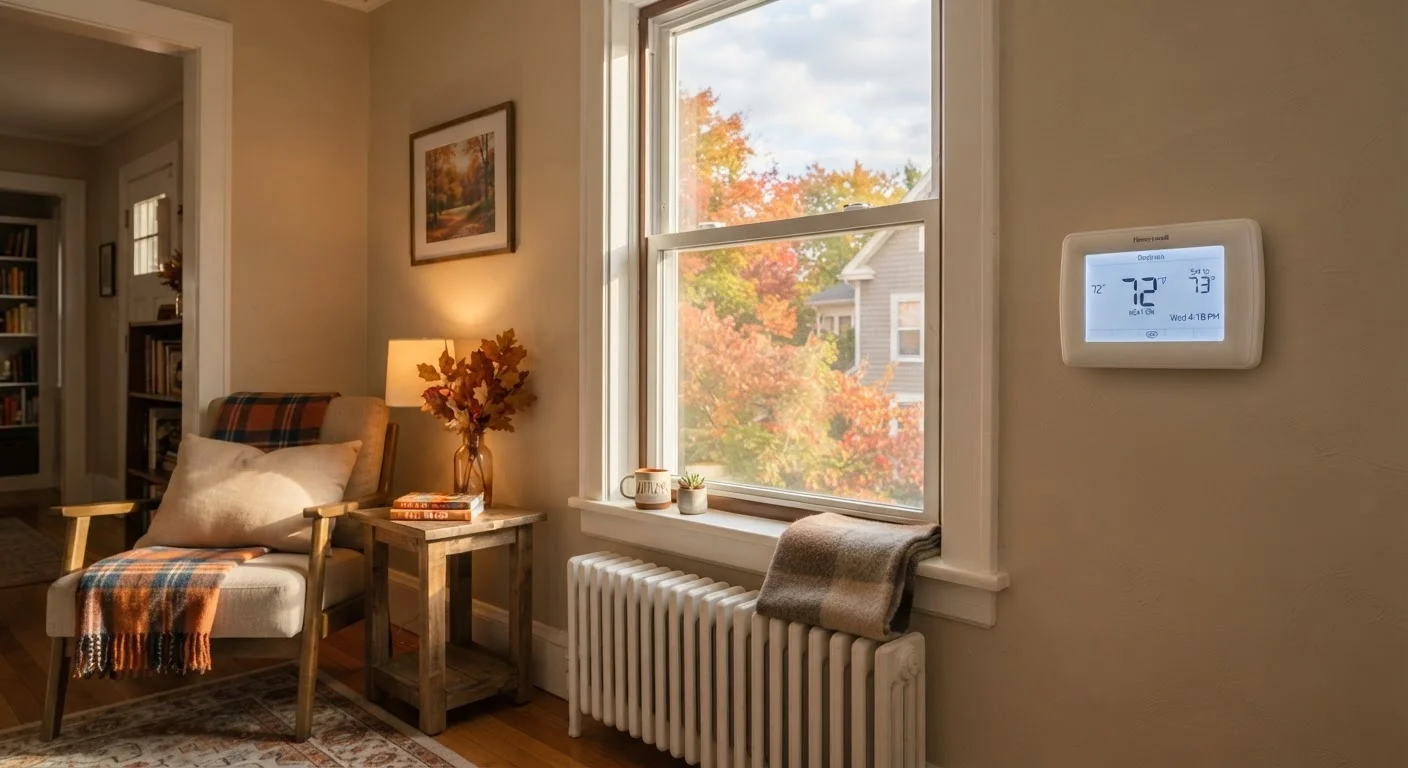
Photo: InsightsVault.com | Interesting Daily Reads editorial
Key Takeaways
- Seasonal energy checks catch efficiency leaks before they silently inflate your bills.
- Air sealing and insulation improvements typically deliver the highest payback for the least cost.
- HVAC filter changes and thermostat adjustments are free or near-free actions with measurable impact.
- Water heating and appliance habits account for a significant share of household energy use.
- Attic and basement conditions often drive more energy loss than any single room in the house.
How to Use This Checklist
This checklist is organized by season so you can work through it in manageable chunks rather than tackling everything at once. Each item is tagged as must (non-negotiable for efficiency), should (strongly recommended), or nice to have (optional but worthwhile). If you're new to home energy efficiency, start with the fundamentals overview before diving in.
Most items require no tools and no professional help - just an hour on a weekend. A few involve checking systems that may need a licensed technician, particularly anything related to gas lines, electrical panels, or structural insulation. When in doubt, verify local permit and code requirements before doing any work.
Caulk gun and all-weather caulk
Sealing gaps around windows, door frames, and pipe penetrations to stop air infiltration.
Weatherstripping tape or foam strips
Replacing worn seals on exterior doors to eliminate drafts without any specialist skills.
HVAC air filter (appropriate size for your system)
Replacing dirty filters before each major season to maintain airflow and system efficiency.
Digital thermometer or HVAC smart thermostat
Verifying temperature accuracy and setting heating/cooling schedules matched to your household.
Pipe insulation foam sleeves
Wrapping accessible hot water pipes in unheated spaces to reduce standby heat loss.
Smart power strip
Cutting standby power draw from electronics clusters in home offices and media areas.
Spring & Summer Checks
Warmer months are the time to prepare your cooling system and identify places where conditioned air escapes. Catching these issues in spring means you're not scrambling when a heat wave arrives. For a deeper look at room-by-room cooling habits, see energy-efficient practices for every room.
Spring: Cooling System & Air Quality
Summer: Sealing & Appliance Efficiency
Fall: Heating System Preparation
Winter: Insulation, Water Heating & Ongoing Habits
Don't DIY Refrigerant or Gas Line Work
Fall & Winter Checks
Heating typically represents the largest single energy expense in a US home. Many winter bill spikes trace back to overlooked air leaks and deferred maintenance - issues covered in detail in our guide on why heating bills spike in winter. Run through this section before the first cold snap.
If you're weighing a thermostat upgrade, our comparison of programmable vs. smart thermostats can help you decide what fits your household. For attic and roof considerations, see roof ventilation and attic insulation trade-offs.
Carbon Monoxide Detectors Are Non-Negotiable
For a comprehensive year-round strategy that goes beyond this checklist, the complete year-round energy savings roadmap is a useful companion resource. And if you want quick wins that cost little to nothing, the low-cost efficiency improvements guide lists actions many homeowners can complete in under an hour.
The content provided on our blog site traverses numerous categories, offering readers valuable and practical information. Readers can use the editorial team’s research and data to gain more insights into their topics of interest. However, they are requested not to treat the articles as conclusive. The website team cannot be held responsible for differences in data or inaccuracies found across other platforms. Please also note that the site might also miss out on various schemes and offers available that the readers may find more beneficial than the ones we cover.