
Home Energy Savings

Why Your Heating Bill Spikes in Winter (And What's Actually Causing It)

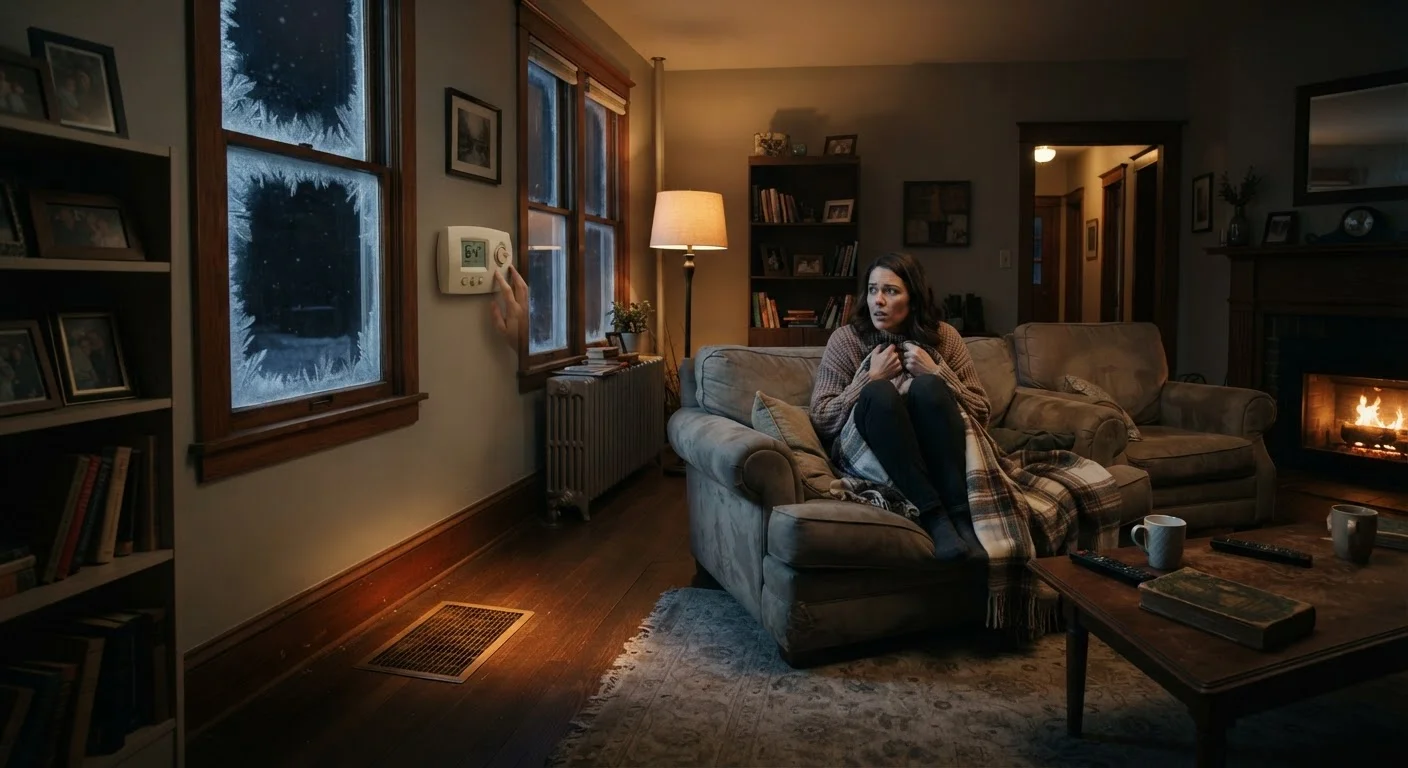
Why Your Heating Bill Spikes in Winter (And What's Actually Causing It)

Photo: InsightsVault.com | Interesting Daily Reads editorial

Common but overlooked reasons your winter energy bills climb — and the fixes that make a lasting difference.

Key Takeaways

  • Air leaks around windows, doors, and outlets can account for up to 30% of heating loss in a typical home.
  • An unmaintained furnace filter forces the system to work harder, raising energy use and shortening equipment life.
  • Setting the thermostat too high — even by a few degrees — can meaningfully increase your monthly bill.
  • Closing vents in unused rooms often backfires, disrupting system pressure and reducing efficiency.
  • Water heating adds a hidden layer to winter energy costs that most households overlook.

The Real Culprits Behind a High Heating Bill

A sharp rise in your winter energy bill isn't always about the weather. In many homes, a handful of avoidable mistakes quietly drain heat — and money — throughout the season. Understanding what's actually happening gives you a clear path to fixing it. This article is part of a broader year-round energy savings roadmap if you want a wider view.

The mistakes below are among the most common causes of inflated winter heating bills. Each one is fixable without major renovation — most require only modest effort and little to no cost.

1

Ignoring air leaks around windows, doors, and electrical outlets.

Why it happens: Leaks are invisible and develop gradually, so most homeowners don't notice them until the problem is significant. Cold drafts near windows or outlets are easy to attribute to 'old construction' rather than a fixable gap.
How to avoid: Hold a lit stick of incense near window frames, door edges, and outlet covers on a windy day — smoke movement reveals leaks. Seal gaps with weatherstripping, caulk, or foam gaskets behind outlet covers. The U.S. Department of Energy estimates air sealing can reduce heating and cooling costs by up to 15%.
2

Running the furnace with a dirty or clogged filter.

Why it happens: Filters are out of sight and easy to forget. Many households replace them far less often than manufacturers recommend, especially during the busy early-winter period when the furnace kicks back on.
How to avoid: Check your filter monthly during heavy-use months and replace it when it looks gray and clogged — typically every 1–3 months depending on filter type and household conditions. A clean filter allows airflow to move freely, reducing how hard the blower motor has to work and cutting energy use in the process.
3

Setting the thermostat too high and leaving it constant.

Why it happens: When it's cold, the instinct is to turn up the heat. Many people also assume that a constant temperature is more efficient than letting the house cool while away or asleep.
How to avoid: Lowering your thermostat by 7–10°F for 8 hours a day — overnight or when the house is empty — can reduce heating costs by roughly 10% annually, according to general guidance from the U.S. Department of Energy. A programmable or smart thermostat automates this without any daily effort.
4

Closing vents in unused rooms to 'save energy.'

Why it happens: The logic seems sound: less space heated should mean less energy spent. But most forced-air systems are designed to operate with all vents open and balanced.
How to avoid: Keep supply vents open throughout the house. Closing vents increases static pressure in the duct system, which can cause the furnace to work harder, increase wear on the blower motor, and even lead to duct leaks over time. If certain rooms genuinely don't need heating, consult an HVAC technician about zoning options rather than blocking airflow.
5

Neglecting to bleed radiators or maintain baseboard heaters.

Why it happens: Hot-water and steam radiator systems are less common than forced-air and are often misunderstood. Trapped air inside radiators reduces heating output, but the symptoms — cold spots at the top of a radiator — can be mistaken for system failure.
How to avoid: Bleed radiators at the start of each heating season using a radiator key to release trapped air. For electric baseboard heaters, vacuum dust from the fins regularly — dust acts as insulation on the heating element, reducing output and forcing longer run times.
6

Overlooking the water heater as a winter energy cost driver.

Why it happens: Water heating is a year-round expense, so homeowners rarely think of it as seasonal. But incoming cold-water temperatures drop significantly in winter, meaning the heater works harder to reach the same set temperature.
How to avoid: Insulate the first few feet of hot and cold pipes connected to the water heater. If your unit is set above 120°F, lowering it reduces standby heat loss and the energy needed to reheat. A water heater insulation blanket can also help on older units — check the manufacturer's guidance before adding one.

Where to Go From Here

Correcting even two or three of these habits can produce a noticeable difference in your heating bill by the end of the season. If you're not sure where your home is losing the most heat, a home energy audit — offered by many utilities at low or no cost — can identify specific problem areas with thermal imaging and blower-door testing.

~30%

Heating loss from air leaks in a typical home

The U.S. Department of Energy attributes roughly 25–30% of heating energy loss in a typical house to air infiltration through gaps, cracks, and openings.

10%

Potential annual savings from thermostat setbacks

Turning the thermostat back 7–10°F for 8 hours per day can reduce heating costs by approximately 10% per year, per U.S. Department of Energy estimates.

For a structured way to work through your home room by room, the seasonal home energy checklist is a practical starting point. And if your utility bill itself feels confusing, decoding the line items on your energy bill can reveal exactly which figures signal waste. Don't overlook your water heater either — water heating costs often spike quietly in winter and deserve their own attention.

Small, consistent changes to how you manage heat at home add up. The household habits that move the needle on energy costs gives more detail on behaviors that consistently make a measurable difference.

Home & Garden Savings Editorial Team

InsightsVault.com | Interesting Daily Reads

Home & Garden Savings Editorial Team is the collective byline for our editorial team and contributor network. Articles published under this byline or an editorial pen name are researched, written, and reviewed according to our editorial standards for clarity, consistency, and independence before publication.

DIY Home RepairsFrugal GardeningHome Energy Savings
View author profile

The content provided on our blog site traverses numerous categories, offering readers valuable and practical information. Readers can use the editorial team’s research and data to gain more insights into their topics of interest. However, they are requested not to treat the articles as conclusive. The website team cannot be held responsible for differences in data or inaccuracies found across other platforms. Please also note that the site might also miss out on various schemes and offers available that the readers may find more beneficial than the ones we cover.