
Water Heating: The Overlooked Quarter of Your Energy Bill

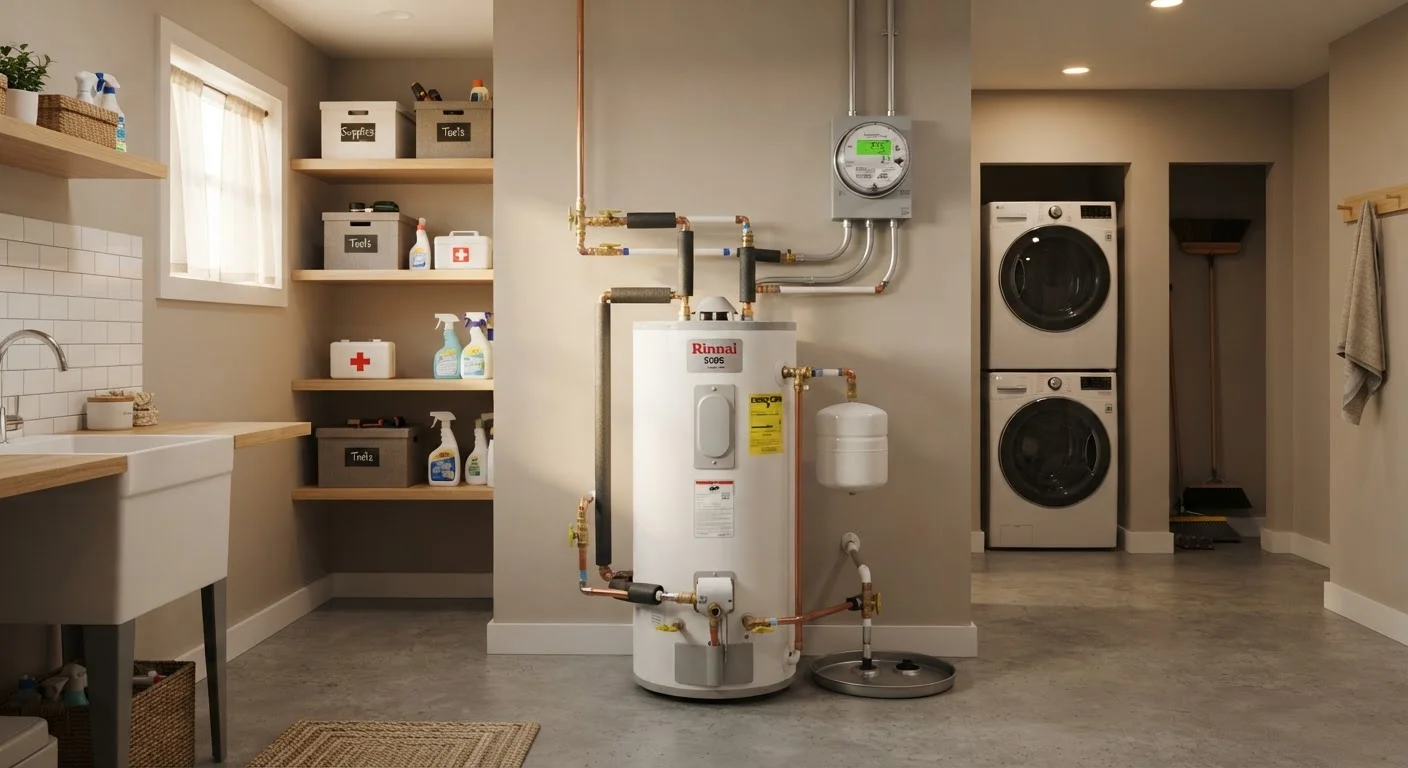
Photo: InsightsVault.com | Interesting Daily Reads editorial
Key Takeaways
- Water heating typically accounts for roughly 14-18% of a home's total energy use.
- Storage tank heaters lose energy around the clock through standby heat loss, even when no hot water is being drawn.
- Lowering your water heater thermostat to 120°F is a simple, no-cost adjustment that reduces both energy use and scalding risk.
- Low-flow fixtures and efficient habits can cut hot water consumption significantly without sacrificing comfort.
- Insulating older tank heaters and hot water pipes reduces standby loss and is a low-cost DIY task.
- Heat pump water heaters are substantially more efficient than standard electric resistance models, though upfront cost is higher.
Why Water Heating Deserves More Attention
Most homeowners focus energy-saving efforts on heating and cooling, and for good reason - HVAC is the largest single energy expense in most homes. But water heating quietly sits in second or third place, accounting for roughly 14-18% of total household energy use according to the U.S. Department of Energy. That's a meaningful slice of every utility bill, and unlike space heating, it doesn't let up seasonally. You're paying to heat water every day of the year.
What makes water heating particularly costly is the combination of high daily demand and constant standby loss. A conventional storage tank heater keeps 40-80 gallons of water hot around the clock. Even when nobody is showering or running the dishwasher, the heater cycles on periodically just to maintain temperature - a process called standby heat loss. For an aging or poorly insulated tank, this background energy draw adds up steadily. See our guide to reading your utility bill for help identifying where these costs appear in your usage data.
14-18%
Share of home energy used for water heating
According to the U.S. Department of Energy, water heating is among the largest individual energy expenses in a typical American home.
120°F
Recommended water heater thermostat setting
The U.S. Department of Energy recommends this temperature to balance safety, comfort, and energy efficiency.
3-5%
Estimated savings per 10°F thermostat reduction
Lowering your water heater temperature from 140°F to 120°F can reduce water heating energy costs by an estimated 6-10%.
60-70%
Less electricity used by heat pump water heaters
Heat pump water heaters are estimated to use significantly less electricity than standard electric resistance tank models, per U.S. Department of Energy data.
The Main Drivers of High Water Heating Costs
Understanding what pushes water heating costs up makes the solutions obvious. Four factors dominate:
- Thermostat setting: Many water heaters ship with the thermostat set to 140°F - hotter than necessary for most household tasks and meaningfully more expensive than the recommended 120°F. Each 10°F reduction in thermostat temperature is estimated to save 3-5% on water heating energy costs.
- Household size and usage volume: More people means more showers, more laundry, and more dishwashing. A four-person household uses substantially more hot water than a two-person one, and the heater cycles more frequently to keep up.
- Heater age and type: Older electric resistance tank heaters are among the least efficient options. A heat pump water heater moves heat rather than generating it, using roughly 60-70% less electricity than a standard electric tank model.
- Pipe and tank insulation: Heat escapes through tank walls and through long runs of uninsulated hot water pipe before the water even reaches the faucet. In older homes especially, this can be substantial.
For a broader look at how these factors interact with your overall utility costs, the complete year-round home energy roadmap covers the full picture across seasons.
Check Your Thermostat Before Anything Else
Practical Steps That Actually Move the Needle
The most impactful changes are often the least expensive. Start with the no-cost adjustments before considering equipment upgrades.
Immediate, no-cost actions
- Lower the thermostat to 120°F. Locate the thermostat dial on your tank (usually behind an access panel) and turn it down if it's set above 120°F. This single change reduces standby loss and cuts scalding risk simultaneously.
- Fix hot water leaks promptly. A dripping faucet wastes heated water continuously. Our guide to stopping a running toilet illustrates how seemingly minor water leaks compound into real costs.
- Adjust your habits. Shorter showers, running the dishwasher only when full, and washing clothes in cold water all reduce hot water demand. The habits that move the energy needle covers which behavioral changes deliver measurable results.
Low-cost improvements
- Insulate exposed hot water pipes - particularly the first several feet leaving the tank. Pre-slit foam pipe insulation is inexpensive and straightforward to install.
- Add a tank insulating blanket to older units with a low factory insulation rating. Check the manufacturer guidance first; newer tanks are already well-insulated and may not benefit.
- Install low-flow showerheads. Modern low-flow models deliver satisfying pressure while using significantly less hot water per minute than older fixtures.
Longer-term equipment decisions
If your water heater is approaching the end of its useful life (typically 8-12 years for tank models), replacement is an opportunity rather than just an expense. Heat pump water heaters offer substantially better efficiency than standard electric resistance models. Tankless (on-demand) heaters eliminate standby loss entirely. Both options involve higher upfront costs, so it's worth comparing the estimated energy savings against your household's actual usage before deciding. This is general information - consult a licensed plumber for advice specific to your home's setup and local codes.
Fitting Water Heating Into Your Broader Energy Strategy
Water heating doesn't operate in isolation. Heat loss from poorly insulated pipes runs through the same walls as your space heating system. If your home has significant air leaks or insulation gaps - common heat-loss points detailed in our breakdown of where heat escapes a typical home - addressing those issues can complement water heating improvements by keeping overall home temperatures more stable.
Similarly, if you've noticed your energy bills climbing in colder months beyond what space heating alone explains, water heating efficiency often degrades further in winter as incoming cold water temperatures drop and the heater works harder to reach the set point. Our article on why heating bills spike in winter covers this interaction in more detail.
The core principle is straightforward: water heating is a large, consistent expense that responds well to relatively modest adjustments. Starting with the thermostat setting and addressing leaks costs nothing and delivers immediate results. From there, insulation improvements and eventual equipment upgrades can extend those savings further. If you're new to energy efficiency as a whole, getting started with home energy efficiency provides a useful starting framework for prioritising where to focus first.
This article provides general information about residential water heating and energy use. It is not a substitute for advice from a licensed plumber or energy auditor familiar with your home's specific systems and local building codes.
Frequently Asked Questions
The content provided on our blog site traverses numerous categories, offering readers valuable and practical information. Readers can use the editorial team’s research and data to gain more insights into their topics of interest. However, they are requested not to treat the articles as conclusive. The website team cannot be held responsible for differences in data or inaccuracies found across other platforms. Please also note that the site might also miss out on various schemes and offers available that the readers may find more beneficial than the ones we cover.