
Why Your Online 'Deal' Sometimes Costs More Than the Store Price

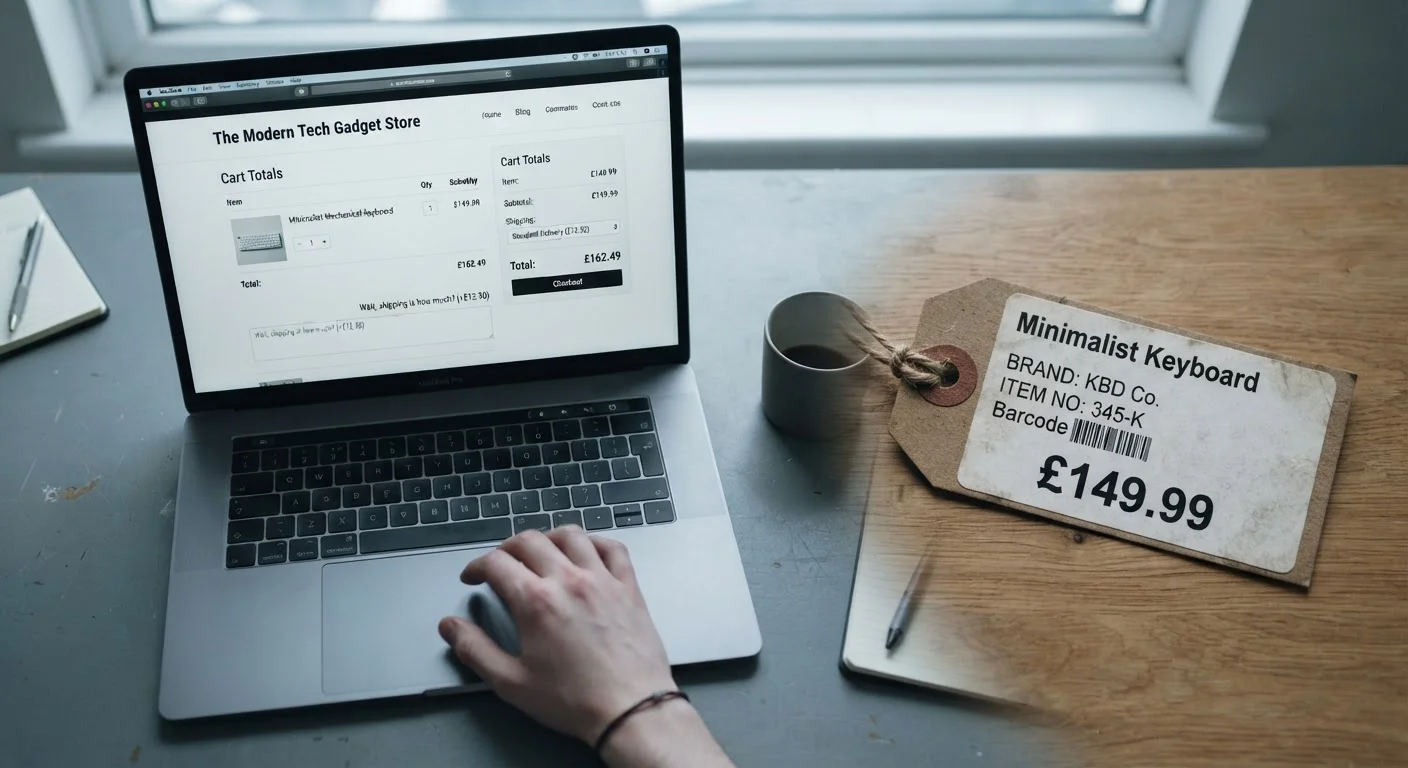
Photo: InsightsVault.com | Interesting Daily Reads editorial
Key Takeaways
- Dynamic pricing means the same product can cost more online than in-store on any given day.
- Shipping fees, return costs, and platform surcharges can quietly erase apparent online savings.
- Comparing total landed cost - not just the listed price - is the only reliable way to evaluate a deal.
- Retailers adjust online prices based on browsing history, location, and demand signals.
- Price-match policies at physical stores can sometimes deliver the online price without the online fees.
How Online Pricing Actually Works
Online retail feels transparent - prices are right there on the screen. But the number displayed when you land on a product page is rarely the complete story. Platforms use dynamic pricing algorithms that adjust based on demand signals, competitor data, time of day, and available inventory. The same item can legitimately cost more on a Tuesday afternoon than it did Sunday morning.
Beyond algorithmic shifts, the channel itself adds cost layers that don't exist in a physical store. Marketplace sellers pay platform fees that can be passed to buyers through slightly inflated base prices. Expedited shipping options, membership requirements for free delivery, and sales tax applied at checkout all move the real number upward. What actually changes the price you pay explores these mechanics in full.
None of this means online shopping is a bad choice - it means uncritical online shopping is. The goal is to compare total landed cost: everything you pay from click to delivery, including what it would cost to return the item if necessary.
The Listed Price Is Not Your Final Cost
Mistakes That Turn 'Deals' Into Overpaying
The errors below aren't about carelessness - they're about how retail environments are designed to short-circuit careful comparison. Knowing the patterns is the first step to avoiding them.
Comparing the online listed price directly to the in-store shelf price without accounting for shipping and fees.
Assuming that a price marked down from a 'was' figure is genuinely cheaper than the store alternative.
Ignoring the cost and friction of online returns when buying items that typically require a fit or quality check.
Taking a product's online price at face value without checking whether it has fluctuated recently due to dynamic pricing.
Overlooking the in-store price-match option when an online price appears lower.
For a broader look at where online savings assumptions break down, things people get wrong about online shopping savings is worth reading alongside this.
Your Browsing History Can Work Against You
Building a Quick Pre-Purchase Checklist
A consistent habit takes less than two minutes and consistently catches the situations where the 'deal' isn't one:
- Calculate the total: Add shipping, taxes, and any platform fees to the listed price before comparing.
- Check price history: Use a price-tracking tool to confirm the item is actually near a low, not a recent high.
- Read the return policy: Confirm whether return shipping is covered and whether any restocking fee applies.
- Look up the in-store price: Even if buying online seems logical, a quick store check - or a price-match request - can save money without the wait. See reading the true cost of a purchase for a fuller framework.
- Check for bundling traps: If a deal only applies when you buy multiple items or subscribe, evaluate whether you actually need all components. Subscription and bundle cost traps explains where these most often inflate spending.
~23%
Online shoppers unaware of dynamic pricing
Consumer research has consistently found that a significant share of online shoppers do not realize product prices can change multiple times within a single day on major platforms.
Up to 15%
Return shipping cost as share of item price
Depending on the seller and product category, return shipping and restocking fees can represent a meaningful portion of an item's purchase price, per retail industry analyses.
The consistent finding across consumer research is straightforward: channel loyalty doesn't save money - price literacy does. Applying the same scrutiny to an online cart that you'd apply to a store shelf is the simplest habit that pays off repeatedly.
The content provided on our blog site traverses numerous categories, offering readers valuable and practical information. Readers can use the editorial team’s research and data to gain more insights into their topics of interest. However, they are requested not to treat the articles as conclusive. The website team cannot be held responsible for differences in data or inaccuracies found across other platforms. Please also note that the site might also miss out on various schemes and offers available that the readers may find more beneficial than the ones we cover.