
How Unit Pricing Works - and Why Ignoring It Costs You

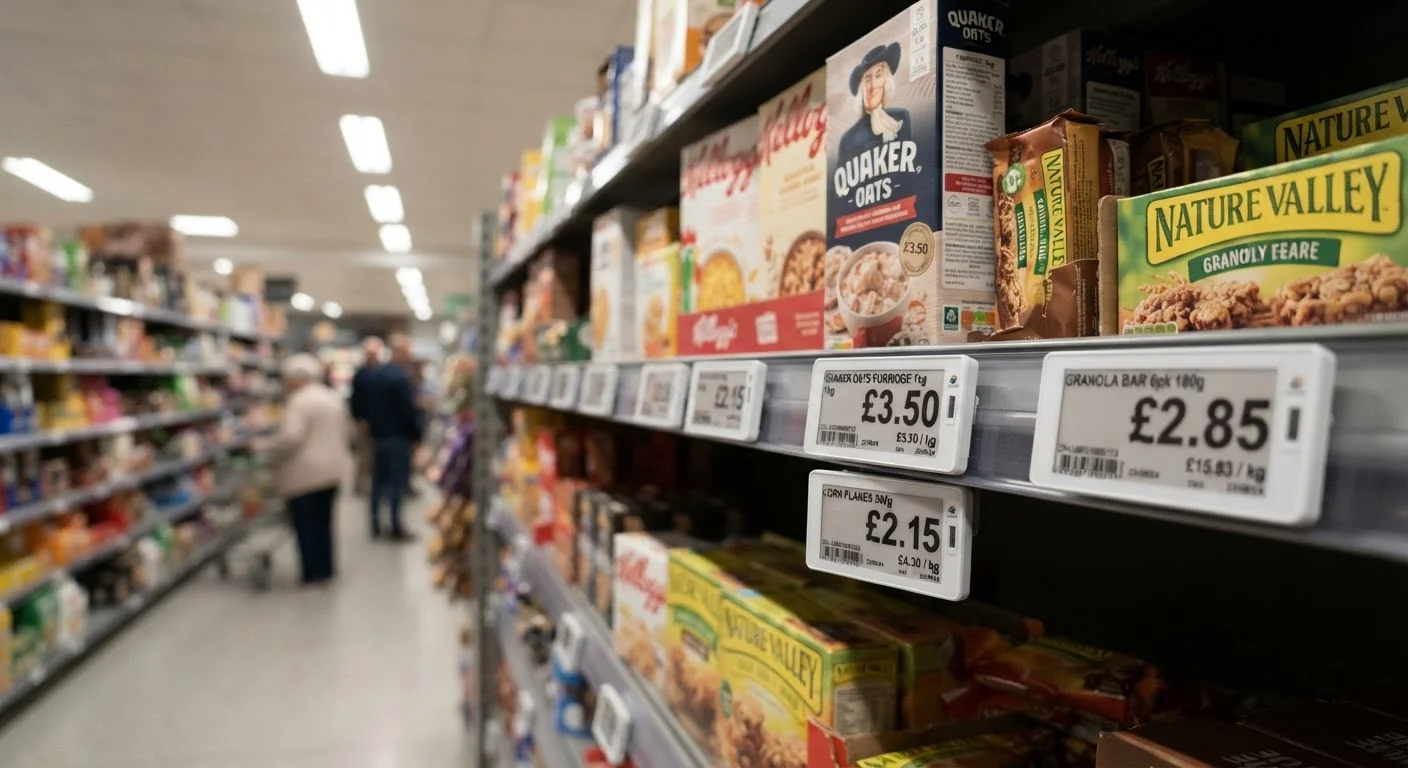
Photo: InsightsVault.com | Interesting Daily Reads editorial
Key Takeaways
- Unit pricing shows cost per standard unit, making size-to-size comparisons straightforward.
- The unit price label is usually the small number on the bottom of a shelf tag.
- Bigger packages do not always have a lower unit price - it depends on the product.
- Consistent use of unit pricing can add up to meaningful savings over a full year of grocery shopping.
- Unit pricing works in-store and is increasingly available on grocery websites and apps.
What Unit Pricing Actually Tells You
When you pick up two boxes of oatmeal - one priced at $3.49 and one at $4.99 - it seems obvious which is cheaper. But if the $3.49 box holds 18 oz and the $4.99 box holds 42 oz, the larger box actually costs less per serving. That is exactly the gap unit pricing is designed to close.
The unit price reduces every product to a common denominator: cost per ounce, cost per sheet, cost per tablet, or whatever measure fits the category. This single number makes it possible to compare a store brand against a name brand, a regular size against a bulk size, or a sale item against its everyday-price competitor - all on a fair, apples-to-apples basis.
Most shelf tags in US grocery stores already display this number. It is typically the smaller figure at the bottom or corner of the price label, expressed in a format like $0.19/oz or $0.04/ct. Knowing what to look for is more than half the battle.
~$312
Estimated annual loss from skipping unit price checks
Based on a household overpaying $0.30 per item across roughly 20 purchases per week - a modest but plausible scenario for a typical US grocery shopper.
30+
US states with some form of unit pricing requirement
State-level regulations vary significantly in scope, covered categories, and enforcement; shoppers should not assume unit prices are always displayed.
Why Most Shoppers Skip It - and What It Costs Them
Unit pricing is one of the most underused tools available to everyday grocery shoppers. Part of the reason is presentation: retailers are not legally required to make unit prices prominent, so they are often displayed in small type that blends into the shelf edge. But a bigger factor is habit - when shoppers are moving quickly through a store, total package price is the number that jumps out.
Retailers also benefit from pricing complexity. A store might offer three sizes of the same pasta sauce at price points that make the middle size seem like the safe, reasonable choice - even when the smallest size has the lowest unit cost that week. This tactic is related to how anchoring and tiered pricing shape perceptions of value. Understanding how retailers use anchoring helps you spot when package sizing is doing more marketing than math.
The missed savings are real but quiet. A household that overpays by even $0.30 per item across 20 weekly grocery purchases loses around $312 per year - not from extravagance, but simply from not comparing unit prices.
How to Build the Unit Price Habit
The good news is that applying unit pricing does not require a calculator app or extra time - just a brief shift in attention at the shelf.
- Look for the unit price first. Before registering the total price, scan the bottom of the label for the per-unit figure. Most stores display it consistently once you know where to look.
- Compare the same unit type. If one label shows cost per ounce and another shows cost per pound, convert before comparing (divide the per-pound price by 16 to get per-ounce). Comparing mismatched units produces misleading results.
- Check sales items carefully. A sale price does not automatically mean a lower unit price. Verify rather than assume.
- Apply it online too. When ordering groceries for delivery or pickup, unit prices are often displayed in the product listing. If not, the total price divided by the number of units gives you the same figure. This is especially relevant when weighing whether online versus in-store shopping offers better value for specific categories.
A Quick Mental Shortcut
Once unit price comparison becomes automatic, it extends naturally to decisions about bulk buying. For a closer look at when larger packages genuinely win, see unit pricing vs. pack pricing.
Small Habit, Meaningful Annual Impact
Unit pricing is not a dramatic money hack. It is a small, consistent discipline - the kind that compounds quietly over hundreds of shopping trips. Shoppers who make it a default behavior tend to naturally gravitate toward store brands when they genuinely offer better value, avoid upsizing purely out of habit, and resist promotional packaging that implies savings without delivering them.
The key insight is that supermarkets are built to move product efficiently, not to help you spend less. Unit pricing is one of the few tools built into the system that works in the shopper's favor - if you use it. Treating it as your default comparison method, rather than an occasional check, is what turns a minor awareness into a consistent financial habit.
This article is for general informational and educational purposes only and does not constitute financial or shopping advice tailored to your individual circumstances.
Frequently Asked Questions
The content provided on our blog site traverses numerous categories, offering readers valuable and practical information. Readers can use the editorial team’s research and data to gain more insights into their topics of interest. However, they are requested not to treat the articles as conclusive. The website team cannot be held responsible for differences in data or inaccuracies found across other platforms. Please also note that the site might also miss out on various schemes and offers available that the readers may find more beneficial than the ones we cover.