
Sinking Funds Explained: Saving for Predictable Irregular Expenses

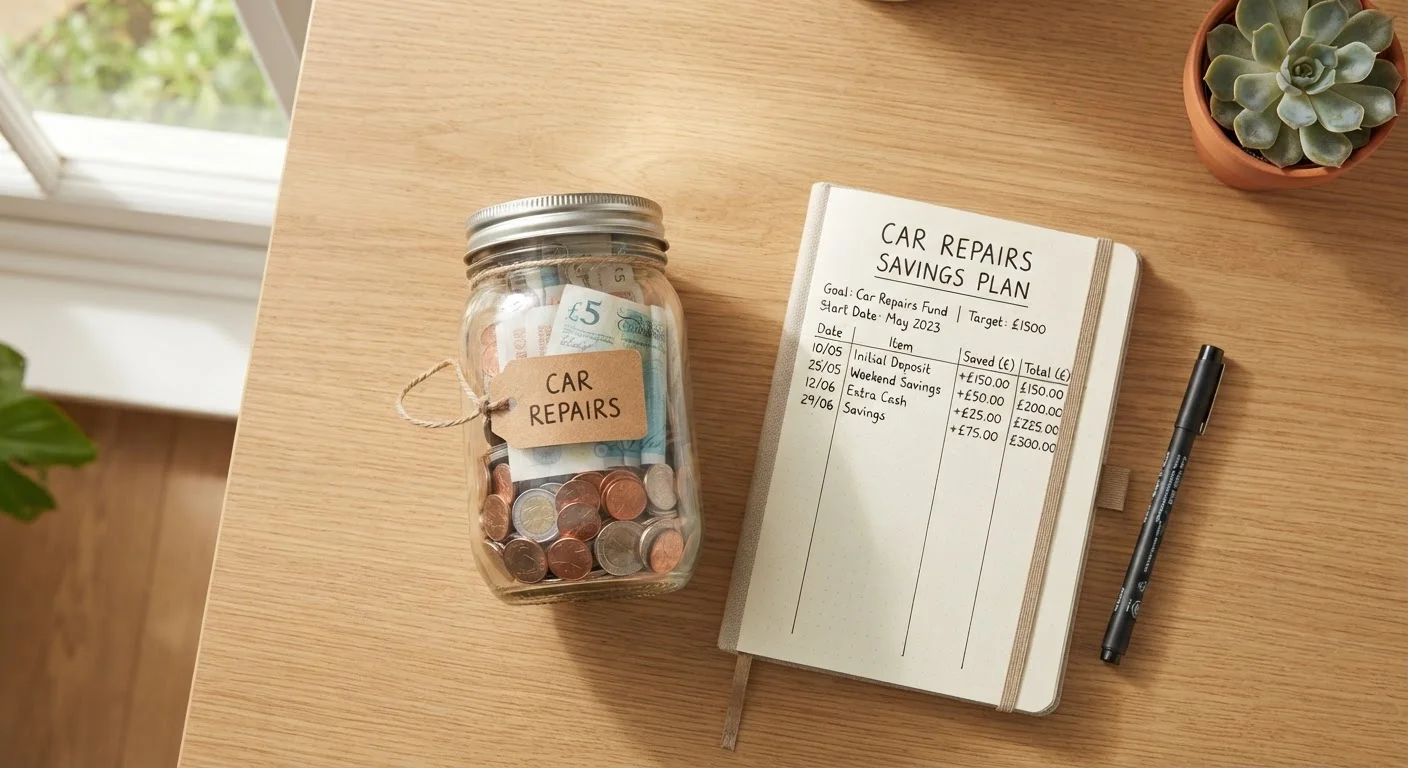
Photo: InsightsVault.com | Interesting Daily Reads editorial
Key Takeaways
- Sinking funds prevent predictable irregular expenses from derailing your monthly budget.
- You divide a known future cost by the months available and save that fixed amount monthly.
- Common sinking fund categories include car maintenance, insurance premiums, holidays, and home repairs.
- Keeping each sinking fund in a separate account or labeled sub-account reduces the temptation to spend it.
- Sinking funds and emergency funds serve different purposes - you need both.
Why Predictable Expenses Still Catch People Off Guard
Car registration. Holiday gifts. Annual insurance premiums. Quarterly pest control. These costs aren't mysteries - most people know they're coming. Yet they still land like surprises because they don't appear on any given month's regular bills. When they hit, the money often comes from wherever it happens to be: an emergency fund, a credit card, or simply doesn't get paid on time.
The underlying problem isn't awareness - it's the absence of a plan that accounts for how money needs to be distributed across time. A sinking fund solves exactly that. It converts a future lump-sum cost into a series of small, painless monthly contributions so the money exists the moment you need it.
This approach is a core element of realistic budgeting. If you're building or refining your overall spending plan, the Budgeting Basics hub covers the broader framework these tools fit into.
How to Set Up a Sinking Fund in Four Steps
Setting up a sinking fund doesn't require special software or a financial adviser. The math is straightforward and the process can be repeated for any number of expense categories.
~$400
What many Americans can't cover from savings alone
Federal Reserve surveys have consistently found that a meaningful share of U.S. adults would struggle to cover an unexpected $400 expense without borrowing or selling something.
12+
Common sinking fund categories for a typical household
Personal finance educators often identify more than a dozen recurring irregular expenses - from vehicle maintenance and medical copays to annual subscriptions and home repairs - that benefit from dedicated sinking funds.
- Identify the expense. Name the specific cost - not just "car stuff" but "annual car registration" or "fall tire changeover." Specificity makes the goal real.
- Estimate the total amount. Use last year's bill, a quote, or a conservative estimate. When unsure, round up slightly to give yourself a cushion.
- Count the months remaining. How many months until the expense is due? Divide the total cost by that number to find your monthly contribution.
- Open a dedicated account or sub-account. Many banks and credit unions allow you to label savings buckets within one account. Keep each sinking fund visually separate from your everyday money to prevent accidental spending.
Once established, automating the monthly transfer makes the system nearly effortless. The article on automating your savings without derailing your budget offers practical guidance on structuring those transfers around your actual cash flow.
Name Every Fund Specifically
Sinking Funds vs. Emergency Funds: A Critical Distinction
These two tools are frequently confused, and the confusion matters. An emergency fund exists for costs you cannot predict - a sudden medical bill, an unexpected layoff, a home appliance that fails without warning. It should remain untouched until a genuine emergency occurs.
A sinking fund covers costs you can predict but that don't occur monthly. Draining your emergency fund every time your car needs a brake job leaves you exposed when something truly unpredictable happens. Sinking funds protect your emergency fund by giving irregular-but-known expenses their own dedicated pool.
For a fuller breakdown of how these two strategies complement each other, see Emergency Fund vs. Sinking Fund: Understanding the Difference. And for guidance on keeping your emergency savings insulated from daily spending, the article on keeping emergency savings separate from everyday accounts is a practical companion read.
“The goal of a budget isn't to restrict your life - it's to give every dollar a job before the month begins. Sinking funds are how you give irregular expenses a job before they become crises.”
— Jesse Mecham, Personal finance author and founder of the YNAB budgeting methodology
This article is for general informational purposes only and does not constitute personalised financial advice. Consult a qualified financial professional for guidance specific to your situation.
Frequently Asked Questions
The content provided on our blog site traverses numerous categories, offering readers valuable and practical information. Readers can use the editorial team’s research and data to gain more insights into their topics of interest. However, they are requested not to treat the articles as conclusive. The website team cannot be held responsible for differences in data or inaccuracies found across other platforms. Please also note that the site might also miss out on various schemes and offers available that the readers may find more beneficial than the ones we cover.