
Flight Fare Alerts Explained: How Price-Watch Tools Work and When to Trust Them

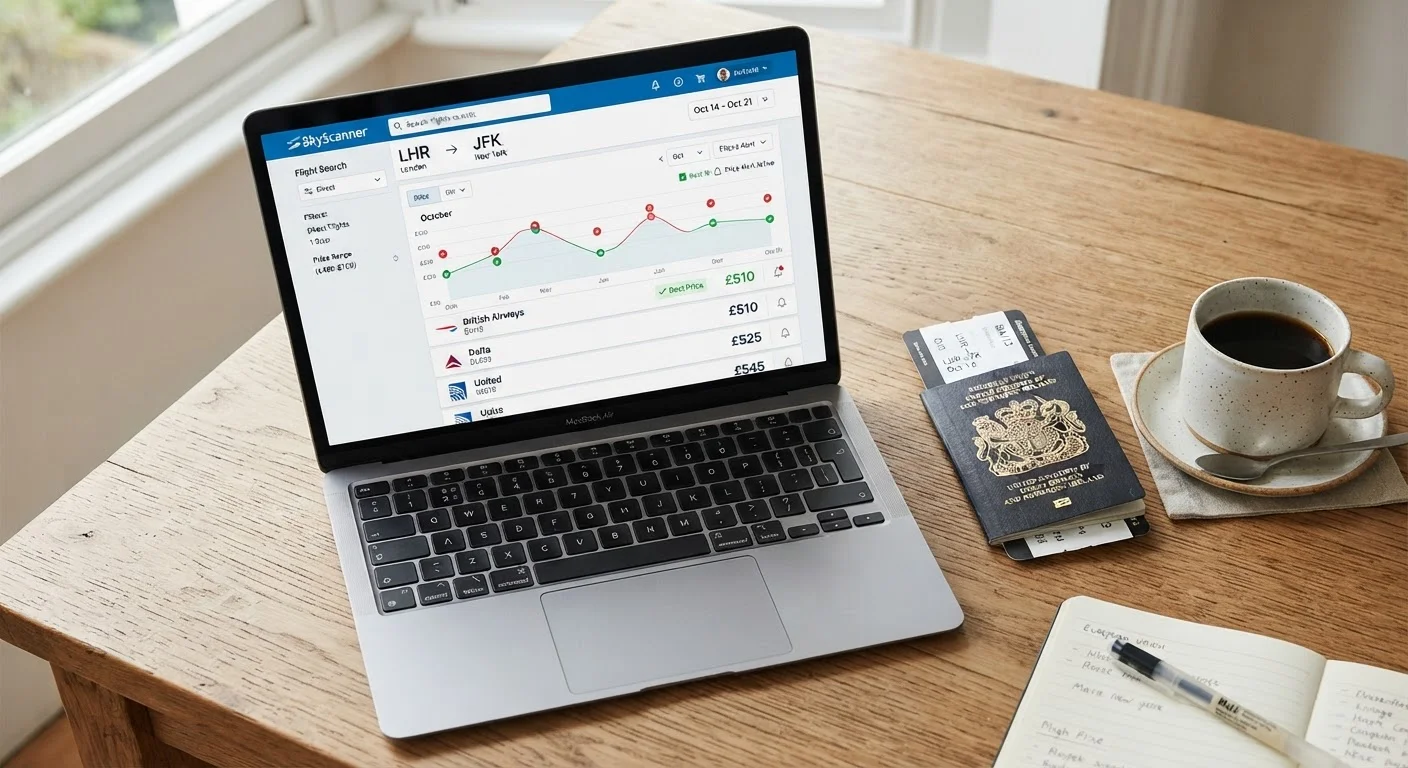
Photo: InsightsVault.com | Interesting Daily Reads editorial
Key Takeaways
- Fare alerts notify you of price changes on a route but do not guarantee the price will still be available when you try to book.
- Most tools check fares every few hours, not in real time, so alerts can lag behind actual market conditions.
- Setting a realistic target price - based on historical fare data for that route - makes alerts far more useful.
- Alerts work best as one tool among several, not as a substitute for understanding how airfare pricing works.
- Different platforms have access to different fare inventories, so using more than one alert tool increases coverage.
- Flexible travelers get the most value from alerts; rigid date requirements reduce their effectiveness significantly.
What Fare Alert Tools Actually Do
Fare alert tools are straightforward in concept: you tell the platform which route you want to watch, and it monitors publicly accessible fare data and notifies you when prices move. In practice, most tools are checking fares on a scheduled crawl - every few hours rather than every few minutes - which creates a meaningful gap between when a fare appears in the market and when you hear about it.
Understanding that gap is critical. When an alert lands in your inbox saying the fare to Denver dropped to $189, that price may have been available for two hours before the tool detected it and sent the notification. By the time you open the email and click through, the available seats at that price could be gone - particularly on popular routes where fare buckets sell quickly.
This doesn't make alerts useless. It means you need to treat them as a signal to act fast, not as a reservation. The moment an alert is useful is the moment you respond to it - not an hour later. For context on why prices move as quickly as they do, see how airlines set and change fares.
Why Not All Alerts Are Created Equal
The reliability of a fare alert depends heavily on where the tool pulls its data. Some platforms access fares through Global Distribution Systems - the same databases used by travel agents - while others scrape airline websites directly. Neither approach captures everything: airlines increasingly offer exclusive fares only through their own booking channels, which may not appear in any third-party alert system.
Coverage also varies by route type. Budget carriers in particular often don't participate in GDS feeds at all, meaning their fares may not show up in tools that rely primarily on GDS data. If a significant portion of flights on your preferred route operate on carriers that distribute fares outside the main aggregator networks, your alerts will have blind spots.
~3-4 hrs
Typical fare data refresh interval for alert tools
Most fare tracking platforms crawl or update pricing data every few hours rather than in real time, creating a lag between market changes and user notifications.
6-9 months
Optimal lead time for international fare alerts
Travel industry analysts generally observe the widest price windows on international routes when monitoring begins six to nine months before departure.
15-25%
Suggested target below average fare
Setting an alert threshold in this range below the route's historical average balances the likelihood of the alert firing with meaningful savings potential.
The practical fix is to set alerts across more than one platform. This broadens your data coverage without requiring extra effort on your end - once alerts are configured, they run passively. For guidance on how direct-airline booking compares to third-party search, direct vs. search engine booking walks through the tradeoffs clearly.
Setting a Target Price That's Actually Realistic
The most common mistake travelers make with fare alerts is setting a target price based on what they want to pay rather than what the route historically costs. If the typical economy fare between New York and Los Angeles has ranged between $220 and $380 over the past year, setting an alert for $150 will rarely trigger - and when it does, it may indicate a flash error fare that disappears within minutes.
Most alert tools display some form of historical price data or a "typical price" range for the route. Use that data to set a threshold roughly 15-25% below the current average fare. This keeps alerts actionable: low enough to represent real savings, high enough to actually fire. Pairing alerts with date grid tools lets you cross-reference whether a cheaper date window exists that you hadn't considered.
Act Within Minutes, Not Hours
When Fare Alerts Work Best - and When to Rely on Something Else
Alerts deliver the most value when three conditions are present: you have a defined route in mind, your travel dates are at least somewhat flexible, and you're planning far enough ahead that meaningful price movement is still possible. For domestic US trips, that typically means monitoring starting three to six months out. For international routes, six to nine months gives you more data to work with.
When flexibility isn't available - fixed dates for a wedding, a conference, or a school break - alerts still inform you, but they lose their main advantage. You can't wait for a better fare that may never come on that specific date. In those situations, alerts are useful for confirming whether a fare is currently above or below average, but you'll likely need to book based on current pricing rather than waiting for a drop.
Fare alerts also fit naturally into the broader habits that budget-conscious travelers develop over time. If you want to see how alerts slot into a complete flight-booking approach, the habits of travelers who rarely overpay covers the full picture. And for a more comprehensive end-to-end booking strategy, the complete playbook for affordable flights is worth bookmarking.
Frequently Asked Questions
The content provided on our blog site traverses numerous categories, offering readers valuable and practical information. Readers can use the editorial team’s research and data to gain more insights into their topics of interest. However, they are requested not to treat the articles as conclusive. The website team cannot be held responsible for differences in data or inaccuracies found across other platforms. Please also note that the site might also miss out on various schemes and offers available that the readers may find more beneficial than the ones we cover.