
Common Misconceptions About What Car Ownership Costs

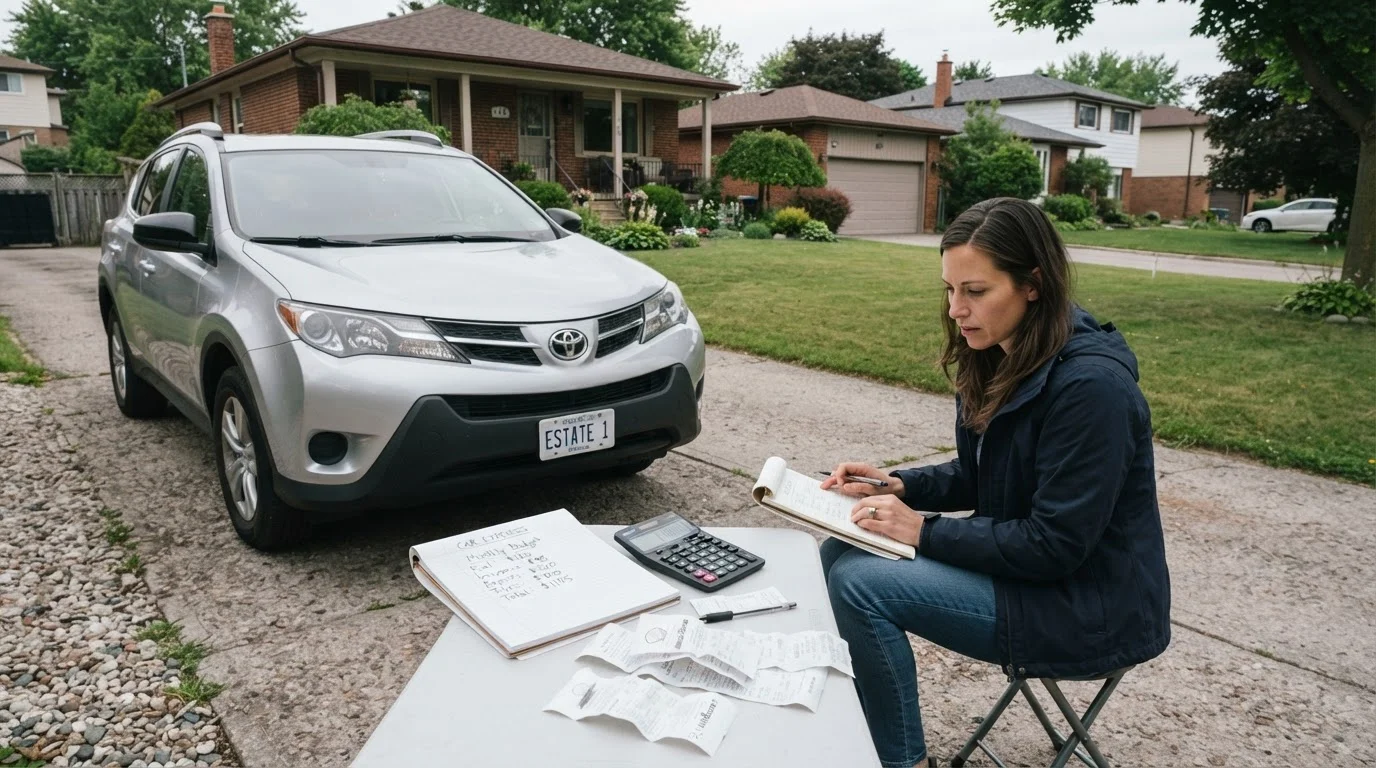
Photo: InsightsVault.com | Interesting Daily Reads editorial
Key Takeaways
- The monthly payment covers only a fraction of what a car actually costs to own.
- Depreciation is typically the single largest ownership expense, yet it's rarely discussed at purchase.
- Insurance, fuel, and maintenance costs vary widely and are often significantly underestimated.
- Newer vehicles can carry lower repair costs but higher insurance and depreciation expenses.
- A complete ownership budget should account for at least seven distinct cost categories.
Why Drivers Keep Getting the Numbers Wrong
Most people focus on the monthly loan or lease payment when deciding whether they can afford a car. That single number feels concrete and manageable - but it can represent less than half of what the vehicle actually costs each month when everything is factored in. Persistent myths about car ownership costs cause drivers to underfund their budgets, get caught off guard by expenses, and sometimes make vehicle choices they later regret.
The true annual cost of owning a car routinely surprises owners who have only been tracking their payment. Understanding which assumptions are wrong - and why - is the first step toward building a budget that actually holds.
Myth
The monthly payment is what a car costs me.
Fact
The monthly payment covers only principal and interest on the loan - it excludes insurance, fuel, maintenance, registration, and depreciation.
According to AAA's annual Your Driving Costs study, the average annual cost of owning and operating a new vehicle in the U.S. has consistently exceeded $10,000 when all expense categories are included. The loan payment often accounts for roughly 40-50% of that total. Drivers who budget only for the payment routinely find themselves short when insurance renews, tires wear out, or a routine service comes due.
Myth
New cars are cheaper to own because they don't break down.
Fact
New vehicles carry significantly higher insurance premiums and depreciate fastest in their first few years, which can outweigh lower repair costs.
A new car typically loses around 15-20% of its value in the first year of ownership, according to data from Edmunds and the Insurance Information Institute. By year five, many vehicles have lost 50-60% of their original purchase price. Meanwhile, comprehensive and collision coverage - required by most lenders - costs more on newer, higher-value vehicles. The reduced repair bill is real, but it rarely offsets these other elevated costs for the first several years.
Myth
Depreciation isn't a real cost because I still own the car.
Fact
Depreciation is a real economic loss - it reduces the asset's value regardless of whether you sell the vehicle.
When you eventually sell or trade in a vehicle, you receive only what it is worth at that moment, not what you paid. The gap between purchase price and resale value represents wealth that has left your household. For many owners, depreciation is the single largest ownership cost - often exceeding combined spending on fuel and maintenance. Treating it as invisible leads to serious underestimation of total ownership expense. See the complete financial overview of car ownership and repair costs for a fuller picture.
Myth
My insurance rate is set - it won't change unless I have an accident.
Fact
Insurers adjust premiums at renewal based on your credit score, local claim trends, vehicle age, and broader market factors, even without any change in your driving record.
Industry data from the National Association of Insurance Commissioners shows that rate-setting is influenced by ZIP-code-level loss trends, repair cost inflation, and reinsurance costs - factors entirely outside your control. A clean driving record reduces your individual risk profile but does not insulate you from market-wide rate increases. Shopping your policy at renewal is one of the few levers drivers can pull to counteract this dynamic.
Myth
Skipping optional maintenance saves money.
Fact
Deferring scheduled maintenance - such as fluid changes, filter replacements, and brake inspections - typically increases long-term repair costs and can shorten vehicle lifespan.
What manufacturers label as 'optional' in extended service intervals is based on average driving conditions. Stop-and-go urban driving, extreme temperatures, and towing all accelerate wear and make shorter intervals appropriate. A deferred $80 transmission fluid change can contribute to a transmission failure costing several thousand dollars. Maintenance spending is generally the most controllable ownership cost - skipping it trades a small known expense for a larger unpredictable one.
The Costs That Quietly Accumulate
Beyond the myths, there are structural reasons why ownership costs stay hidden. Depreciation never appears on a bank statement. Fuel spending blends into everyday debit card transactions. Maintenance feels voluntary until something breaks. Insurance renews quietly each year, often with modest increases that individually seem trivial but compound over time.
$10,000+
Average annual new-vehicle ownership cost
AAA's Your Driving Costs study has reported average annual costs above $10,000 for new vehicles when depreciation, insurance, fuel, and maintenance are combined.
~20%
First-year depreciation on a new car
New vehicles typically lose 15-20% of their purchase price within the first 12 months of ownership, according to Edmunds vehicle valuation data.
50-60%
Value lost by year five
Many vehicles lose more than half their original purchase price within five years, making depreciation the dominant lifetime cost for many owners.
Fuel costs are a particularly underappreciated variable. Pump prices shift with crude oil markets, seasonal blends, regional taxes, and driving patterns - making annual fuel spending genuinely difficult to forecast. Our breakdown of why fuel costs are harder to predict than most owners expect explores those factors in depth.
Repair and maintenance costs carry their own set of myths. Assumptions about dealer pricing, aftermarket parts, and newer vehicles being trouble-free regularly lead drivers to overpay or underprepare. The repair cost myths that lead car owners to overpay are worth examining alongside the broader ownership picture.
Budget for All Seven Cost Categories
Bringing all of these costs into one place - and looking at strategies for managing them - is the goal of resources like the guide to keeping ownership costs under control without cutting safety corners. Insurance strategies also deserve dedicated attention; the Fuel & Insurance hub covers approaches to reducing these recurring expenses.
This article provides general financial information for educational purposes and does not constitute personalized financial or legal advice. For decisions specific to your situation, consider consulting a qualified financial professional.
The content provided on our blog site traverses numerous categories, offering readers valuable and practical information. Readers can use the editorial team’s research and data to gain more insights into their topics of interest. However, they are requested not to treat the articles as conclusive. The website team cannot be held responsible for differences in data or inaccuracies found across other platforms. Please also note that the site might also miss out on various schemes and offers available that the readers may find more beneficial than the ones we cover.