
Tyre Costs: The Recurring Expense Most Budgets Underestimate

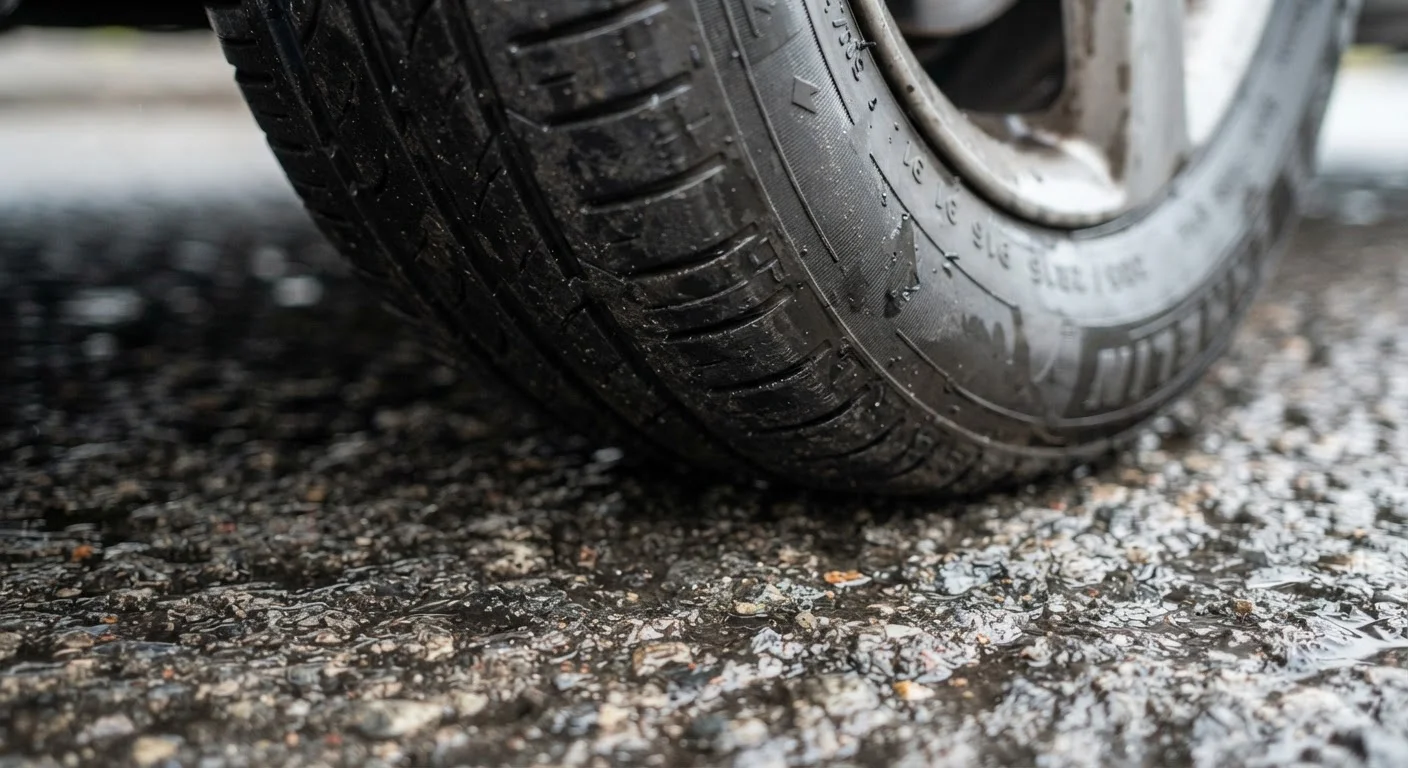
Photo: InsightsVault.com | Interesting Daily Reads editorial
Key Takeaways
- Most drivers need a full set of replacement tyres every three to six years, depending on mileage and driving style.
- A full set of four tyres typically costs between $400 and $1,000 installed, excluding high-performance or specialty sizes.
- Rotation, alignment, and proper inflation extend tyre life significantly and lower your per-year cost.
- Budget approximately $150-$250 per year as a tyre sinking fund to avoid lump-sum sticker shock.
- Tyre costs vary widely by vehicle class - trucks, SUVs, and performance cars cost noticeably more than economy sedans.
Why Tyres Catch Most Budgets Off Guard
Ask someone to list their monthly car costs and you'll hear: loan payment, insurance, fuel, maybe an oil change. Tyres rarely make the list - even though a full set replacement can run $500 to $1,000 or more. The reason is timing. Tyres don't wear out every month; they wear out every few years, making them easy to mentally file under "someday" rather than "budget line."
That lump-sum surprise is the core problem. When a tyre blows out or an inspection flags dangerously low tread, the cost hits all at once with little warning. Spreading that expense across the years between replacements - treating it like a monthly sinking fund - turns a financial shock into a manageable, predictable outlay.
For a fuller picture of where tyres fit within your total vehicle costs, see The True Annual Cost of Owning a Car.
What Determines How Long Your Tyres Last
Tyre lifespan is not fixed - it's the product of several interacting factors:
- Tyre type and quality: All-season tyres on an economy car might last 40,000-50,000 miles. Performance tyres on a sports car may be rated for 20,000 miles or fewer. Truck and SUV tyres sit in a wide range depending on load rating and compound.
- Inflation: Underinflated tyres flex more, build heat, and wear unevenly. The US Department of Transportation estimates underinflation is a factor in a significant share of tyre-related incidents. Checking pressure monthly takes two minutes and costs nothing.
- Wheel alignment: Misaligned wheels cause one shoulder of the tyre to scrub against the road, destroying tread rapidly. An alignment check - typically $60-$100 - can save far more than it costs.
- Driving style: Hard braking, fast cornering, and frequent highway driving all accelerate wear in measurable ways.
- Road conditions: Potholes, rough pavement, and debris cause physical damage beyond ordinary wear.
Set a Monthly Tyre Savings Target
Skipping tyre rotations is one of the quietest ways to inflate your long-term tyre spend. See The Real Cost of Skipping Routine Car Maintenance for more on how deferred upkeep compounds over time.
Real Cost Ranges by Vehicle Type
Tyre pricing varies significantly by vehicle class. These are general installed-cost ranges - actual prices depend on brand, fitment, and local labor rates:
| Vehicle Type | Typical Set of 4 (Installed) | Approx. Annual Budget |
|---|---|---|
| Economy/compact sedan | $400-$650 | $100-$160 |
| Midsize sedan or crossover | $550-$850 | $140-$215 |
| Pickup truck or large SUV | $800-$1,400 | $200-$350 |
| Performance or luxury car | $1,000-$2,000+ | $250-$500+ |
These annual figures assume a replacement every four years. If your tyres last longer, your annual cost drops proportionally - which is exactly why maintenance pays off.
$150-$250
Recommended annual tyre sinking fund
Based on average replacement costs and a four-year replacement cycle for a typical passenger vehicle.
25-35%
Tyre life lost from chronic underinflation
Industry estimates suggest running tyres 20% underinflated can reduce their lifespan by a quarter or more.
5,000-7,500 mi
Recommended tyre rotation interval
Consistent rotation at this interval is one of the most cost-effective ways to maximize tyre lifespan.
Building Tyre Costs Into Your Car Budget
The most practical approach is a sinking fund: divide the expected replacement cost by the number of months until you'll need new tyres, and set that amount aside each month. If you expect to spend $700 on tyres in three years, that's roughly $20 per month - a modest line item that eliminates a future crisis.
Building a Realistic Monthly Car Budget walks through exactly this kind of irregular-expense planning across all vehicle cost categories.
A few additional ways to keep tyre costs in check:
- Rotate tyres every 5,000-7,500 miles - many shops bundle this with an oil change for little or no added charge.
- Check tyre pressure monthly; use the figure on the driver's door jamb, not the maximum listed on the tyre sidewall.
- Have alignment checked annually or after any significant pothole impact.
- Inspect tread depth twice a year - spring and fall are natural checkpoints.
Electric vehicles present a distinct tyre-cost wrinkle: their added weight and instant torque tend to wear tyres faster than comparable petrol vehicles. Electric vs. Petrol: How Running Costs Diverge After the First Year covers this and other cost differences in detail.
This article provides general information about vehicle maintenance costs and is not a substitute for advice from a qualified mechanic. Actual costs vary by location, vehicle, and individual circumstances.
Frequently Asked Questions
The content provided on our blog site traverses numerous categories, offering readers valuable and practical information. Readers can use the editorial team’s research and data to gain more insights into their topics of interest. However, they are requested not to treat the articles as conclusive. The website team cannot be held responsible for differences in data or inaccuracies found across other platforms. Please also note that the site might also miss out on various schemes and offers available that the readers may find more beneficial than the ones we cover.