
Why Keeping a Car Too Long Can Cost More Than Trading It In

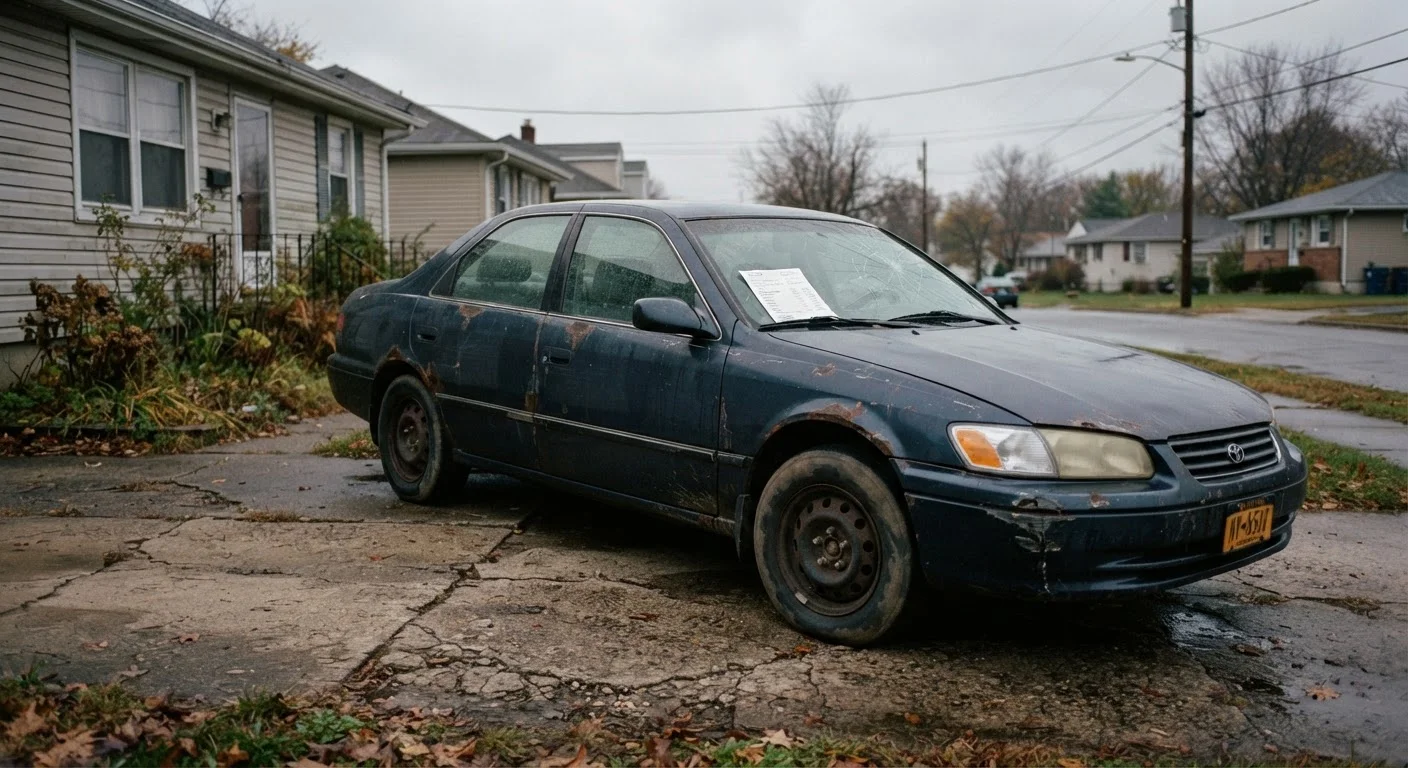
Photo: InsightsVault.com | Interesting Daily Reads editorial
Key Takeaways
- Repair bills on high-mileage vehicles can quietly exceed what the car is actually worth.
- Tracking cumulative annual repair costs - not just individual bills - reveals the true financial picture.
- Declining fuel economy and rising insurance complexity on older cars add hidden ongoing costs.
- A structured cost comparison between keeping and replacing is more reliable than gut feeling alone.
The Loyalty Trap: Why Drivers Hold On Too Long
There's a reasonable instinct behind keeping a paid-off car: no monthly payment feels like savings. But a vehicle that costs nothing in financing can still drain your budget through repairs, fuel inefficiency, and escalating maintenance. When those costs compound year over year, the math can quietly flip against you.
The problem isn't loyalty to a reliable car - it's failing to notice when reliability has already left the building. Most drivers don't track cumulative repair spending. They approve one bill at a time, each one feeling survivable, without ever adding them up across 12 months. That's where the financial picture gets distorted.
Understanding the trade-off between an older and newer vehicle is a useful starting point - because the cost gap is rarely as wide as people assume, and sometimes it runs the other way entirely.
Evaluating each repair bill in isolation rather than tracking cumulative annual spending.
Treating a paid-off car as automatically cheaper than a financed replacement.
Ignoring gradual declines in fuel economy as the vehicle ages.
Making a keep-or-replace decision in the immediate stress of a large repair estimate.
Assuming older vehicles always carry lower insurance costs.
The Numbers That Actually Matter
A common industry rule of thumb holds that when annual repair costs exceed roughly one year's worth of loan payments on a comparable replacement vehicle, the financial case for keeping the old car weakens considerably. That's a simplified benchmark, not a firm rule, but it gives a useful frame.
$1,986
Average annual car repair and maintenance cost
According to AAA's annual Your Driving Costs study, the average American driver spends roughly this amount each year on repairs and maintenance across all vehicle types.
200,000+
Miles where major system failures become more frequent
Industry data from repair shops consistently shows that powertrain and electrical failures increase significantly once vehicles pass the 150,000-200,000 mile threshold.
Fuel economy is another cost that slides gradually. The U.S. Department of Energy estimates that a vehicle losing 4 miles per gallon due to age or neglect can cost a typical driver several hundred dollars more per year at the pump, depending on how much they drive. That drag rarely shows up on any repair invoice.
Insurance costs also shift on older vehicles in ways that aren't always cheaper. While comprehensive and collision premiums may drop as market value falls, some older vehicles carry higher liability rates due to outdated safety ratings. It's worth reviewing your full policy picture - see how fuel and insurance costs shift across a car's lifetime for a fuller breakdown.
Sunk Cost Is Not a Reason to Keep Repairing
Making the Call Without Rushing It
When a single large repair arrives - a transmission, an engine, a major suspension job - it's tempting to make an emotional decision in the moment. That's rarely the best time. Instead, treat the repair estimate as a prompt to do a full accounting: What have you spent on repairs in the past year? What is the car currently worth? What would a comparable used replacement realistically cost you monthly?
A structured approach to evaluating repair bills against vehicle value can help you work through this without panic. And before any of this becomes urgent, understanding what deferred maintenance actually costs may help you extend reliable vehicle life before you reach that tipping point.
The goal isn't to replace cars frequently - it's to make the decision with accurate information rather than habit or sunk-cost thinking. Sometimes keeping the car is still the right call. But that conclusion should come from the numbers, not from avoiding the question.
This article provides general information about vehicle ownership costs and is not a substitute for personalised financial advice. Consult a qualified financial professional for guidance specific to your situation.
The content provided on our blog site traverses numerous categories, offering readers valuable and practical information. Readers can use the editorial team’s research and data to gain more insights into their topics of interest. However, they are requested not to treat the articles as conclusive. The website team cannot be held responsible for differences in data or inaccuracies found across other platforms. Please also note that the site might also miss out on various schemes and offers available that the readers may find more beneficial than the ones we cover.