
Older Vehicle vs. Newer Model: Weighing Long-Term Running Costs

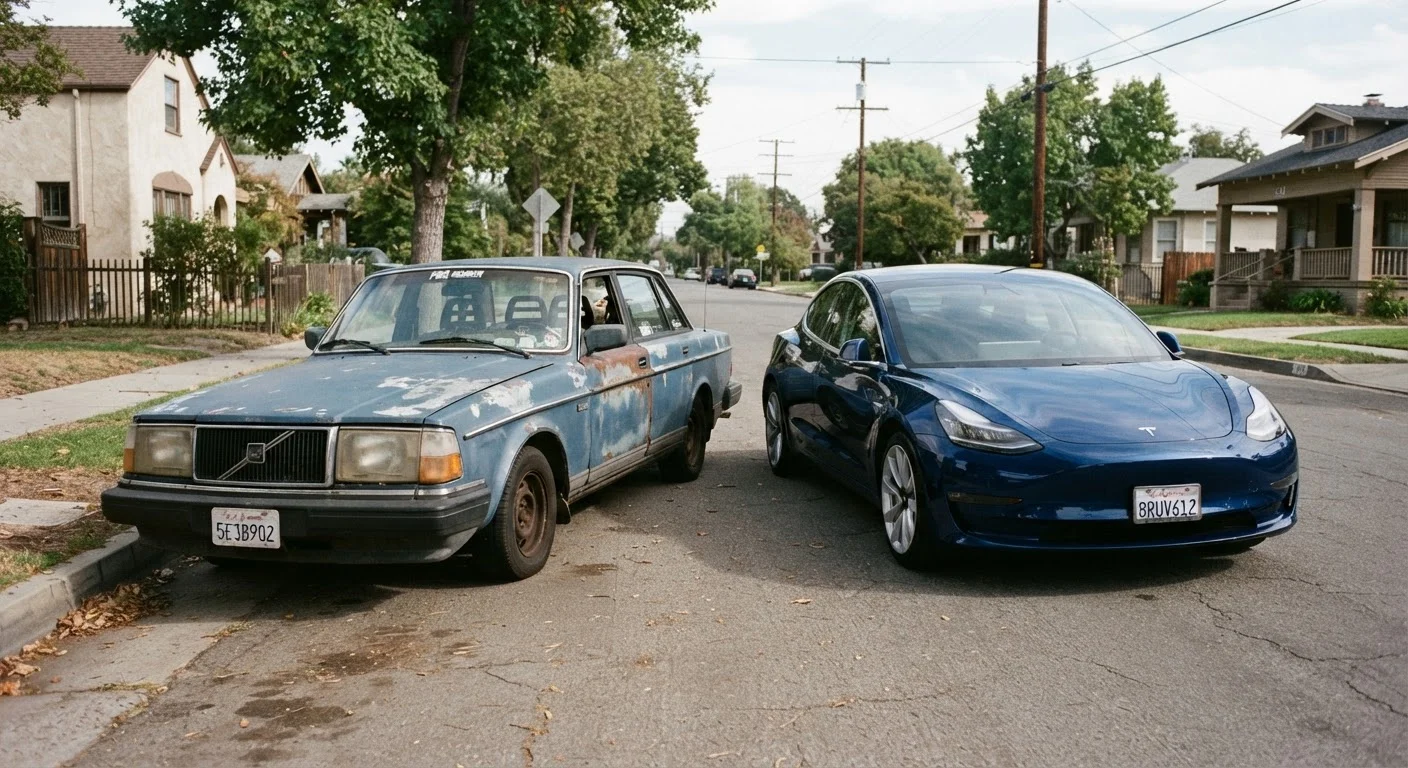
Photo: InsightsVault.com | Interesting Daily Reads editorial
Key Takeaways
- Newer vehicles lose the most value in their first three years - often 40-50% of purchase price.
- Older vehicles typically carry lower insurance premiums but higher repair and parts costs.
- A car's total annual cost includes depreciation, fuel, insurance, maintenance, and financing combined.
- The financial sweet spot for many buyers is a vehicle that is three to five years old.
- Unexpected repair bills on high-mileage cars can quickly exceed the savings from a lower purchase price.
Where the Real Cost Differences Begin
Most people compare older and newer cars by monthly payment - but that single number hides the full picture. The true annual cost of ownership includes depreciation, fuel, insurance, financing charges, and maintenance. Each of those line items shifts considerably as a vehicle ages. For a detailed breakdown of all these components, see our full guide to annual car ownership costs.
Depreciation is the largest factor, especially early in a vehicle's life. New cars typically lose around 20% of their value in the first year and 40-50% within three years, according to industry data from sources including Edmunds and the AAA. After that, the rate of value loss slows considerably. This means a buyer who purchases a five-year-old vehicle absorbs far less depreciation than someone buying new. Our car depreciation explainer covers exactly how this curve works and why it matters so much to long-term budgeting.
| Criterion | Older Vehicle (5+ Years) | Newer Model (0-4 Years) |
|---|---|---|
| Depreciation rate | Low - curve has flattened | High - steepest in years 1-3 |
| Purchase / financing cost | Lower; often no loan needed | Higher; typically financed |
| Warranty coverage | Usually expired | Manufacturer warranty active |
| Insurance premiums | Generally lower | Generally higher |
| Repair frequency | Higher; wear items accumulate | Lower; fewer miles, newer parts |
| Fuel efficiency | May lag newer standards | Typically meets current standards |
| Technology / safety features | Older generation systems | Current safety and driver aids |
Maintenance, Repairs, and Insurance: How Costs Shift With Age
A newer vehicle typically comes with a manufacturer's bumper-to-bumper warranty - often three years or 36,000 miles - and a powertrain warranty extending further. During that window, most significant mechanical failures cost the owner little or nothing out of pocket. Routine items like oil changes, tires, and brake pads still apply, but surprise repair bills are rare.
Older vehicles tell a different story. According to data from AAA, the average annual vehicle maintenance and repair cost rises substantially once a car crosses the 100,000-mile mark. Wear items like timing chains, water pumps, and suspension components become more likely to need attention, and labor costs at independent shops typically run $75-$150 per hour depending on region. Choosing between original and aftermarket replacement parts also becomes a recurring decision - something covered in our OEM vs. aftermarket parts guide.
Insurance premiums generally favor older vehicles. Because the car's market value is lower, comprehensive and collision coverage costs less - and some owners of paid-off older cars choose to drop those coverages entirely to cut premiums further. Newer vehicles, especially financed ones, typically require full coverage by lender agreement. The ongoing interplay between insurance and fuel costs across a car's life is worth understanding in depth: see managing fuel and insurance costs across a car's lifetime.
~47%
Average value lost in first 3 years
Industry analyses from sources including Edmunds indicate new vehicles typically lose close to half their value within three years of purchase.
$1,186/yr
Average annual maintenance and repair cost
AAA's Your Driving Costs study estimates average maintenance, repair, and tire costs for a typical sedan at roughly this level, though older high-mileage vehicles often exceed it.
$75-$150/hr
Typical mechanic labor rate (US)
Labor rates at independent repair shops vary widely by region and vehicle type, according to data compiled by RepairPal and similar automotive pricing sources.
When Holding On Too Long Reverses the Savings
Keeping an older vehicle isn't always the financially sound choice. At a certain mileage and age threshold, cumulative repair costs can begin to rival or exceed what a more reliable replacement would cost annually. A single major repair - transmission rebuild, engine work, or a failed catalytic converter - can represent months of car payments on a newer vehicle.
The key is tracking your actual annual spend on repairs and comparing it against both the vehicle's current market value and the cost of ownership for an alternative. If repair bills are climbing toward or above the car's resale value, that's a signal worth taking seriously. Our guide on when keeping a car too long backfires walks through how to recognize that tipping point before it drains your budget.
For a comprehensive view of repair and maintenance cost management across all vehicle ages, the complete financial overview of car ownership and repair costs offers practical tools and benchmarks. Budget-conscious drivers who put this data to work - rather than reacting to each expense as it arrives - consistently make smarter decisions about when to repair, when to hold, and when to move on.
This article provides general financial information for educational purposes and does not constitute personalized financial or automotive advice. Costs vary by vehicle make, model, region, and individual circumstances. Consult a qualified mechanic and, where relevant, a licensed financial adviser before making significant vehicle purchasing or ownership decisions.
The content provided on our blog site traverses numerous categories, offering readers valuable and practical information. Readers can use the editorial team’s research and data to gain more insights into their topics of interest. However, they are requested not to treat the articles as conclusive. The website team cannot be held responsible for differences in data or inaccuracies found across other platforms. Please also note that the site might also miss out on various schemes and offers available that the readers may find more beneficial than the ones we cover.