
Car Depreciation Explained: Why Your Vehicle Loses Value Over Time

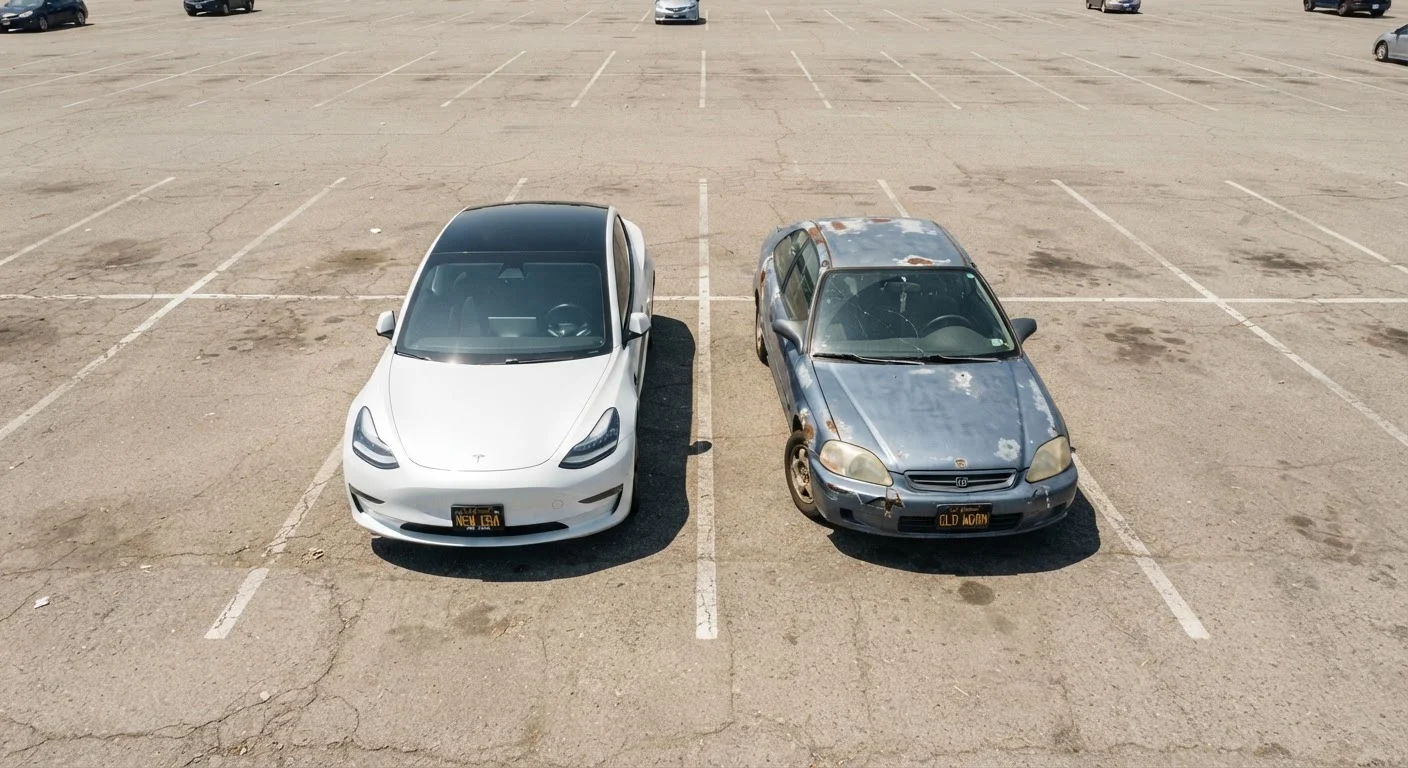
Photo: InsightsVault.com | Interesting Daily Reads editorial
Key Takeaways
- A new car typically loses 15-25% of its value in the first year alone.
- Depreciation is often the largest single cost of car ownership, exceeding fuel or insurance over time.
- Mileage, condition, model popularity, and market demand all directly affect how fast a car loses value.
- Buying a vehicle that is two to three years old can sidestep the steepest depreciation curve.
- Understanding depreciation helps you make more accurate long-term ownership budgets.
What Depreciation Actually Costs You
Most car owners focus on the monthly payment, fuel fill-ups, and the occasional repair bill. Depreciation rarely appears on any invoice, yet industry data consistently shows it accounts for more of your total ownership cost than any other single expense. For a new vehicle priced around $35,000, the first-year value loss alone can exceed $6,000 - money that simply evaporates from your net worth.
See how depreciation stacks up against other recurring expenses in our breakdown of the true annual cost of owning a car. Understanding it in that full context is what separates a realistic car budget from a dangerously optimistic one.
15-25%
Typical first-year value loss for a new car
Industry estimates from automotive valuation services consistently place first-year depreciation in this range for most new vehicle segments.
~50%
Average value remaining after five years
By the end of year five, most vehicles retain only around half of their original purchase price, according to long-running automotive market data.
$6,000+
Estimated first-year depreciation on a $35,000 vehicle
Applying a 17-20% average depreciation rate to a typical new-car price illustrates the scale of the hidden cost most owners don't budget for.
The Depreciation Curve: When Value Drops Fastest
Depreciation is not linear. The curve is steepest in the earliest years and flattens significantly as a vehicle ages. A typical new car loses roughly 15-25% of its value in year one, and around 50-60% of its original price by the end of year five. After that, annual losses become smaller in dollar terms, though the vehicle's value is already substantially reduced.
This curve is why buying a two- or three-year-old vehicle is often cited as a cost-efficient strategy - you let a prior owner absorb the sharpest decline while still getting a relatively modern, low-mileage car. It's a trade-off worth understanding, and one we explore in detail when comparing older vehicles to newer models across long-term running costs.
Time Your Purchase to Avoid Peak Depreciation
What Drives Depreciation: The Key Factors
No two vehicles depreciate at the same rate. Several variables determine how quickly a specific car loses market value:
- Mileage: Higher mileage signals more wear on components and shortens the vehicle's remaining useful life in buyers' minds. Every 10,000 miles above average annual use can noticeably reduce resale value.
- Condition: Dents, stained interiors, neglected service, and missing records all accelerate value loss. A well-documented maintenance history can meaningfully slow depreciation.
- Brand and model reputation: Vehicles known for long-term reliability and low ownership costs tend to hold value better. Models with strong resale demand - driven by consumer preference, not advertising - depreciate more slowly.
- Market demand and fuel economy: When fuel prices rise sharply, large trucks and SUVs with poor fuel economy can see accelerated depreciation. Conversely, models in high demand may hold value unusually well.
- Trim level and options: Popular option packages and colors retain value better than rare or unpopular configurations that limit the pool of interested buyers.
Managing these factors where you can - through consistent maintenance and keeping reasonable mileage - can help preserve value. For a wider look at costs that compound alongside depreciation, see our guide on car ownership and repair costs.
Depreciation and Your Ownership Strategy
Knowing how depreciation works changes how you think about the full arc of owning a vehicle. If you finance a car and it depreciates faster than you pay down the loan, you end up "underwater" - owing more than the car is worth. This is called negative equity, and it can create serious financial complications if you need to sell or if the vehicle is totaled in an accident.
On the other end, holding a vehicle for a very long time eventually reaches a point where ongoing repair costs may outpace the vehicle's remaining value - a different kind of financial trap. Our article on why keeping a car too long can cost more than trading it in walks through how to recognize that tipping point.
Depreciation also interacts with your insurance and fuel costs over time. As a car ages and its market value drops, the insurance math changes - and so does the logic around what coverage levels make sense. Managing fuel and insurance costs across a car's lifetime covers that evolution in practical terms.
This article is for general informational and educational purposes only and does not constitute financial or legal advice. Actual depreciation rates vary by vehicle, market conditions, and individual circumstances. Consult a qualified financial adviser for guidance specific to your situation.
Frequently Asked Questions
The content provided on our blog site traverses numerous categories, offering readers valuable and practical information. Readers can use the editorial team’s research and data to gain more insights into their topics of interest. However, they are requested not to treat the articles as conclusive. The website team cannot be held responsible for differences in data or inaccuracies found across other platforms. Please also note that the site might also miss out on various schemes and offers available that the readers may find more beneficial than the ones we cover.