
Protein on a Budget: Getting Enough Without Relying on Expensive Cuts

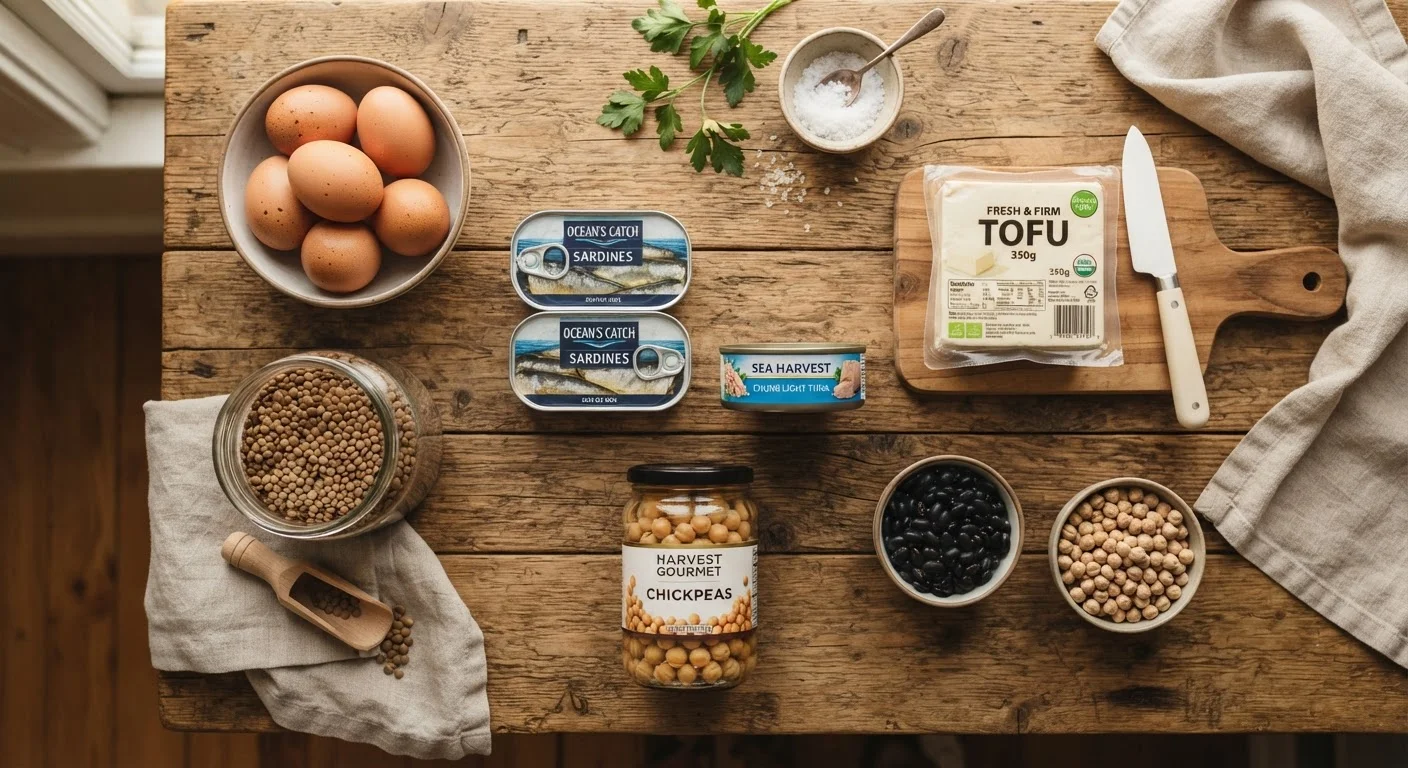
Photo: InsightsVault.com | Interesting Daily Reads editorial
Why Protein Costs More Than It Should - and How to Change That
For many US shoppers, protein feels synonymous with meat - specifically beef, chicken breast, and salmon fillets, all of which carry a premium price tag. The reality is that protein is a nutrient found across a wide range of foods, many of which cost a fraction of what those cuts run at the register. Understanding where protein actually comes from gives you the flexibility to build a nutritionally adequate diet without anchoring your grocery budget to the meat aisle.
This reference guide outlines the most cost-effective protein sources available to everyday shoppers, along with what you need to know about protein quality and daily needs. It's general nutritional information - not a prescription for any individual. For guidance tailored to your health circumstances, consult a registered dietitian or your healthcare provider.
For a broader foundation on affordable eating, see our nutritional foundation for everyday shoppers.
| Protein per serving - dried lentils (cooked, ½ cup) | ~9 grams (USDA FoodData Central) |
| Protein per serving - large egg (1 egg) | ~6 grams (USDA FoodData Central) |
| Protein per serving - canned tuna (3 oz, drained) | ~20-22 grams (USDA FoodData Central) |
| Protein per serving - firm tofu (½ cup) | ~10 grams (USDA FoodData Central) |
| Protein per serving - plain Greek yogurt (1 cup) | ~17-20 grams (USDA FoodData Central) |
| General daily protein baseline (sedentary adults) | 0.8 g per kg body weight (National Academies Dietary Reference Intakes) |
| Protein per serving - tempeh (½ cup) | ~15 grams (USDA FoodData Central) |
| Protein per serving - canned sardines (3.75 oz) | ~22 grams (USDA FoodData Central) |
Budget Protein Sources at a Glance
The following categories consistently offer high protein per dollar across most US grocery stores and regions. Exact prices vary by location and season, but these foods reliably outperform expensive cuts on cost-per-gram-of-protein metrics.
Legumes: Lentils, Chickpeas, and Dried Beans
Dried legumes are among the most protein-dense foods by cost available anywhere. A one-pound bag of dried lentils or black beans - typically under two dollars - yields multiple servings, each providing roughly 15-18 grams of protein. Canned versions cost more per serving but remain affordable and require no soaking or long cooking times. Legumes also supply fiber, iron, and complex carbohydrates, making them nutritionally well-rounded staples.
Eggs
A dozen eggs provides 12 complete-protein servings (each egg contains approximately 6 grams of protein) at a cost that routinely undercuts most animal protein alternatives. Eggs contain all essential amino acids, making them a complete protein source - useful context when combining plant proteins in a mostly plant-based diet.
Canned Fish
Canned tuna, sardines, and salmon offer significant protein - typically 20-25 grams per drained serving - at a low per-serving cost. Sardines and mackerel also supply omega-3 fatty acids, which are less commonly found in budget cuts of meat. Look for versions packed in water to avoid excess sodium where that's a priority for you.
Tofu and Tempeh
Both are complete soy proteins. Firm tofu typically provides around 10 grams of protein per half-cup serving and absorbs flavors readily in cooked dishes. Tempeh is denser and higher in protein (roughly 15 grams per half-cup) and contains fermented soy that some people find easier to digest. Both are generally less expensive per gram of protein than boneless chicken breast.
Plain Greek Yogurt and Cottage Cheese
Dairy-based options like plain Greek yogurt and cottage cheese deliver 15-20 grams of protein per cup. Store-brand versions cost considerably less than name-brand equivalents with similar nutritional profiles. These also contribute calcium and, in fermented forms, probiotics.
Complete protein
A protein source that contains all nine essential amino acids in sufficient amounts. Animal proteins such as eggs, dairy, and fish are complete proteins; most plant proteins are not, but eating a variety of plant foods across the day addresses this.
Essential amino acids
Nine amino acids the body cannot manufacture on its own and must obtain from food. They are histidine, isoleucine, leucine, lysine, methionine, phenylalanine, threonine, tryptophan, and valine.
Dietary Reference Intake (DRI)
A set of science-based reference values established by the National Academies of Sciences, Engineering, and Medicine that guide nutrient intake recommendations for US and Canadian populations.
Legumes
The family of plants whose seeds grow in pods - including lentils, chickpeas, black beans, kidney beans, and peanuts. Legumes are among the most affordable plant-based protein sources available.
Bioavailability
The proportion of a nutrient that the body actually absorbs and uses after consumption. Animal proteins generally have higher protein bioavailability than plant proteins, though a varied plant-based diet can still meet protein needs.
For practical meal planning using these staples, our guide on stretching pulses, grains, and eggs into a week's worth of meals shows how these ingredients can anchor varied, satisfying meals.
Protein Quality, Completeness, and What It Means for Budget Shoppers
Not all protein is nutritionally identical. Proteins are made of amino acids, and the body cannot produce nine of them - called essential amino acids - on its own. Animal proteins (eggs, dairy, meat, fish) contain all nine and are considered complete proteins. Most plant proteins are incomplete, meaning they lack or are low in one or more essential amino acids.
This doesn't mean plant proteins are inadequate - it just means variety matters. Eating a range of plant protein sources across the day (e.g., beans and grains, lentils and vegetables) covers the full amino acid spectrum without requiring careful meal-by-meal planning. The older idea that plant proteins must be combined at every single meal has largely been revised in mainstream nutrition guidance; variety over time is what counts.
Plant Protein Combining: A Clarification
General daily protein reference ranges cited by health authorities (such as the Dietary Reference Intakes established by the National Academies) suggest 0.8 grams of protein per kilogram of body weight as a baseline for sedentary adults, with higher ranges for active individuals, older adults, and those recovering from illness. A registered dietitian can help you identify the right target for your situation - this article does not provide individualized recommendations.
For a fuller picture of where affordable nutrition can go wrong, see how low-price food choices can backfire nutritionally. And if you're feeding a household, affordable nutrition for families offers targeted strategies.
This article is for general informational purposes only and does not constitute medical or dietary advice. Consult a qualified healthcare professional or registered dietitian before making significant changes to your diet, particularly if you have an existing health condition.
The content provided on our blog site traverses numerous categories, offering readers valuable and practical information. Readers can use the editorial team’s research and data to gain more insights into their topics of interest. However, they are requested not to treat the articles as conclusive. The website team cannot be held responsible for differences in data or inaccuracies found across other platforms. Please also note that the site might also miss out on various schemes and offers available that the readers may find more beneficial than the ones we cover.