
Free and Low-Cost Ways to Get Plants Without Buying New Ones

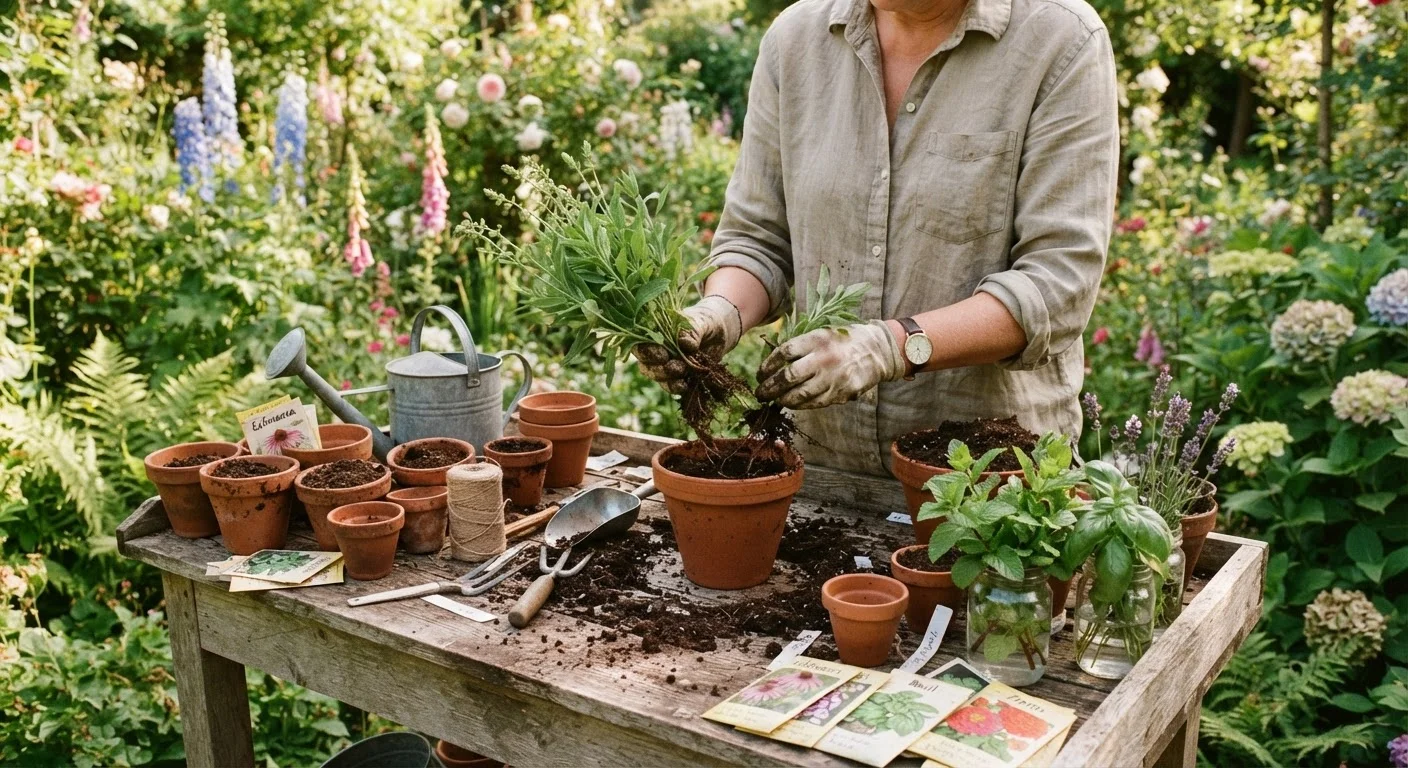
Photo: InsightsVault.com | Interesting Daily Reads editorial
Key Takeaways
- Propagating cuttings and dividing perennials are reliable zero-cost methods for multiplying plants you already own.
- Plant swaps, community boards, and neighborhood groups regularly offer free plants to local gardeners.
- Seed saving from annuals and vegetables can eliminate a significant recurring garden expense year after year.
- Online platforms and local groups often list free or nearly free plants from homeowners who have extras.
- Starting plants from seed indoors is one of the most cost-effective ways to build garden volume.
Growing Your Garden Without the Price Tag
A well-stocked garden doesn't have to mean a well-spent budget. Many experienced gardeners grow expansive, productive spaces without buying new plants every season - and the strategies they use are accessible to anyone willing to be a little resourceful.
Whether you're filling a new raised bed, replacing winter losses, or simply want more of what's already growing, the methods below range from completely free to low single-digit costs. They also align well with broader frugal gardening habits - for a fuller picture, see the complete guide to frugal gardening.
Take and Root Stem Cuttings
Many common plants - including pothos, coleus, mint, rosemary, lavender, and hydrangea - propagate reliably from stem cuttings. Snip a 4-6 inch stem just below a leaf node, remove lower leaves, and place it in water or moist potting mix. Most will develop roots within two to four weeks.
The cost is essentially zero if you use containers you already have. This works especially well with herbs and soft-stemmed ornamentals, and allows you to multiply a single purchased plant into dozens over a season.
A single stem cutting can produce dozens of plants over a season at zero cost.
Divide Established Perennials
Perennials - including hostas, daylilies, black-eyed Susans, ornamental grasses, and coneflowers - naturally spread and benefit from periodic division. Dig up a mature clump in early spring or fall, separate it into sections using a garden fork or spade, and replant. Each division becomes a new plant.
Division also improves the health and vigor of the original plant, so it's a win on both sides. A large hosta clump, for example, can yield six to ten divisions, each capable of reaching full size within a season or two.
Dividing perennials is free, improves plant health, and multiplies your stock all at once.
Save Seeds from Your Existing Plants
Many vegetables, annuals, and some herbs produce viable seeds that can be harvested, dried, and stored for next season. Tomatoes, beans, squash, marigolds, sunflowers, and zinnias are straightforward seed-saving candidates. Avoid saving from F1 hybrid varieties, as offspring won't reliably match the parent plant.
Let seed heads fully dry on the plant, then collect them into labeled paper envelopes. Stored in a cool, dry place, many seeds remain viable for two to five years. Over time, this habit can replace a large portion of your annual seed-buying budget. For more on keeping input costs low across the board, see expensive gardening habits to avoid.
Seed saving from open-pollinated varieties can eliminate most of your annual seed-buying costs.
Attend or Organize a Plant Swap
Plant swaps are community events - often held at libraries, community gardens, or garden clubs - where participants bring divisions, cuttings, or potted extras and exchange them for free. They're low-commitment and surprisingly productive: many gardeners walk away with ten or more species for the price of a few divisions they had anyway.
If no local swap exists, they're easy to organize informally. A neighborhood group message or community board post asking if anyone wants to swap plants often generates a quick response, especially in spring.
Plant swaps let you trade garden surplus for new species without spending a dollar.
Use Online Freecycle and Community Platforms
Platforms that connect neighbors for free goods - including Freecycle, Nextdoor, local Facebook groups, and Craigslist's free section - regularly feature plants. Homeowners renovating gardens, moving, or simply managing overgrowth often list divisions, shrubs, trees, and potted plants for free pickup.
Search for keywords like "free plants," "garden thinning," or the name of a specific plant you want. Persistence pays off - availability is seasonal and unpredictable, but consistent checking yields results over time.
Community platforms list free plants year-round from homeowners clearing out overgrown gardens.
Start Annuals and Vegetables from Seed Indoors
A seed packet typically costs $2-$4 and contains enough seed to fill a raised bed - a fraction of the cost of buying the equivalent number of transplants at a nursery. Starting seeds indoors 6-8 weeks before your last frost date gives you a head start on the season and full control over plant selection.
You don't need specialized equipment. A sunny south-facing window, repurposed containers with drainage holes, and standard potting mix are sufficient for many crops and flowers. This approach pairs naturally with container and raised bed gardening - see how to keep raised bed costs down for more on managing those startup expenses.
A single $3 seed packet can produce far more plants than a flat of nursery transplants at many times the cost.
Ask Friends, Neighbors, and Local Gardeners
Experienced gardeners typically have more plants than space. Politely asking a neighbor with an overflowing bed, or reaching out to a local garden club, often results in free divisions or cuttings. Most gardeners are happy to share - it's part of the culture of the hobby.
Being specific helps: rather than asking generically, mention what you're looking for or what growing conditions you have. This makes it easier for someone to match you with something they actually have available.
Most gardeners are glad to share surplus plants - you just have to ask specifically.
Making the Most of These Methods
The strategies above work best when combined. A single established perennial can be divided annually for years. A season of seed saving can stock next spring's beds entirely for free. A few hours at a plant swap can net a dozen species you'd never have purchased.
Track What You Have Before You Seek More
As you expand your plant collection, don't overlook what feeds them. Converting kitchen scraps into compost costs nothing - see how in our guide to composting on any budget. And if you're thinking about how to put these new plants to work, companion planting can help reduce pest control costs at the same time. The savings stack quickly when multiple low-cost habits reinforce each other.
The content provided on our blog site traverses numerous categories, offering readers valuable and practical information. Readers can use the editorial team’s research and data to gain more insights into their topics of interest. However, they are requested not to treat the articles as conclusive. The website team cannot be held responsible for differences in data or inaccuracies found across other platforms. Please also note that the site might also miss out on various schemes and offers available that the readers may find more beneficial than the ones we cover.