
Bulk Buying for Better Nutrition: What's Worth Stocking Up On and What Isn't

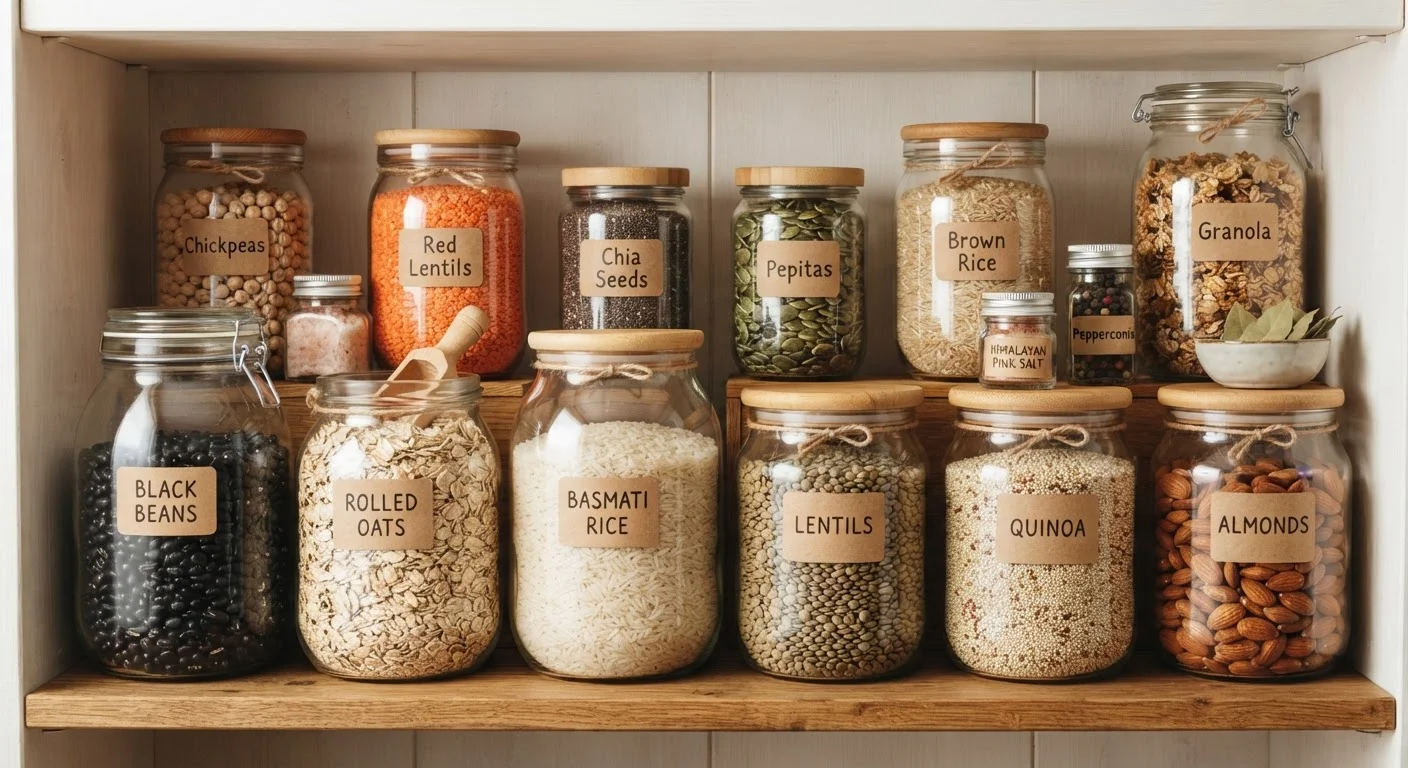
Photo: InsightsVault.com | Interesting Daily Reads editorial
Key Takeaways
- Shelf-stable whole foods like dried legumes, oats, and brown rice are strong candidates for bulk buying.
- Perishable and highly processed items often lose value quickly when purchased in large quantities.
- Unit pricing - not pack size - determines whether bulk buying actually saves money.
- Storage space, household size, and consumption habits should guide every bulk purchase decision.
- Bulk buying can reduce food waste or increase it, depending on what you buy and how you plan.
Lower cost per serving on staple whole foods
Dried grains, legumes, and oats typically cost significantly less per serving when purchased in larger quantities, making it easier to meet nutritional needs on a restricted budget.
Reduces frequency of grocery trips
Keeping a well-stocked pantry of bulk staples means fewer last-minute runs to the store, which research consistently links to reduced impulse spending.
Encourages cooking from scratch
Having ample dry goods on hand makes home cooking more convenient and financially rewarding compared to buying pre-packaged or prepared alternatives.
Nutritionally dense foods become more accessible
Foods like lentils, oats, and nuts are among the highest-value nutritional purchases available; buying them in bulk makes these staples a practical default rather than an occasional purchase.
Perishables spoil before they're used
Fresh produce, dairy, and bread bought in bulk frequently go to waste before a household can consume them, negating any per-unit price advantage.
Upfront cost strains a tight budget
Large purchases require higher initial outlay, which can be difficult for households managing week-to-week cash flow even when the per-unit price is lower.
Storage requirements are often underestimated
Proper bulk storage requires cool, dry, airtight conditions; without adequate space and containers, even shelf-stable foods degrade faster than expected.
Bulk sizes can encourage overconsumption
Research in consumer behavior suggests that larger package sizes are associated with higher consumption rates, which can undermine both nutritional goals and the intended savings.
Bulk pricing isn't always genuinely cheaper
Retailers sometimes price large formats at a higher per-unit cost than smaller packages, making careful unit-price comparison essential before committing to a bulk purchase.
Why Bulk Buying Appeals to Nutrition-Focused Shoppers
The appeal is straightforward: buy more, pay less per unit, eat better for less money overall. For shoppers trying to stretch a grocery budget without cutting corners on nutrition, bulk buying seems like an obvious win. The reality is more nuanced.
Bulk purchasing can meaningfully reduce the cost per serving of some of the most nutritious foods available - dried lentils, rolled oats, brown rice, and raw nuts among them. But the same logic applied to the wrong items can leave you with spoiled food, wasted money, and a pantry full of things you don't actually want to eat. Understanding the distinction is where the real savings lie.
For a broader foundation on eating well affordably, see our guide to affordable nutrition. It's also worth noting that bulk pricing isn't always cheaper - unit pricing math can reveal surprises at the shelf.
What's Worth Stocking Up On
The best bulk buys share common traits: long shelf lives, consistent household use, and strong nutritional density per dollar spent.
Lower cost per serving on staple whole foods
Dried grains, legumes, and oats typically cost significantly less per serving when purchased in larger quantities, making it easier to meet nutritional needs on a restricted budget.
Reduces frequency of grocery trips
Keeping a well-stocked pantry of bulk staples means fewer last-minute runs to the store, which research consistently links to reduced impulse spending.
Encourages cooking from scratch
Having ample dry goods on hand makes home cooking more convenient and financially rewarding compared to buying pre-packaged or prepared alternatives.
Nutritionally dense foods become more accessible
Foods like lentils, oats, and nuts are among the highest-value nutritional purchases available; buying them in bulk makes these staples a practical default rather than an occasional purchase.
- Dried legumes (lentils, black beans, chickpeas): Among the most cost-effective protein and fiber sources available, dried legumes store for one to two years when kept in airtight containers in a cool, dry place.
- Whole grains (oats, brown rice, barley, farro): These form the caloric backbone of an affordable diet. Rolled oats in particular offer exceptional fiber and micronutrient value at a low cost per serving.
- Raw nuts and seeds: Calorie-dense, nutrient-rich, and shelf-stable for several months when stored properly - though they can go rancid faster than most people expect, so buy quantities you'll genuinely use within that window.
- Frozen vegetables and fruits: Nutritionally comparable to fresh, and bulk freezer purchases can work well for households that have the freezer space and use them regularly.
- Shelf-stable oils and vinegars: Used frequently in cooking, these store well and often represent genuine per-unit savings at larger sizes.
The pattern here is predictability. If you use it every week and it won't spoil, bulk buying generally makes sense. For a cost-per-nutrient perspective that complements this thinking, see how whole and processed foods compare when calculated by nutritional value.
What Isn't Worth Buying in Bulk
Not every large-format purchase delivers the value it promises. Some categories are reliably poor candidates for bulk buying from a nutrition and budget standpoint.
Perishables spoil before they're used
Fresh produce, dairy, and bread bought in bulk frequently go to waste before a household can consume them, negating any per-unit price advantage.
Upfront cost strains a tight budget
Large purchases require higher initial outlay, which can be difficult for households managing week-to-week cash flow even when the per-unit price is lower.
Storage requirements are often underestimated
Proper bulk storage requires cool, dry, airtight conditions; without adequate space and containers, even shelf-stable foods degrade faster than expected.
Bulk sizes can encourage overconsumption
Research in consumer behavior suggests that larger package sizes are associated with higher consumption rates, which can undermine both nutritional goals and the intended savings.
Bulk pricing isn't always genuinely cheaper
Retailers sometimes price large formats at a higher per-unit cost than smaller packages, making careful unit-price comparison essential before committing to a bulk purchase.
Beyond the items listed above, a few additional traps are worth flagging. Highly processed snack foods in bulk quantities - even when discounted - tend to increase overall consumption without meaningfully improving nutritional intake. Similarly, specialty health foods (certain protein powders, superfood blends, or trendy grain varieties) often carry premium pricing that persists even in bulk formats, and may expire before being fully used.
Before your next large shop, a quick self-audit helps. The budget grocery audit checklist is a practical tool for identifying gaps and avoiding impulse overspending.
The Storage and Waste Equation
Bulk buying only saves money if the food gets eaten. Two factors determine this: storage capability and household consumption rate.
How to Store Bulk Dry Goods Safely
A useful rule of thumb: before buying in bulk, estimate how many servings your household consumes per week and divide the bulk quantity by that number. If the result exceeds the item's realistic shelf life, you're likely buying more than you can use.
Household size matters significantly here. A single person buying a 10-pound bag of brown rice may find it genuinely economical - or may find it takes so long to use that quality degrades. A family of four with consistent meal patterns is generally better positioned to absorb bulk quantities without waste.
For a thorough look at when bulk strategies backfire more broadly, the real trade-offs of buying in bulk covers the financial dynamics in detail.
~$1,500
Average annual US household food waste cost
USDA estimates suggest the average American household discards roughly $1,500 worth of food annually, underscoring the risk of buying more than you can use.
30-40%
US food supply lost or wasted each year
According to the USDA Economic Research Service, 30 to 40 percent of the US food supply is wasted - a figure that bulk buying can either help or worsen depending on purchasing habits.
This article provides general nutrition and budgeting information only and is not a substitute for advice from a registered dietitian or qualified healthcare professional. Individual dietary needs vary - consult a professional for guidance specific to your health situation.
The content provided on our blog site traverses numerous categories, offering readers valuable and practical information. Readers can use the editorial team’s research and data to gain more insights into their topics of interest. However, they are requested not to treat the articles as conclusive. The website team cannot be held responsible for differences in data or inaccuracies found across other platforms. Please also note that the site might also miss out on various schemes and offers available that the readers may find more beneficial than the ones we cover.