
Growing Vegetables in Small Spaces: Container and Raised Bed Costs Explained

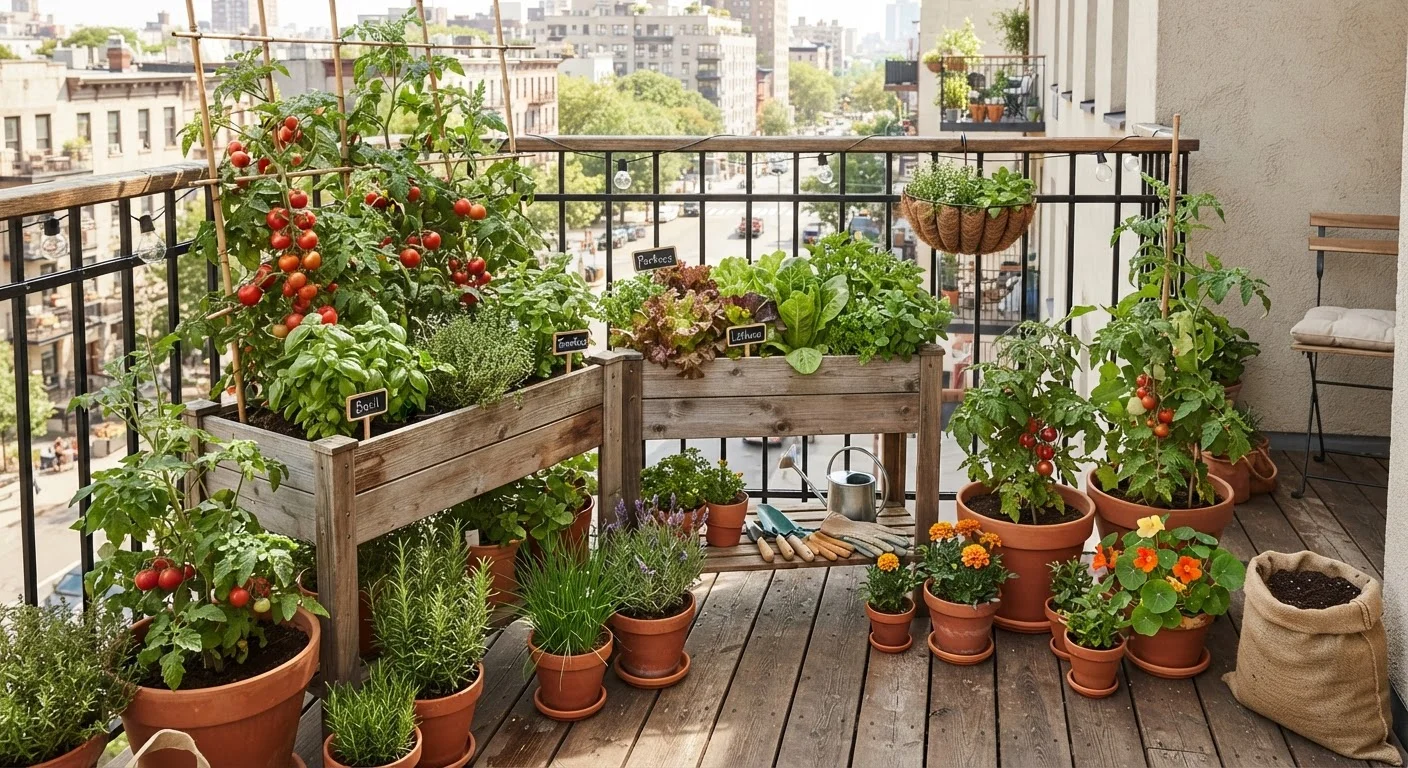
Photo: InsightsVault.com | Interesting Daily Reads editorial
Key Takeaways
- Container gardening can start for under $50, while raised beds typically cost $100-$500 or more depending on size and materials.
- Both methods have real ongoing costs - soil, amendments, and water - that are easy to underestimate upfront.
- Raised beds generally offer better long-term value for serious food production; containers suit renters or very small footprints.
- Choosing the right growing medium is one of the highest-leverage decisions for both cost and yield.
Low entry cost, easy to start small
A few containers and a bag of potting mix can get you growing for under $30-$50, making this the lowest-risk way to test vegetable gardening without major commitment.
Portable - ideal for renters
Containers can move with you, making them the only practical choice for renters or anyone who may relocate. They also let you chase optimal sun exposure across a patio or balcony.
Good for small patios, balconies, or stoops
A handful of 5- to 15-gallon containers can produce meaningful harvests of lettuce, herbs, and cherry tomatoes in less than 20 square feet of floor space.
Easier to manage soil quality per plant
Each container can be tailored with the right mix for its crop - blueberries can get an acidic mix while tomatoes get a richer blend - without cross-contamination.
Frequent watering raises time and water costs
Small containers can dry out within 24 hours in hot weather, demanding daily attention and increasing water use compared to in-ground or raised bed growing.
Limited root volume restricts crop choice
Deep-rooted crops like carrots, winter squash, and indeterminate tomatoes underperform in most containers unless very large vessels are used, limiting your growing menu.
Soil degrades and needs regular replacement
Potting mix breaks down faster than raised bed soil, typically requiring partial or full replacement each season - an ongoing cost that adds up over years.
Higher cost per pound of produce long-term
The combination of frequent soil replacement, higher watering needs, and smaller yields per dollar invested makes containers less efficient than raised beds over multiple seasons.
What You'll Actually Spend to Get Started
The appeal of container and raised bed gardening is real: no tilling, no lawn space required, and better control over soil quality. But startup costs can surprise first-timers, especially once you account for soil, which is often the single largest expense.
Containers: A basic setup - a few five-gallon buckets, a large fabric grow bag, or a couple of inexpensive plastic pots - can be assembled for $20-$50. Reusing food-grade buckets or sourcing secondhand containers keeps costs minimal. The tradeoff is volume: small containers dry out faster, limit root depth, and restrict what you can grow successfully.
Raised beds: A standard 4×8-foot raised bed kit in untreated pine typically runs $40-$120 for the frame alone. Cedar, which resists rot significantly longer, costs more - often $150-$300 for the same footprint. DIY builds from reclaimed lumber can cut this substantially, but sourcing time and skills factor in. Then there's soil: filling a 4×8 bed to 12 inches deep requires roughly 32 cubic feet of growing mix, which can cost $80-$200 depending on whether you blend your own or buy premixed.
$80-$200
Typical soil cost for one 4×8 raised bed
Filling a standard 4×8-foot raised bed to 12 inches deep requires approximately 32 cubic feet of growing mix; premixed blends cost more than DIY bulk combinations.
60-80%
Potential savings starting vegetables from seed
Seed packets typically cost $2-$5 and yield dozens of plants, compared to $3-$6 per individual seedling transplant purchased at a nursery.
For context on where costs compound fastest, see our guide to expensive gardening habits that quietly drain your budget.
Pros and Cons of Container Gardening
Containers are the most accessible starting point, but their advantages come with real constraints worth understanding before you commit.
Low entry cost, easy to start small
A few containers and a bag of potting mix can get you growing for under $30-$50, making this the lowest-risk way to test vegetable gardening without major commitment.
Portable - ideal for renters
Containers can move with you, making them the only practical choice for renters or anyone who may relocate. They also let you chase optimal sun exposure across a patio or balcony.
Good for small patios, balconies, or stoops
A handful of 5- to 15-gallon containers can produce meaningful harvests of lettuce, herbs, and cherry tomatoes in less than 20 square feet of floor space.
Easier to manage soil quality per plant
Each container can be tailored with the right mix for its crop - blueberries can get an acidic mix while tomatoes get a richer blend - without cross-contamination.
The portability advantage is especially meaningful for renters or anyone in a leased space - you can take your setup with you. That said, the watering and soil volume limitations mean containers consistently underperform raised beds for calorie-dense crops like tomatoes, squash, or peppers unless you're using larger (15+ gallon) vessels and watering daily in warm months.
Frequent watering raises time and water costs
Small containers can dry out within 24 hours in hot weather, demanding daily attention and increasing water use compared to in-ground or raised bed growing.
Limited root volume restricts crop choice
Deep-rooted crops like carrots, winter squash, and indeterminate tomatoes underperform in most containers unless very large vessels are used, limiting your growing menu.
Soil degrades and needs regular replacement
Potting mix breaks down faster than raised bed soil, typically requiring partial or full replacement each season - an ongoing cost that adds up over years.
Higher cost per pound of produce long-term
The combination of frequent soil replacement, higher watering needs, and smaller yields per dollar invested makes containers less efficient than raised beds over multiple seasons.
Pros and Cons of Raised Bed Gardening
Raised beds represent a bigger upfront commitment, but they function more like a permanent garden infrastructure investment than a seasonal expense.
Raised Bed Material Lifespan Varies Widely
Over a three-to-five year horizon, a well-built cedar raised bed filled with quality soil typically delivers lower cost-per-pound of produce than containers, largely because the soil volume buffers moisture and nutrients more effectively, reducing inputs each season.
The main financial risk with raised beds is soil quality cutting corners. Cheap fill dirt or low-grade compost leads to poor harvests that make the whole investment feel wasted. Blending your own mix - roughly one-third compost, one-third peat or coco coir, one-third coarse perlite - tends to outperform bagged "garden soil" at a comparable or lower cost when bought in bulk.
See the full frugal gardening overview for a complete picture of where to spend and where to hold back across every element of a food garden.
Ongoing Costs and Where to Trim Them
Startup costs get the most attention, but annual running costs matter just as much for the budget-conscious gardener.
Soil replenishment: Containers need partial or full soil replacement each season; raised beds typically need only a top-dressing of 1-2 inches of compost annually, which is significantly cheaper over time.
Seeds vs. transplants: Starting from seed cuts plant costs by 60-80% per variety. If you haven't compared the full math yet, our article on why buying seedlings is often the pricier choice breaks down when each approach makes financial sense.
Water: Containers require far more frequent watering - sometimes daily in summer - which adds up on metered water systems. Raised beds with deeper soil and mulch topdressing retain moisture much longer. Drip irrigation on a timer can reduce both water use and time cost for either setup.
Free plant sourcing: Regardless of which setup you choose, sourcing plants through propagation, swaps, or community giveaways can dramatically cut your per-season cost. The guide to free and low-cost ways to get plants covers practical methods that work for both container and raised bed growers.
The content provided on our blog site traverses numerous categories, offering readers valuable and practical information. Readers can use the editorial team’s research and data to gain more insights into their topics of interest. However, they are requested not to treat the articles as conclusive. The website team cannot be held responsible for differences in data or inaccuracies found across other platforms. Please also note that the site might also miss out on various schemes and offers available that the readers may find more beneficial than the ones we cover.