
Why Buying Seedlings Is Often the Pricier Choice (And When It Still Makes Sense)

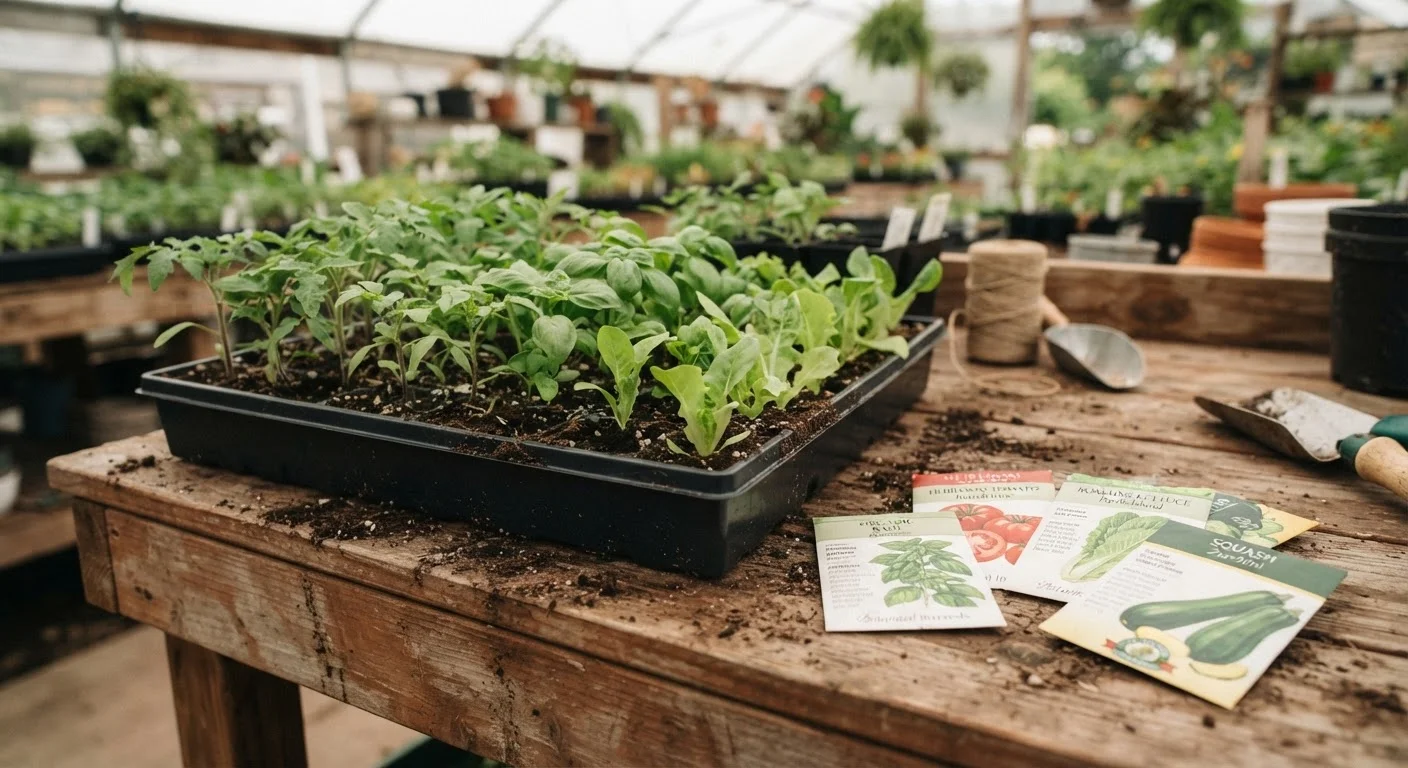
Photo: InsightsVault.com | Interesting Daily Reads editorial
Key Takeaways
- A single packet of seeds typically costs $2-$5 and can yield dozens of plants; one transplant often costs $3-$6 or more.
- Seed starting requires upfront investment in trays, soil mix, and light - costs that erode savings if you only grow a few plants.
- Transplants make economic sense for slow-maturing crops, short-season climates, or when indoor setup isn't available.
- Some crops - like carrots, beans, and direct-sown greens - rarely benefit from transplanting and are almost always cheaper from seed.
- Your true cost comparison should include time, equipment, electricity for grow lights, and the risk of failed germination.
The Real Cost Gap Between Seeds and Transplants
On paper, seeds win on price almost every time. A packet containing 50-200 seeds commonly retails for $2-$5, while a single six-pack of transplants at a garden center frequently runs $8-$15 - meaning you may pay $1.50-$3 per plant before you've even touched soil. For gardeners planting entire rows of tomatoes, peppers, or herbs, that gap compounds quickly.
But the seed-starting math isn't that clean. To germinate seeds indoors, you'll typically need seedling trays, a quality seed-starting mix, supplemental grow lights (or a very reliable south-facing window), and a heat mat for warm-season crops. A basic grow-light setup can cost $40-$100. If you're starting seeds for the first time and only growing a dozen plants, the cost-per-plant from seed can actually exceed what you'd pay for transplants that season - though in subsequent years those fixed costs are already paid.
This is why common gardening budget leaks often include seed-starting equipment bought for a handful of plants and never fully utilized. Scale matters: the more plants you grow, the faster seeds overtake transplants on value.
| Criterion | Growing from Seed | Buying Transplants |
|---|---|---|
| Typical cost per plant | $0.05-$0.30 | $1.50-$4.00+ |
| Upfront equipment needed | Trays, lights, heat mat, mix | None beyond basic garden tools |
| Variety selection | Hundreds of varieties available | Limited to nursery stock |
| Time to outdoor planting | 6-10 weeks of indoor care | Plant out immediately |
| Risk level | Germination failure possible | Lower risk, established plants |
| Best scale | High volume (10+ plants per crop) | Low volume (1-5 plants per crop) |
| Crop suitability | All crops, especially direct-sown | Long-season crops only |
When Transplants Are Worth Every Penny
There are situations where buying transplants is not just convenient - it's genuinely the smarter financial decision.
Short growing seasons: In USDA hardiness zones 3-5, tomatoes, peppers, and eggplant must go in the ground as established plants to have any hope of maturing before frost. Starting them from seed requires 8-10 weeks of indoor care. If you lack that infrastructure, a nursery transplant gets you a viable crop you couldn't otherwise grow.
Low-volume planting: If your container or raised bed setup only accommodates two or three tomato plants, buying those three as transplants avoids the overhead of starting 20 seeds to ensure three survivors.
After a failed seed start: Germination failures happen - old seed stock, insufficient warmth, or damping-off fungus can wipe out an entire tray. If the outdoor planting window is closing, transplants are a practical rescue option rather than losing the season entirely.
Perennials Follow Different Economics
It's also worth noting that some crops are simply difficult to transplant successfully: root vegetables like carrots and beets, and legumes like beans and peas, resent root disturbance and are almost universally better sown directly into the ground. Buying seedling transplants for these crops rarely makes sense regardless of season or scale.
Crops That Almost Always Favor Seeds
Certain plants are so easy, fast, or unsuitable for transplanting that buying them as seedlings is nearly always a financial misstep. Salad greens, radishes, carrots, beets, beans, peas, and most herbs (cilantro, dill, fennel) germinate quickly in garden soil and cost pennies per plant from seed. Buying them as transplants typically means paying a significant premium for no meaningful time advantage.
Annual flowers - zinnias, sunflowers, cosmos - also fall into this category. Direct-sowing these in late spring takes minutes and produces vigorous plants within weeks, often outperforming indoor-started seedlings that may have grown leggy under artificial light.
For any crop you plan to grow year after year, seed saving pushes the economics even further in seeds' favor - reducing your annual seed cost to near zero once you've established reliable open-pollinated or heirloom varieties in your garden.
Part of a genuinely frugal approach is knowing which transplants add real value and which are simply convenient impulse buys. The complete frugal gardening framework treats transplant purchases selectively, not reflexively.
10-50x
Seed vs. transplant cost per plant
Depending on crop and supplier, a seed-grown plant commonly costs a fraction of a nursery transplant of the same variety at comparable quantities.
6-10 weeks
Indoor lead time for warm-season crops
Tomatoes and peppers typically require this amount of indoor growth before they're ready to transplant outdoors, making timing a key factor in the decision.
$40-$100
Typical starter grow-light cost
A basic LED grow-light panel suitable for seed starting generally falls in this range, a fixed cost that only pays off when starting many plants annually.
The content provided on our blog site traverses numerous categories, offering readers valuable and practical information. Readers can use the editorial team’s research and data to gain more insights into their topics of interest. However, they are requested not to treat the articles as conclusive. The website team cannot be held responsible for differences in data or inaccuracies found across other platforms. Please also note that the site might also miss out on various schemes and offers available that the readers may find more beneficial than the ones we cover.