
What 'Perennial' Actually Means for Your Long-Term Garden Budget

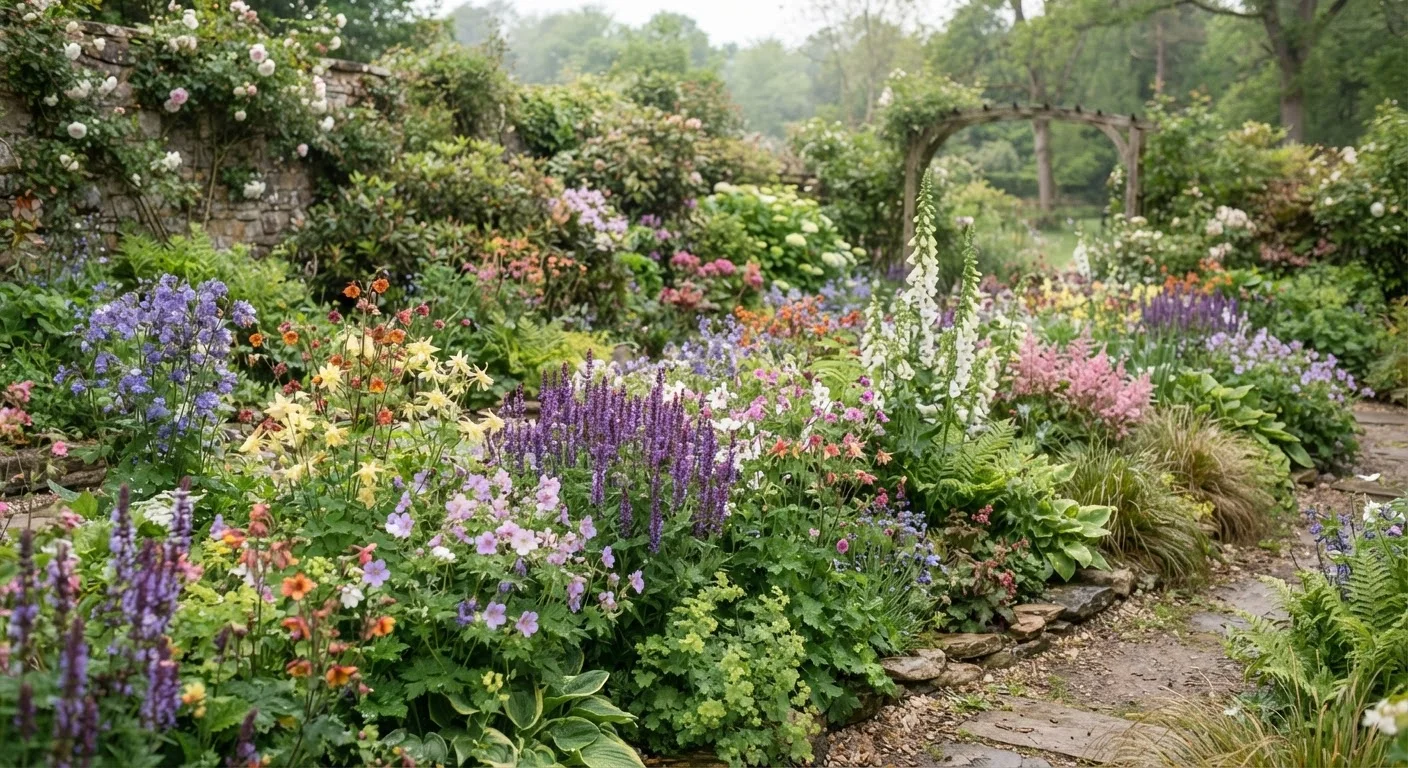
Photo: InsightsVault.com | Interesting Daily Reads editorial
Key Takeaways
- Perennials cost more upfront than annuals but can eliminate replanting costs over multiple years.
- Many perennials take two to three years to establish and deliver their best performance.
- Division - splitting mature clumps - is the primary way perennials multiply your investment for free.
- Not all perennials survive every climate zone; buying the wrong one wastes money entirely.
- A mixed strategy of perennials plus low-cost annuals often delivers the best value per season.
The Financial Logic Behind Perennials
When gardeners talk about perennials being the 'smart money' choice, they're referring to a simple premise: pay once, harvest the benefit for years. A $12 coneflower bought this spring can theoretically occupy that bed - and expand into neighboring spots - for a decade with no additional purchase. Compare that to spending $3-$5 on annual flower packs every single season.
But that logic only holds when the math actually works out. The break-even point depends on the plant's survival rate in your specific climate, how quickly it establishes, and whether you actively divide it to maximize spread. Understanding what 'perennial' truly means - financially, not just botanically - helps you make planting decisions that actually reduce your garden budget rather than quietly inflating it.
This is part of a broader frugal gardening approach that balances upfront cost against multi-season value.
3-5 yrs
Typical time before perennials need division
Most clump-forming perennials reach division size within three to five growing seasons, at which point one plant can yield two to four new starts at no cost.
Year 2-3
When most perennials reach full performance
The common gardening guideline 'sleep, creep, leap' reflects that herbaceous perennials rarely bloom at full capacity until their second or third season in the ground.
$3-$5
Typical annual six-pack price (flowers)
Common annual flower six-packs typically retail in this range per purchase - a recurring seasonal cost that perennials are designed to eventually replace.
The Hidden Costs Most Gardeners Overlook
Perennials carry costs that don't show up on the nursery price tag. First, establishment: most herbaceous perennials spend their first year developing root systems rather than putting energy into flowers. You may water, fertilize, and tend a plant that produces little visible return in year one. Second, hardiness zone mismatches are expensive mistakes - a plant rated for USDA Zone 7 planted in Zone 5 will likely die over winter, making it functionally an annual at a perennial's price.
Soil preparation also matters more with perennials than annuals. Because you're asking a plant to live in the same spot for years, investing in proper drainage, pH, and organic matter at planting time is worth the effort - but it adds to the real cost. Skipping this step often leads to underperforming or failing plants. For more on where garden spending tends to leak, see our article on expensive gardening habits.
Check Your Hardiness Zone Before Buying
Division: Where the Real Savings Come From
The financial payoff of perennials isn't just that they return each year - it's that they multiply. Most clump-forming perennials benefit from division every three to five years: digging up the root mass and splitting it into sections, each replanted separately. A single $14 hosta can become four plants within a few seasons, effectively reducing your per-plant cost to around $3.50 - competitive with or cheaper than many annuals.
Division also improves plant health, encouraging more vigorous growth and better flowering. The divisions can fill gaps in your beds, be potted up and offered to neighbors, or used to start entirely new garden areas without spending a dollar at the nursery. This compounding effect is what makes perennials a genuinely strong long-term value - but only if you actually practice division rather than letting plants become overcrowded and declining.
This mirrors the broader principle covered in spending more upfront to save over time - the savings are real, but they require active management to materialize.
Building a Smarter Mixed Planting Strategy
Few budget-conscious gardeners rely exclusively on perennials. Annuals offer dense color, immediate impact, and flexibility to change your garden's look each year - none of which perennials reliably deliver. The practical approach is a mixed strategy: use perennials as the structural backbone of beds (they define shape and provide reliable returning coverage), then fill gaps and add seasonal color with low-cost annuals from seed.
This hybrid model lets perennials do the long-term financial heavy lifting while annuals fill the visual gaps in years when your perennials are still establishing. As your perennial collection matures and expands through division, you can gradually reduce annual spending - transitioning toward a garden that largely sustains itself season to season.
Whatever planting approach you take, be wary of costly trends. Not every plant marketed as a 'must-have' perennial justifies its premium price. Our guide to separating useful practices from expensive gardening trends applies the same critical lens to inputs and techniques.
Frequently Asked Questions
The content provided on our blog site traverses numerous categories, offering readers valuable and practical information. Readers can use the editorial team’s research and data to gain more insights into their topics of interest. However, they are requested not to treat the articles as conclusive. The website team cannot be held responsible for differences in data or inaccuracies found across other platforms. Please also note that the site might also miss out on various schemes and offers available that the readers may find more beneficial than the ones we cover.