
The Pros and Cons of Doing All Your Shopping Online

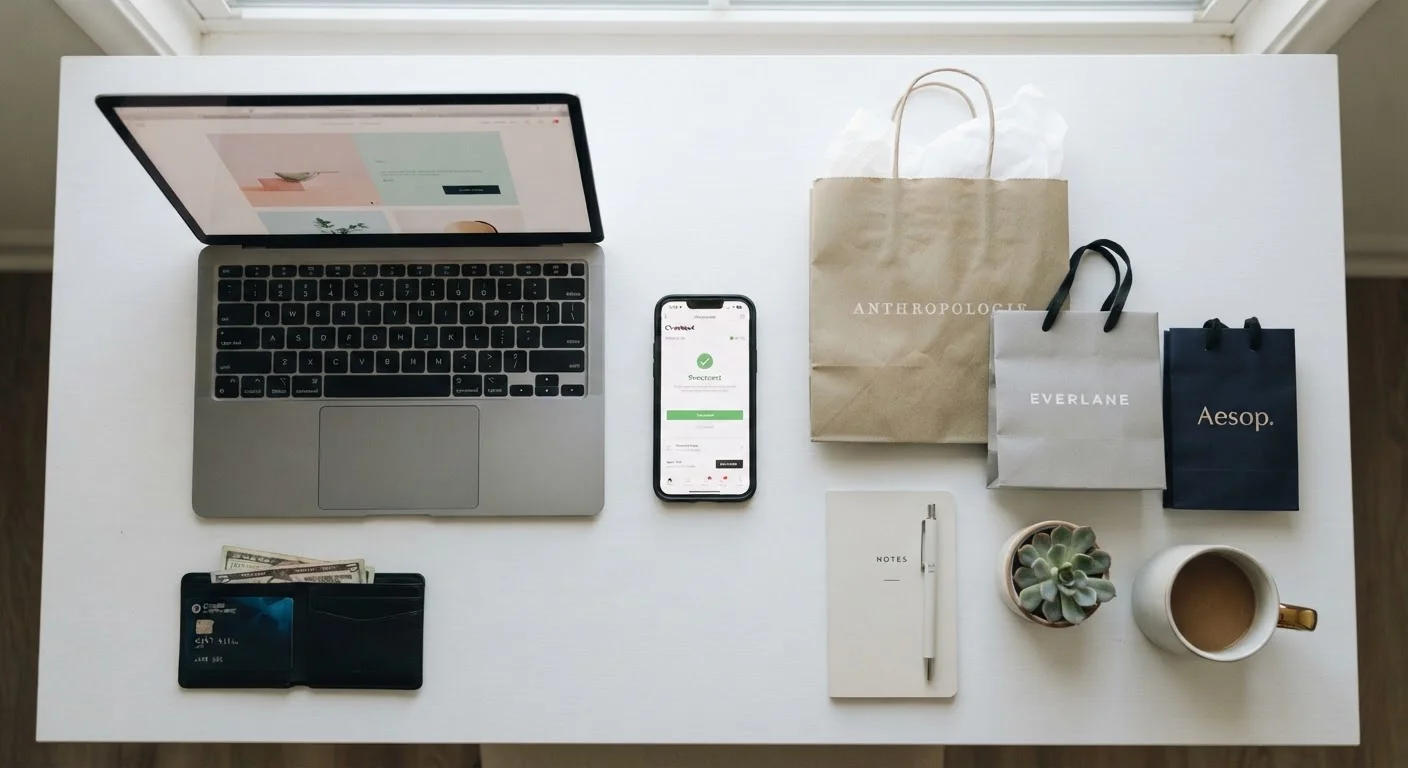
Photo: InsightsVault.com | Interesting Daily Reads editorial
Key Takeaways
- Online shopping offers unmatched price comparison and 24/7 convenience, but shipping fees can erode savings.
- Sizing, fit, and product quality are harder to judge without handling items in person.
- Impulse buying and return friction are documented downsides of shopping exclusively online.
- A hybrid approach - using both channels strategically - typically delivers the most value.
Compare prices across dozens of retailers instantly
Online tools and browser extensions allow real-time price tracking across multiple sellers. This removes the legwork of physically visiting stores to find competitive pricing.
Shop any time without store hours or travel
Online retail operates around your schedule. For people with demanding jobs, caregiving duties, or limited mobility, this flexibility has tangible practical value.
Access to a wider product selection
Physical stores are constrained by shelf space and regional inventory. Online, you can find niche sizes, discontinued items, and specialty products that local stores simply don't stock.
Easier to apply promo codes and coupons
Digital coupons, browser extensions, and retailer loyalty programs integrate directly into the checkout process online. Stacking discounts is faster and more systematic than in-store coupon use.
Avoid impulse purchases from in-store marketing
Strategic store layouts and in-aisle promotions are designed to trigger unplanned spending. Shopping from a list online can reduce exposure to these tactics - though online platforms have their own.
Shipping fees and minimums reduce savings
Free shipping thresholds often push shoppers to spend more than planned to qualify. Expedited shipping adds costs that can exceed any price advantage gained by shopping online.
Sizing and fit are difficult to assess remotely
Clothing, footwear, and furniture are notoriously hard to buy correctly online. Inconsistent sizing across brands leads to frequent returns, which carry their own time and cost burdens.
Returns can be costly and inconvenient
Many retailers have moved to paid return labels or restocking fees. Processing a return also requires packaging, drop-off, and waiting - factors rarely considered at time of purchase.
Online platforms are designed to encourage overspending
Recommendation algorithms, scarcity messaging, and seamless one-click purchasing are tools designed to increase cart size. Shoppers who browse without a defined list often spend more than intended.
No ability to assess product quality firsthand
Product photos and descriptions are curated by sellers. For items where material, weight, or finish matters - furniture, kitchenware, tools - the actual product often differs from expectations.
Delivery delays and fulfillment errors create friction
Even reliable carriers experience delays. When you need something on a specific timeline, online ordering carries inherent uncertainty that in-store purchase eliminates entirely.
What 'Shopping Exclusively Online' Actually Means
For most people, online shopping is already the default for certain categories - books, electronics, software. But shifting all purchasing online is a different commitment. It means no grocery runs, no trying on clothes in a fitting room, no picking up a birthday gift on the way to the party.
Understanding what you're giving up - and what you're gaining - requires looking at specific categories and behaviors rather than making a blanket judgment. The calculus changes depending on what you buy, how often, and how important speed or tactile experience is to your decision. See our side-by-side channel comparison for a fuller breakdown of how these two approaches stack up across key dimensions.
The Real Advantages
Online shopping's benefits are well-documented and genuine - but they're concentrated in specific situations.
Compare prices across dozens of retailers instantly
Online tools and browser extensions allow real-time price tracking across multiple sellers. This removes the legwork of physically visiting stores to find competitive pricing.
Shop any time without store hours or travel
Online retail operates around your schedule. For people with demanding jobs, caregiving duties, or limited mobility, this flexibility has tangible practical value.
Access to a wider product selection
Physical stores are constrained by shelf space and regional inventory. Online, you can find niche sizes, discontinued items, and specialty products that local stores simply don't stock.
Easier to apply promo codes and coupons
Digital coupons, browser extensions, and retailer loyalty programs integrate directly into the checkout process online. Stacking discounts is faster and more systematic than in-store coupon use.
Avoid impulse purchases from in-store marketing
Strategic store layouts and in-aisle promotions are designed to trigger unplanned spending. Shopping from a list online can reduce exposure to these tactics - though online platforms have their own.
~22%
US retail sales conducted online
According to U.S. Census Bureau data, e-commerce accounted for roughly 22% of total retail sales in recent years, indicating significant but not dominant online penetration.
30%
Average online return rate for apparel
Industry estimates suggest apparel return rates online can reach 30% or higher, compared to significantly lower rates for in-store purchases where customers can try items on.
Price comparison is arguably the strongest case for online shopping. Switching between retailers to compare prices takes seconds online; in-store, it requires driving. That friction alone is worth something. Digital-only retailers also tend to have lower overhead, which can translate to lower shelf prices on commodities - though as this breakdown of online savings myths explains, that assumption doesn't hold universally.
Convenience compounds over time. No parking, no queuing, no adjusted hours. For people with mobility limitations, irregular schedules, or limited local retail options, online-only shopping can be genuinely more practical.
The Real Disadvantages
The downsides of going fully online aren't just minor inconveniences - several can directly affect your wallet.
Shipping fees and minimums reduce savings
Free shipping thresholds often push shoppers to spend more than planned to qualify. Expedited shipping adds costs that can exceed any price advantage gained by shopping online.
Sizing and fit are difficult to assess remotely
Clothing, footwear, and furniture are notoriously hard to buy correctly online. Inconsistent sizing across brands leads to frequent returns, which carry their own time and cost burdens.
Returns can be costly and inconvenient
Many retailers have moved to paid return labels or restocking fees. Processing a return also requires packaging, drop-off, and waiting - factors rarely considered at time of purchase.
Online platforms are designed to encourage overspending
Recommendation algorithms, scarcity messaging, and seamless one-click purchasing are tools designed to increase cart size. Shoppers who browse without a defined list often spend more than intended.
No ability to assess product quality firsthand
Product photos and descriptions are curated by sellers. For items where material, weight, or finish matters - furniture, kitchenware, tools - the actual product often differs from expectations.
Delivery delays and fulfillment errors create friction
Even reliable carriers experience delays. When you need something on a specific timeline, online ordering carries inherent uncertainty that in-store purchase eliminates entirely.
Delivery Options Can Affect the Math
Return friction is a real cost. Many online retailers have tightened return windows and shifted return shipping costs to consumers. If you buy clothing or footwear online frequently, the cumulative cost of returns - in time and sometimes money - can be significant. Some categories genuinely cost less or go smoother in person, particularly groceries, furniture, and prescription eyewear.
Impulse purchases are also structurally encouraged by online platforms. Algorithmic recommendations, one-click purchasing, and endless scroll create conditions that increase unplanned spending - a dynamic that rarely works in the shopper's favor.
When the Trade-Off Is Worth It
Going primarily or fully online makes financial sense for buyers who are purchasing standardized, well-specified goods - where the product is the same regardless of where it ships from. Think: USB cables, cleaning supplies, pet food, printer ink. These are categories where price comparison directly translates to savings and returns are rare.
It makes less sense for items where fit, freshness, or immediate availability matters. For bigger-ticket purchases where you're new to buying online, this guide to first-time big-ticket online purchases walks through key risks to manage. And for those who want to understand what actually drives price differences between channels, the answer is more nuanced than most assume.
If you're not ready to commit fully to one channel, blending both approaches strategically tends to deliver the best overall value for most households.
The content provided on our blog site traverses numerous categories, offering readers valuable and practical information. Readers can use the editorial team’s research and data to gain more insights into their topics of interest. However, they are requested not to treat the articles as conclusive. The website team cannot be held responsible for differences in data or inaccuracies found across other platforms. Please also note that the site might also miss out on various schemes and offers available that the readers may find more beneficial than the ones we cover.