
Bulk Buying Pet Supplies: When It Saves Money and When It Doesn't

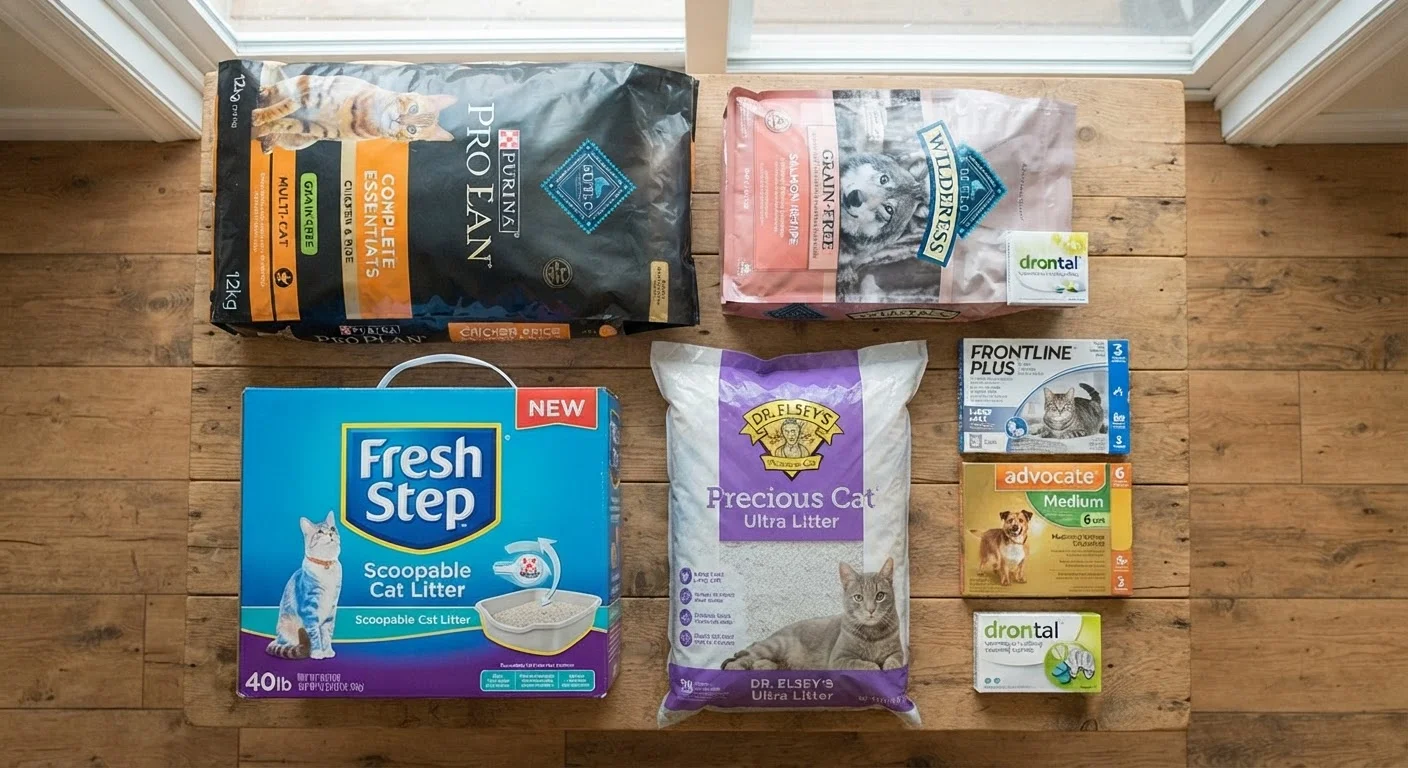
Photo: InsightsVault.com | Interesting Daily Reads editorial
Key Takeaways
- Shelf-stable, frequently used supplies like litter and dry food are generally good bulk candidates.
- Perishable or diet-sensitive items can spoil or become useless if bought in excess.
- Unit price - not pack price - is the number that determines actual savings.
- Storage space and your pet's health stability affect whether bulk buying works in practice.
- Flea and parasite treatments have expiration dates that make large stockpiles risky.
Lower per-unit cost on high-turnover stable items
Clumping litter, waste bags, and dry kibble typically cost less per unit in larger quantities, making regular repurchases genuinely cheaper over time.
Fewer shopping trips and delivery fees
Buying in bulk reduces reorder frequency, which can lower shipping costs for online orders and save time for in-store shoppers.
Protection against short-term price increases
Stocking a moderate supply of shelf-stable items means short-term retail price spikes affect you less if you already have inventory on hand.
Consistent supply for pets on routine diets
Pets on a stable diet benefit from consistent food access; running out and substituting can cause digestive upset, so having a buffer supply has practical health value.
Perishable items can spoil before use
Wet food, raw diets, and even opened dry food have limited shelf lives. Overbuying leads to waste that erases any per-unit savings.
Pet preferences or health needs may change
A diet change prescribed by a vet, or a pet who simply stops eating a food, can leave you with a large, unusable supply - a common and costly mistake.
Expiration limits usefulness of medications and treatments
Flea preventives and other treatments lose efficacy after expiration. Buying a year's supply when your pet only needs six months' worth is money lost.
Storage requirements add hidden costs or risks
Bulk pet food requires airtight containers and appropriate conditions; poor storage accelerates spoilage and can attract pests.
Upfront cost strains monthly cash flow
A large initial outlay can create budget pressure even when the per-unit math is favorable, making the savings theoretical rather than practical.
The Core Logic: When Bulk Buying Works at All
Bulk buying saves money on a simple condition: you use the product before it degrades, and the unit price is genuinely lower than buying smaller quantities. Both conditions have to hold simultaneously. Miss either one and you're not saving - you're pre-spending.
For pet owners, the math is similar to household bulk buying, with one complication: pet needs can change faster than human needs. A dog diagnosed with kidney disease, a cat who develops a food sensitivity, or a pet who simply refuses a new formula can leave you holding a 40-lb bag of food your animal won't touch. That risk doesn't disappear with a good deal.
The smartest approach is category-specific thinking. Comparing unit prices rather than pack prices is the baseline skill - a larger bag isn't always the cheaper option per ounce once you factor in retailer pricing strategies.
Lower per-unit cost on high-turnover stable items
Clumping litter, waste bags, and dry kibble typically cost less per unit in larger quantities, making regular repurchases genuinely cheaper over time.
Fewer shopping trips and delivery fees
Buying in bulk reduces reorder frequency, which can lower shipping costs for online orders and save time for in-store shoppers.
Protection against short-term price increases
Stocking a moderate supply of shelf-stable items means short-term retail price spikes affect you less if you already have inventory on hand.
Consistent supply for pets on routine diets
Pets on a stable diet benefit from consistent food access; running out and substituting can cause digestive upset, so having a buffer supply has practical health value.
What's Generally Worth Buying in Bulk
Clumping litter is one of the clearest wins. It's shelf-stable indefinitely when kept dry, most cats aren't particularly brand-sensitive once acclimated, and households go through it at a predictable rate. Larger containers routinely carry a lower per-pound cost.
Dry kibble can work well if your pet is on a stable, long-term diet. An unopened bag of dry food typically stays fresh until its printed best-by date (commonly 12-18 months), though once opened, most manufacturers recommend using it within 4-6 weeks for optimal freshness. Buying two bags at once - rather than a year's supply - is a reasonable compromise. See our overview of dry food cost trade-offs for context on how kibble compares to other feeding approaches.
Waste bags, paper towels, and grooming consumables (cotton pads, ear cleaning supplies) are high-turnover, shelf-stable, and not subject to your pet's preferences. These are low-risk bulk items.
Perishable items can spoil before use
Wet food, raw diets, and even opened dry food have limited shelf lives. Overbuying leads to waste that erases any per-unit savings.
Pet preferences or health needs may change
A diet change prescribed by a vet, or a pet who simply stops eating a food, can leave you with a large, unusable supply - a common and costly mistake.
Expiration limits usefulness of medications and treatments
Flea preventives and other treatments lose efficacy after expiration. Buying a year's supply when your pet only needs six months' worth is money lost.
Storage requirements add hidden costs or risks
Bulk pet food requires airtight containers and appropriate conditions; poor storage accelerates spoilage and can attract pests.
Upfront cost strains monthly cash flow
A large initial outlay can create budget pressure even when the per-unit math is favorable, making the savings theoretical rather than practical.
Where Bulk Buying Tends to Backfire
Wet food presents real spoilage risk once opened, and even sealed cans eventually expire. Dogs and cats can also develop aversions to textures or flavors, making large quantities of a single variety a gamble.
Prescription medications and flea treatments are governed by expiration dates and, in many cases, require ongoing veterinary authorization. Stocking more than a few months' supply of a flea preventive means the later doses may lose potency before use. If your pet's prescription changes - which happens with senior pets especially - unused medication is wasted money. The generic vs. brand-name medication guide covers how to think about medication costs without over-purchasing.
Specialty or novel protein foods prescribed for allergy management should not be bulk-purchased until you've confirmed your pet tolerates and accepts the formula - typically after a full dietary trial period, which your veterinarian can advise on.
Prescription Items Require Extra Caution
For a broader look at where pet spending tends to go wrong, our piece on stretching your pet care budget covers the full picture.
Practical Rules Before You Buy in Bulk
Run through these checks before committing to any large-quantity purchase:
- Calculate true unit price. Divide total cost by unit count (ounces, doses, bags). Don't assume the larger size is cheaper - it isn't always.
- Check the expiration date and estimate whether you'll realistically use the product before then.
- Assess storage conditions. Dry pet food exposed to humidity or heat degrades faster. Litter stored in a damp garage can clump prematurely.
- Confirm your pet is stable on the product. New food, a recently changed prescription, or a pet with shifting health needs is a signal to wait before buying large.
- Factor in cash flow. Bulk buying ties up money upfront. If that creates strain on your monthly budget, the per-unit savings may not be worth it in practice.
The real trade-offs of buying in bulk explores how these dynamics play out across household categories, which adds useful context here.
4-6 weeks
Recommended use window for opened dry pet food
Most pet food manufacturers recommend consuming opened dry kibble within 4-6 weeks to preserve freshness and nutritional quality.
12-18 months
Typical sealed dry food shelf life
Unopened dry pet food generally carries a best-by date of 12-18 months from manufacture, though storage conditions significantly affect actual shelf life.
The content provided on our blog site traverses numerous categories, offering readers valuable and practical information. Readers can use the editorial team’s research and data to gain more insights into their topics of interest. However, they are requested not to treat the articles as conclusive. The website team cannot be held responsible for differences in data or inaccuracies found across other platforms. Please also note that the site might also miss out on various schemes and offers available that the readers may find more beneficial than the ones we cover.