
Seasonal Pricing Patterns Every Shopper Should Understand

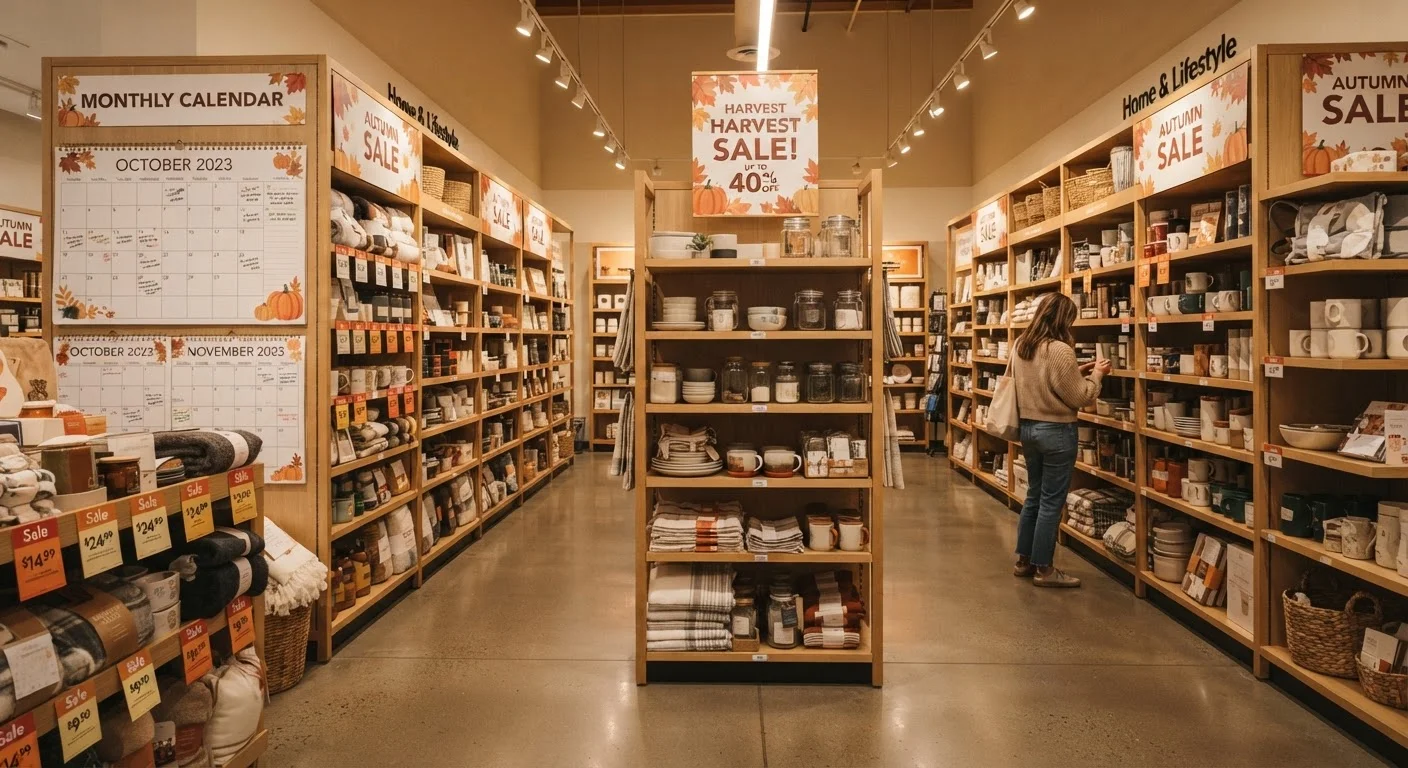
Photo: InsightsVault.com | Interesting Daily Reads editorial
Why Retail Prices Are Not Random
Most shoppers treat price fluctuations as unpredictable. They aren't. Retailers operate on tightly managed inventory cycles tied to seasons, model-year rollouts, and promotional calendars. Understanding those cycles is one of the most practical tools a budget-conscious shopper has.
The core logic is straightforward: retailers need to move old inventory before new stock arrives. That pressure creates predictable windows where prices drop - not because of a retailer's generosity, but because of the math of shelf space and cash flow. Recognizing those windows in advance lets you shift from reactive buying to deliberate timing.
This connects closely to where you shop, since channel choice amplifies or limits your ability to act on these patterns. See also how dynamic pricing online can work against you if you're not paying attention.
Category-by-Category Pricing Calendars
Appliances
Major appliances - refrigerators, washers, dryers, ranges - follow a clear pattern. New models typically arrive in fall, which pushes prior-year inventory into discount territory during September and October. Holiday weekends (Memorial Day, Labor Day) are also reliable windows, when retailers use appliances as traffic drivers. Avoid buying appliances in spring or early summer when demand is high and supply is fresh.
Clothing and Apparel
Apparel runs on two main clearance cycles: January for winter merchandise and July for summer stock. Retailers are under pressure to clear seasonal inventory before the next season's shipments arrive. Shopping in the first two weeks of these clearance months typically means the widest selection at reduced prices; waiting further into the month means deeper discounts but fewer sizes. Stacking coupons or rewards during clearance can extend savings further.
Electronics
November brings the year's heaviest electronics promotions. However, January often produces the lowest average prices on televisions specifically, as post-holiday overstock coincides with new models announced at major industry trade shows. Laptops and tablets frequently see price reductions in August and September as back-to-school promotions wind down. Price gaps between channels are especially wide in electronics - worth verifying before purchase.
Furniture
Furniture follows a twice-yearly pattern. February is historically slow for retailers, and manufacturers introduce new lines in late winter, making it a reliable discount window. August serves a similar function. Buying furniture during these months - rather than during spring home-improvement season - can mean meaningfully lower prices on identical pieces.
Applying These Patterns Without Overpaying or Over-Waiting
Seasonal pricing knowledge is useful only if it changes actual behavior. A few practical principles help:
- Define your need timeline first. If an appliance is failing now, waiting four months for a clearance window carries real costs. Set a flexible purchase window only when urgency is genuinely low.
- Track a price before the sale, not during it. Retailers sometimes inflate pre-sale reference prices. Checking a product's price history over several weeks gives you a true baseline. Several free browser tools can track price history on major retail sites - look for extensions that overlay historical data on product pages.
- Use price-match policies as a bridge. If a retailer's seasonal sale hasn't started yet but a competitor is already discounting, price-match policies let you capture early discounts without waiting or switching stores.
- Avoid peak-demand windows for non-urgent purchases. Buying an air conditioner during a heat wave or a snowblower after the first storm of the season means paying top dollar. Off-season purchases for these items can produce significant savings.
The same logic that applies to goods applies to services and experiences. Accommodation pricing follows nearly identical seasonal demand curves - and even produce prices at the grocery store track seasonal supply patterns worth knowing.
This article is for general informational purposes only. Specific pricing, discounts, and retail practices vary by retailer, region, and market conditions. Verify current prices and policies directly with retailers before making purchasing decisions.
The content provided on our blog site traverses numerous categories, offering readers valuable and practical information. Readers can use the editorial team’s research and data to gain more insights into their topics of interest. However, they are requested not to treat the articles as conclusive. The website team cannot be held responsible for differences in data or inaccuracies found across other platforms. Please also note that the site might also miss out on various schemes and offers available that the readers may find more beneficial than the ones we cover.