
Scheduled Servicing vs. Reactive Repairs: What Each Really Costs

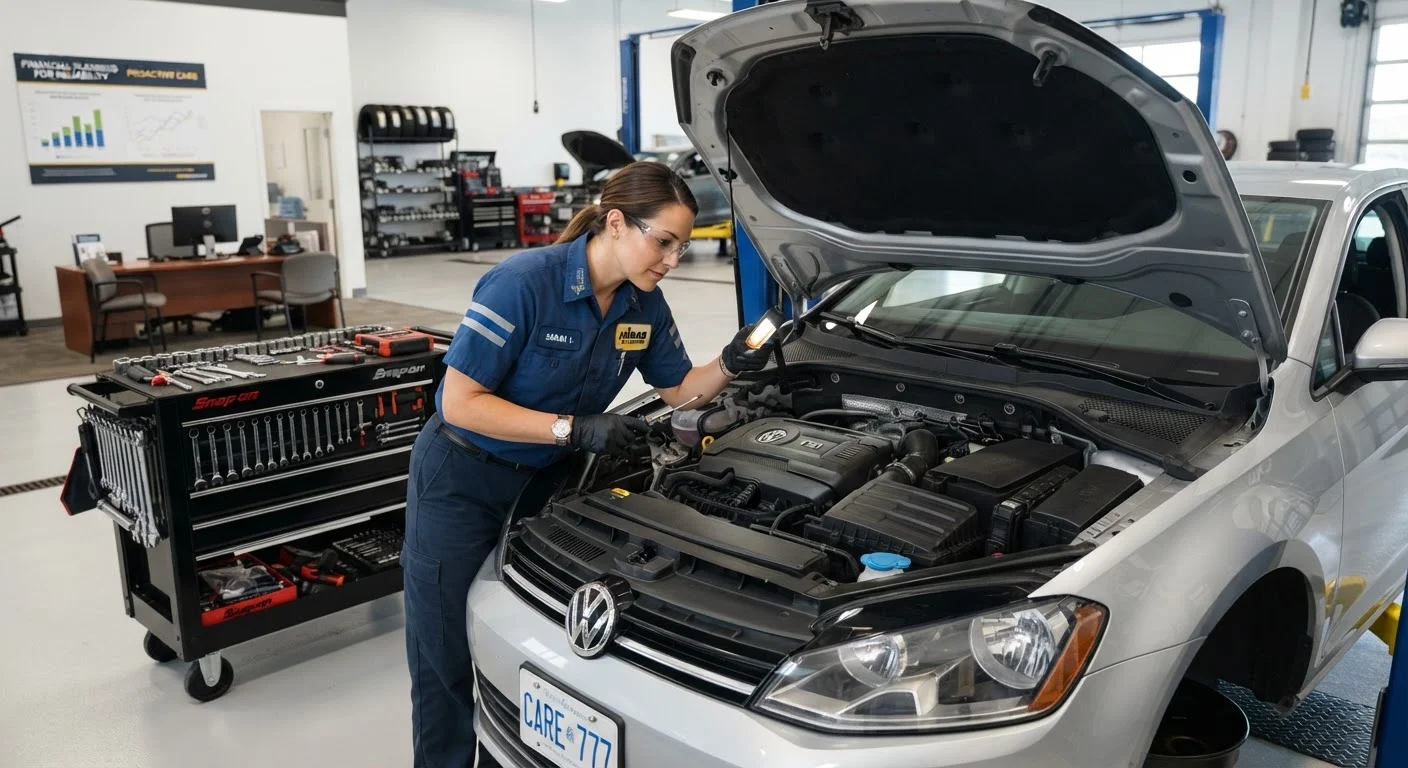
Photo: InsightsVault.com | Interesting Daily Reads editorial
Key Takeaways
- Scheduled servicing costs are predictable and typically lower on an annual basis than emergency repairs.
- Reactive repairs often cost several times more than the maintenance that could have prevented them.
- Deferred maintenance accelerates wear on connected components, multiplying the eventual repair bill.
- A maintained vehicle retains higher resale value than one with a patchy or missing service history.
- Both strategies carry real costs - the key difference is control and financial predictability.
What Each Approach Actually Involves
Scheduled servicing follows the maintenance intervals set by your vehicle's manufacturer - typically covering oil and filter changes, tyre rotation, brake inspection, fluid top-ups, and component checks at defined mileage or time intervals. The goal is to replace parts before they fail and catch developing problems early. Costs are structured and anticipated: you can plan for them because they arrive on a known schedule.
Reactive repairs, by contrast, happen after something breaks down or degrades to the point of malfunction. There's no planning involved - the car tells you it's time through a warning light, a strange noise, or a roadside breakdown. The repair itself may be straightforward, but the circumstances rarely are: tow costs, rental cars, and rushed decision-making all add to the bill. For a fuller picture of what deferred maintenance adds up to, see the real cost of skipping routine car maintenance.
Side-by-Side Cost Comparison
The numbers tell a clear story when you compare typical costs directly. Routine maintenance items are relatively inexpensive individually; it's only when they're skipped that costs escalate sharply.
| Criterion | Scheduled Servicing | Reactive Repairs |
|---|---|---|
| Oil change (typical range) | $35-$100 routine | $200-$8,000+ if engine damaged |
| Brake pad replacement | $150-$300 per axle | $400-$700+ with rotor damage |
| Timing belt service | $200-$500 scheduled | $1,500-$4,000+ if belt snaps |
| Coolant flush | $80-$150 routine | $1,500-$2,500+ for head gasket repair |
| Cost predictability | High - planned intervals | Low - unpredictable timing |
| Resale value impact | Positive - documented history | Negative - gaps raise buyer concern |
| Risk of secondary damage | Low - issues caught early | High - failures cascade |
The figures above are general ranges based on industry labor benchmarks and parts pricing data - actual costs vary by vehicle make, model, region, and shop. For help understanding why quotes differ from online estimates, see why your mechanic's quote may look different from what you expected.
The Compounding Cost Problem
One of the least visible financial risks of reactive repairs is how failures cascade. A worn timing belt that snaps, for example, can bend engine valves and damage pistons - turning a $200-$500 belt replacement into a repair costing several thousand dollars. Similarly, low coolant left unaddressed can lead to overheating and head gasket failure, a repair that can run $1,500-$2,000 or more depending on the engine.
3-4x
Cost multiplier when maintenance is deferred
Industry repair data consistently shows that neglected maintenance items cost several times more to fix after failure than to replace on schedule.
$500-$600
Average annual scheduled maintenance cost
AAA estimates typical annual maintenance costs for a new vehicle at around $500-$600, covering routine service items across a 15,000-mile year.
35%
Of roadside breakdowns are maintenance-related
According to industry breakdowns analysis, a significant share of roadside assistance calls involve failures that routine servicing could have detected or prevented.
The pattern repeats across most vehicle systems: deferred brake pad replacement leads to rotor damage; neglected transmission fluid degrades clutch packs; ignored tyre wear creates uneven stress on suspension components. Each skipped service item doesn't just risk its own failure - it risks accelerating wear on everything connected to it. Preventive maintenance checks every car owner should know outlines the key items worth staying on top of.
Hidden Costs Beyond the Repair Invoice
Direct repair costs are only part of the picture. Reactive repairs carry a set of secondary expenses that scheduled servicing largely avoids:
- Towing fees: A breakdown away from home can cost $75-$200 or more depending on distance and provider.
- Rental or rideshare costs: While your car is in the shop for several days, alternative transportation adds up quickly.
- Emergency labor rates: Same-day or after-hours repairs often carry a premium over standard shop rates.
- Resale value loss: A vehicle without a consistent service record typically commands a lower price. Buyers and dealers discount for uncertainty.
If you're already facing a large repair bill, this guide to thinking through repairs that exceed your car's value can help you structure the decision. And for an overview of all the costs that build up across ownership, see the complete financial overview of car ownership and repair costs.
Maintenance Records Matter for More Than Reliability
Budgeting for Both: A Practical Framework
Even with the best maintenance habits, some reactive repairs are unavoidable - a cracked windshield, a puncture, or an aging sensor will eventually appear regardless of how diligently you service your car. The financially sound approach is to plan for both categories separately.
A common guideline for budgeting is to set aside 1-2% of your vehicle's current value annually for maintenance and a separate emergency fund of $500-$1,000 for unplanned repairs. Drivers of older, higher-mileage vehicles should lean toward the higher end. This won't eliminate surprises, but it reduces the sting considerably. For broader recurring cost management - including how fuel and insurance costs shift as a car ages - managing fuel and insurance costs across a car's lifetime offers useful context. Choosing where you get your servicing done also affects cost - dealer service centre vs. independent mechanic breaks down the trade-offs.
This article provides general financial information for educational purposes only and is not a substitute for advice tailored to your specific vehicle or financial situation. Costs cited are general ranges and will vary based on location, vehicle type, and service provider.
The content provided on our blog site traverses numerous categories, offering readers valuable and practical information. Readers can use the editorial team’s research and data to gain more insights into their topics of interest. However, they are requested not to treat the articles as conclusive. The website team cannot be held responsible for differences in data or inaccuracies found across other platforms. Please also note that the site might also miss out on various schemes and offers available that the readers may find more beneficial than the ones we cover.