
Seasonal Home Maintenance Checklist for DIY Homeowners

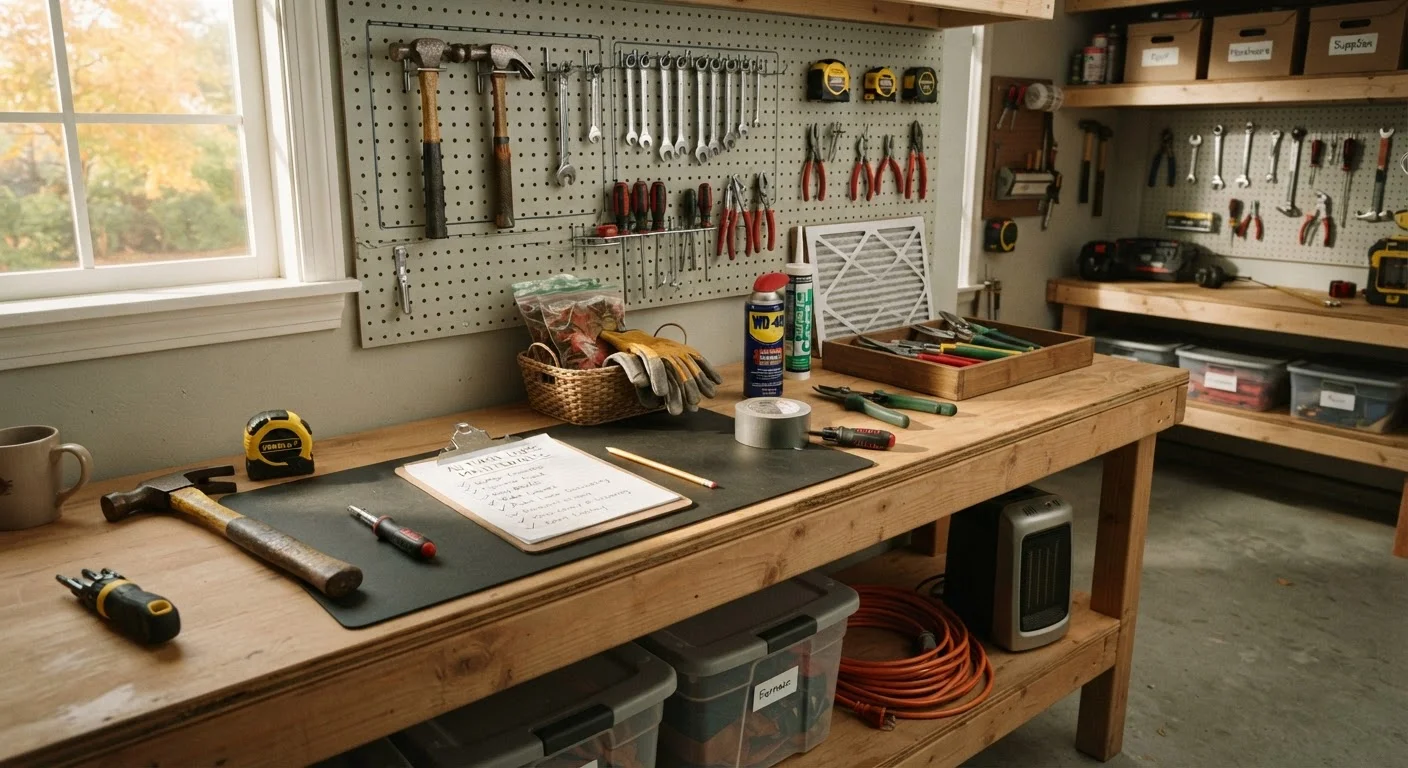
Photo: InsightsVault.com | Interesting Daily Reads editorial
Key Takeaways
- Catching small issues early - like a cracked caulk line or a clogged gutter - typically costs far less than emergency repairs.
- Most items on this checklist require basic hand tools and a few hours per season.
- Some tasks, especially those involving electrical panels, gas lines, or structural elements, require a licensed professional.
- Consistent seasonal checks protect both your home's value and your household budget over time.
Why Seasonal Maintenance Pays Off
Deferred maintenance is one of the most predictable ways a home budget gets blown. A small roof leak ignored through summer can mean mold remediation by fall. A failing door seal that goes unnoticed in autumn can push heating bills noticeably higher all winter. The goal of a seasonal checklist isn't perfection - it's catching the 80% of common issues before they compound.
This checklist is organized by season and covers the exterior, interior, and systems most likely to cause trouble. Items are flagged by priority. If you're new to hands-on repairs, our beginner-friendly DIY repair guide is a good companion resource. And if you want to go deeper on planning and execution, see our complete guide to DIY home repairs.
Know When to Call a Licensed Professional
Before starting any task involving your electrical panel, gas appliances, structural framing, or roofing, consult a licensed contractor. This checklist covers general maintenance inspection - not regulated or hazardous trade work. Always verify whether local permits or inspections are required before beginning a project.
Tools You'll Need
Most seasonal maintenance tasks require only basic equipment. Having these on hand before you start saves time and avoids mid-task hardware store runs. For a deeper breakdown of what each tool actually does, see our guide to essential hand tools for DIY homeowners.
Caulk gun and exterior caulk
Sealing gaps around windows, doors, and penetrations to prevent water and air infiltration.
Ladder (6-ft and/or extension)
Safely accessing gutters, eaves, exterior walls, and attic hatches.
Flashlight or headlamp
Inspecting attics, crawlspaces, basements, and dark corners of mechanical rooms.
Screwdriver set (flathead and Phillips)
Tightening loose hardware, adjusting door hinges, and opening access panels.
Utility knife
Cutting weatherstripping, trimming caulk beads, and general prep work.
Voltage tester (non-contact)
Confirming circuits are de-energized before inspecting outlets or switch covers - never work on live wiring.
Garden hose with spray nozzle
Testing downspout drainage and checking exterior hose bibs for leaks after winter.
Moisture meter
Detecting hidden dampness in walls, subfloors, or around window frames before visible damage appears.
The Seasonal Checklists
Work through each group at the start of the relevant season. Aim to complete the must items first - these address the issues most likely to cause damage or cost if delayed. Should items are strongly recommended when time allows. Nice-to-have items improve comfort and efficiency but can reasonably be deferred.
For energy-focused tasks like insulation, weatherstripping, and HVAC servicing, pair this checklist with our seasonal home energy checklist for a more complete picture. Outdoor spaces deserve their own audit too - our seasonal garden spending checklist covers the yard side of the equation.
Spring - Exterior & Water Management
Spring - Interior Systems
Summer - Weatherproofing & Exterior Upkeep
Fall - Cold-Weather Preparation
Winter - Interior Inspection & Safety
Document What You Find Each Season
Working Safely With DIY Materials
Many maintenance tasks involve caulk, paint, adhesives, or cleaning solvents. Improper handling is a common source of preventable harm - particularly in enclosed spaces with poor ventilation. Before working with any of these materials, review our guidance on safe handling of common DIY materials. If you encounter unfamiliar terminology in manufacturer instructions or contractor quotes, our homeowner's glossary of repair terms explains the most common jargon in plain language.
The content provided on our blog site traverses numerous categories, offering readers valuable and practical information. Readers can use the editorial team’s research and data to gain more insights into their topics of interest. However, they are requested not to treat the articles as conclusive. The website team cannot be held responsible for differences in data or inaccuracies found across other platforms. Please also note that the site might also miss out on various schemes and offers available that the readers may find more beneficial than the ones we cover.